
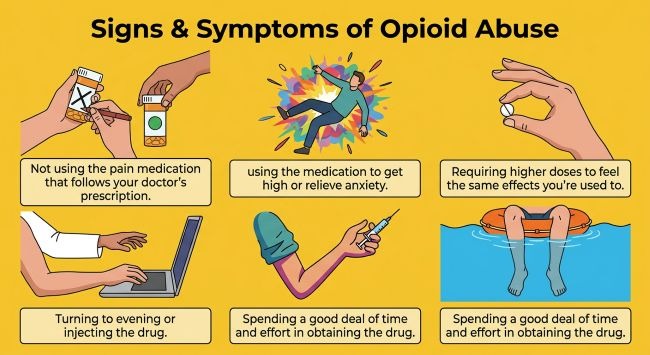
Opioids can be addictive to anybody, at any time, in any place, and in any form. Recognizing the signs and symptoms of opioid addiction is an important first step in recognizing the need for help and in preventing long-term physical, emotional and social harm. A lot of individuals start taking opioids formally by the doctor’s prescription to treat pain and eventually develop dependency. Others can be using illegal drugs, such as heroin or illegally produced fentanyl. Others may be using illegal drugs such as heroin or illegally produced fentanyl. Understand the early indicators of data theft and be able to respond to them to enhance treatment and recovery.
According to the Centers for Disease Control and Prevention (CDC), OUD is a chronic medical condition that can be treated with expert help and therapeutic and evidence-based treatments.
Key Takeaways
- Opiate use and addiction’s effects on brain function and behavior become cumulative over time.
- It is important to identify symptoms at an early age to increase possible recovery.
- Changes in physical, emotional and behavioral changes are possible.
- Long-term support, therapy and medication-assisted treatment are all a big part of professional treatment.
- The key point to keep in mind when you’ve got someone facing the oppression of opiates is to show compassion, not judgment.
The necessary advice is getting assistance at Solutions Healthcare
Understanding Opioid Addiction
Medications to help you feel better when you are in pain are called opioids. Some of the more common prescription opioids are oxycodone, hydrocodone, morphine and codeine. Heroin, crazy pills, or synthetic fentanyl are likewise heavily misused drugs.
They bind to the opioid receptors within the brain and produce opioid effects such as pain relief or euphoria. Repeated use over time may affect the brain chemistry so that a person can only function without the drug if they take it repeatedly.
Addiction is not a matter of a lack of willpower. It is a multifaceted condition with physical dependency, psychological dependency and cravings, emotional distress and behavioral changes. Familiarity with the symptoms of opioid dependence and detox will aid households and people in seeking treatment early as soon as it is possible.
100% Confidential Support is Available 24/7
No matter what you’re going through, you’re not alone. Our dedicated team is here to provide a safe, judgment-free space where you can talk openly and honestly. Whether you need emotional support, resources, or just someone to listen.
We’re here for you—completely confidential and always respectful of your privacy. Call us today!
Early Signs of Opioid Addiction
Opioid misuse is often not a big issue at the outset. For many individuals, it is a continuing process to work, attend school or keep their relationship while concealing their increasing need.
Early warning signs are:
- Using medicine more frequently than usual.
- Seeking opinions from many other physicians for prescription medication
- A higher tolerance; more medication is needed
- Excessive sleepiness or drowsiness
- Changes in mood or irritability
- Social Withdrawal from friends/Family
- Loss of motivation or productivity
- Excessive interest in drugs
Addicts tend to rationalize their actions. Family members might be conscious of changes prior to the person being aware of them.
Contact Solutions Healthcare
Battling with Drug and Alcohol Addition? Remember, you are not alone and we are here to help you!
Physical Signs and Symptoms of Opioid Addiction
There are often signs and symptoms that can be seen in the body from chronic opioid use. These physical symptoms can also change with the use of different types of opioids, doses, and length of time on the drug.
Common Physical Symptoms
- Constricted Pupils: A hallmark sign of an opioid overdose is small and/or pinpoint pupils.
- Drowsiness and Fatigue: Frequent tiredness, sluggishness or a foggy mind may be apparent.
- Slurred Speech: Speech may be slow and hard to understand, particularly when drunk.
- Nausea and Constipation: Opioids regularly change digestion, bringing on chronic digestion issues.
- Weight Changes: Changes in eating habits and failing to care for your body can result in weight loss that’s noticeable.
- Poor Coordination: May stumble, react slowly or have trouble with balance.
- Flu-Like Withdrawal Symptoms: If opioids are not available, people might sweat and experience muscle cramping, chills, a runny nose, vomiting and diarrhea.
These are very specific and physical indicators that require attention, particularly when they coincide (more than one) and are present regularly.
To investigate the opportunities of the supervised support, call Solutions Healthcare
Emotional and Psychological Symptoms
The child has problems with their emotions or psychological state.
Just as in the case of bodily well-being, opioid habits may be able to affect emotional well-being. The state of individuals’ emotions and minds may worsen with the passage of time.
Emotional Symptoms May Include:
- Anxiety
- Depression
- Mood instability
- Increase in anger and/or defensiveness
- Emotional numbness
- Lack of motivation
- Difficulty concentrating
We want to encourage you to reach out for help if there are any urges to use opioids. Intense cravings for opioids are a symptom.
Many people take opioids due to emotional pain, trauma, stress or mental health issues. Unfortunately, this continual misusing of the tool tends to exacerbate these core problems, rather than address them.
This is because opioids act as a type of numbing agent or covering for the emotional discomfort that a person may experience, but over time, they may be able to control their emotions less and less while on the drug.
Behavioral Signs of Opioid Addiction
Changes in behavior can often be the most significant signs that the use of a substance may have become a problem.
Common Behavioral Red Flags
Secretive Behavior: Individuals might keep drugs out of sight, engage in fabricated drug use or act alone.
Financial Problems: If someone is spending a lot of money, taking out a lot of loans in order to pay for it, or suddenly has financial difficulties, it may be a sign they have an issue with drugs. If you are faced with unexpected financial problems and think you are going to run out of money, or you’re dipping into your borrowings, these may be indicators that you have a drug problem.
Neglecting Responsibilities: Can be a dramatic drop in work, school or home performance.
Risky Decisions: Impaired driving and risky driving behaviors could rise.
Relationship Conflict: Frequently, arguments, feeling untrusted and feeling socially isolated develop.
Loss of Interest in Activities: Our hobbies and relationships become less important in comparison to acquiring and making use of opioids.
When enacted as behavioral changes, they can cause a lot of emotional stress in families and loved ones, all abetted by a wide array of real-life challenges.
100% Confidential Support is Available 24/7
No matter what you’re going through, you’re not alone. Our dedicated team is here to provide a safe, judgment-free space where you can talk openly and honestly. Whether you need emotional support, resources, or just someone to listen.
We’re here for you—completely confidential and always respectful of your privacy. Call us today!
Common Opioids Associated With Addiction
There are some opioids especially prone to being misused and diverted.
The most frequently called-for opioids are the following:
- Oxycodone
- Hydrocodone
- Morphine
- Codeine
- Fentanyl
- Heroin
- Methadone
Illicit pain medications such as prescription pain pills.
While these can be used to treat pain, if taken without care and supervision, they can be addictive.
What Causes Opioid Addiction?
It’s seldom a single cause. Generally, addiction occurs due to a mix of biological, emotional, environmental and psychological factors.
Common Addiction Triggers
- Chronic pain
- Trauma or PTSD
- Anxiety or depression
- Stress
- Addiction or family history of alcoholism and drug addiction
- Social pressure
- Should there be an emergency, prescription drugs will be easily available
- Unresolved emotional pain
Oftentimes, people start using opioids to relieve pain, not for addiction. Compassionate treatment emphasizes recognizing the source of the cause instead of looking back the blameworthy one.
100% Confidential Support is Available 24/7
No matter what you’re going through, you’re not alone. Our dedicated team is here to provide a safe, judgment-free space where you can talk openly and honestly. Whether you need emotional support, resources, or just someone to listen.
We’re here for you—completely confidential and always respectful of your privacy. Call us today!
When to Seek Professional Help
When opioid addiction is impacting daily life, relationships, emotional and physical safety, professional help is needed.
Some of the signs that indicate a hasty intervention may be necessary are:
Opioid addiction is a condition characterized by a person’s inability to stop using opioids.
- Experiencing withdrawal symptoms
- Overdose incidents
- Taking alcohol or other drugs with opioids
- Extreme feelings of depression and/or suicidal thoughts.
- Any legal or financial implications due to drug use.
There’s hope for recovery when evidence-based recovery & a support system are in place.
Effective Treatment Options for Opioid Addiction
Today’s treatments for a substance addiction involve a combination of medical, therapeutic, emotional and relapse prevention components.
Medication-Assisted Treatment (MAT)
Medications used to treat opioid use disorder, like buprenorphine, methadone and naltrexone, are supported by the CDC as effective treatments for OUD. These can work to decrease cravings and withdrawal and help promote long-term recovery.
Individual Therapy
Therapy enables people to recognize what caused that and what psychological patterns developed and which coping mechanisms that were adopted are not healthy.
Group Counseling
Peer support can help diminish feelings of shame and isolation and create accountability.
Family Therapy
Addiction is a family disease. Family counseling can offer healing of trust and communication.
Holistic Recovery Support
Other aspects of the programs include mindfulness, stress management, nutrition counseling and wellness planning.

Take the First Step Toward Recovery
If you know someone or if it’s you who shows signs and symptoms that you are in the middle of an opioid addiction, early intervention can save their life. With understanding care, people can have some stability; they have hope that they will be able to repair the hurt relationship, and they can hope for a better tomorrow.
Our team at Solutions Healthcare offers customized care for people suffering from opioid addiction and co-occurring mental disorders. Do not hesitate to call (386) 866-3600 today to discuss treatment options that are right for you with a caring, competent professional in a confidential setting.
Frequently Asked Questions
What are the four most common signs of opioid abuse?
The most common signs include drowsiness, pinpoint pupils, mood changes, and withdrawal from responsibilities or relationships. Many people also develop cravings and increased tolerance, requiring larger amounts of opioids over time.
What are the behaviors of opioid addicts?
Common behaviors include secrecy, doctor shopping, financial problems, social withdrawal, neglecting responsibilities, and prioritizing drug use over relationships, work, or personal goals. Behavioral changes often become more noticeable as addiction progresses.
What are the symptoms of opioid drugs?
Symptoms may include pain relief, euphoria, drowsiness, slowed breathing, constipation, nausea, confusion, and constricted pupils. Misuse can also cause impaired judgment, emotional instability, and dangerous overdose risks.
What are some red flags associated with opioid addiction?
Red flags include sudden mood swings, missing prescriptions, declining hygiene, unexplained financial issues, withdrawal symptoms, isolation, and risky behavior. Family members may also notice dishonesty or personality changes.
What are common addiction triggers?
Stress, trauma, chronic pain, anxiety, depression, family history, and social pressure are common addiction triggers. Emotional distress and unresolved psychological challenges can also increase vulnerability to opioid misuse.
Disclaimer
This blog is intended for educational and informational purposes only and should not replace professional medical advice, diagnosis, or treatment. If you or someone you know is experiencing a medical emergency or overdose, call emergency services immediately.