
A cocaine high is short-lived, possibly much shorter than people think, and this is the reason for the drug’s addictive nature.
A cocaine high typically lasts 15 to 30 minutes when snorted, though this varies by method of use. Smoking or injecting produces a faster, more intense high that fades even quicker, often within 5 to 15 minutes. The brief duration comes from how rapidly the body metabolizes cocaine, and it’s a key reason the drug carries such a high risk for repeated use, as the fast crash often drives people to redose.
Let’s explore the duration of a cocaine high, the subjective experience of it and why the brief period is significant in terms of addiction risk.
How Long Does a Coke High Last
The effects of a cocaine high last about 15 to 30 minutes after snorting the drug, though this can vary greatly depending on the individual’s usage technique and it serves as the terminal point. The brief window is one of the defining characteristics of the drug.
Cocaine works by rapidly increasing dopamine levels in the brain, creating an intense but brief sense of euphoria, energy, and alertness. The body clears the drug quickly, which is exactly why the high fades so fast.
Cocaine’s effects appear almost immediately and disappear within minutes, driving users to take more of the drug to sustain the high, a pattern that plays a central role in the development of addiction.
That short duration isn’t a minor detail. It’s one of the main reasons cocaine carries such a high risk for repeated, compulsive use.
What is Cocaine High Like
A cocaine high typically involves intense euphoria, heightened energy, increased confidence, and a sense of alertness that can feel almost superhuman in the moment. It’s often described as an intense rush followed by a plateau.
Common effects during the high include:
- A sudden rush of euphoria and excitement
- Increased talkativeness and energy
- Heightened confidence and reduced inhibition
- Increased heart rate and body temperature
- Decreased appetite
- Hyperalertness or restlessness
Not everyone experiences the high the same way. Dose, individual body chemistry, and method of use all shape how intense or how brief it feels.
FACT: Cocaine’s short-lived high often contributes to repeated use and increased addiction risk
Cocaine Duration By Method Of Use
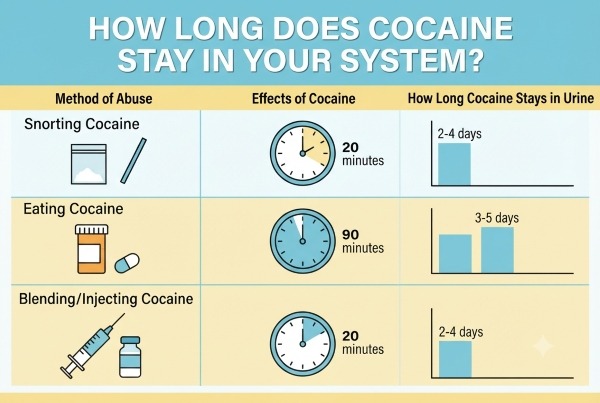
Cocaine duration varies significantly depending on how it’s used, with smoked or injected forms producing a faster, more intense, and shorter high than snorting. This table breaks down the general pattern.
Method Of Use | Onset Time | Typical Duration |
Snorting | 1 to 3 minutes | 15 to 30 minutes |
Smoking (crack) | Seconds | 5 to 10 minutes |
Injecting | Seconds | 5 to 15 minutes |
Oral or gum absorption | 10 to 20 minutes | 30 to 60 minutes |
The faster a method delivers cocaine to the brain, the shorter and more intense the high tends to be, which also tends to carry a higher risk for compulsive redosing.
Why Answers Vary Online And On Reddit
Answers about cocaine high duration vary online, including on Reddit, because personal accounts reflect individual dose, tolerance, and method of use rather than a single, fixed number. Anecdotal reports can be useful for context, but they aren’t a reliable substitute for clinical information.
Forums often reflect real experiences, but they can’t account for purity, individual health factors, or how combining substances changes the picture. Clinical and pharmacological data consistently support the same general ranges described here, regardless of what any single personal story reports.
Experts Advice: Seek professional support early, as timely treatment improves recovery outcomes and reduces relapse risk
What Affects How Long A Cocaine High Lasts
Several factors shape exactly how long a cocaine high lasts for a given person, beyond just the method of use. No two experiences are identical.
- Dose size, since larger amounts generally extend the duration somewhat
- Purity and unknown additives, which make the effects unpredictable
- Individual metabolism, since some people process the drug faster than others
- Combining with alcohol or other substances, which can intensify or distort the experience
- Frequency of use, since tolerance can shorten how long the euphoric effects last over time
This unpredictability is part of why cocaine use carries real risk, even for people who believe they know their own limits.
The Comedown After A Cocaine High
The comedown after a cocaine high often brings fatigue, irritability, anxiety, and a noticeable low mood as dopamine levels drop sharply. This crash can feel just as intense as the high itself, just in the opposite direction.
Common comedown symptoms include:
- Exhaustion or crashing energy
- Irritability or agitation
- Anxiety or paranoia
- Depressed mood
- Strong cravings to use again
This crash is a major driver of repeated use, since using again can temporarily relieve the discomfort, even though it deepens the underlying cycle.
Short-Term Effects of Cocaine Use
Short-term effects of cocaine use go beyond the high itself and can affect the heart, blood pressure, and mental state even in a single use. These effects can appear regardless of whether someone considers their use casual or occasional.
Cocaine use significantly increases heart rate and blood pressure, and even a single use can raise the risk of heart attack, stroke, or seizure in vulnerable individuals.
This is part of why there’s no truly “safe” amount of cocaine, even for someone using it for the first time.
Long-Term Risks of Repeated Cocaine Use
Repeated cocaine use can cause lasting changes to the brain’s reward system, making it progressively harder to feel pleasure from anything other than the drug. This is a major reason addiction becomes so difficult to break without treatment.
Long-term physical risks include cardiovascular damage, increased stroke risk, and respiratory problems depending on the method of use. Some of this damage can improve with sustained abstinence, though not all effects are guaranteed to reverse.
You don’t have to face cocaine addiction alone. Contact Solutions Healthcare for a confidential assessment and personalized treatment options.
Signs Cocaine Use Has Become An Addiction
Cocaine addiction often develops through a pattern of using more frequently or in larger amounts to chase the same effect, alongside a growing inability to stop despite consequences. Recognizing this pattern early can prevent a lot of damage.
Warning signs include:
- Using more cocaine than intended
- Strong cravings between uses
- Continuing use despite health, financial, or relationship consequences
- Needing more to achieve the same high
- Feeling unable to function or relax without it
People with untreated mental health conditions are more likely to turn to substances like cocaine as a way to self-medicate, which is part of why effective treatment addresses both addiction and any underlying condition together.
Steps To Get Help For Cocaine Use
Getting help for cocaine use, whether for yourself or someone you love, generally follows a clear process.
- Have an honest conversation with a doctor or addiction professional
- Complete a full assessment, including any co-occurring mental health needs
- Choose the right level of care based on severity and history
- Begin therapy to address the patterns driving continued use
- Build a relapse prevention plan for the months ahead
- Stay connected to ongoing support after formal treatment ends
Cocaine Addiction Treatment At Solutions Healthcare
If you’ve read this far because something about the pattern you’re seeing feels familiar, that instinct is worth trusting.
Solutions Healthcare provides evidence-based cocaine addiction treatment across our network of Central Florida treatment centers, using residential, intensive outpatient, and outpatient levels of care built around each client’s history.
We’re accredited by The Joint Commission and licensed in Florida by the Department of Children and Family Services and the Agency for Healthcare Administration, with locations in Orlando, DeLand, Palm Coast, and Melbourne offering a full continuum of care.
If cocaine use is becoming harder to control, call Solutions Healthcare to explore compassionate, evidence-based treatment tailored to your recovery.
FAQs
How long does the high from cocaine last?
Most cocaine highs last about 15 to 30 minutes when the drug is snorted. Smoking or injecting produces a shorter but more intense high that usually lasts 5 to 15 minutes before fading, often followed by a noticeable crash and strong cravings to use again.
Why does a cocaine high feel so short?
Cocaine is rapidly broken down and cleared by the body, causing its pleasurable effects to fade quickly. Because the high disappears so fast, many people repeatedly redose to maintain it, increasing the risks of dependence, overdose, and other serious health complications.
What is a cocaine high like?
A cocaine high commonly produces intense euphoria, increased energy, confidence, alertness, and talkativeness. As the effects wear off, many people experience fatigue, irritability, anxiety, and low mood. The experience varies depending on dose, purity, tolerance, and method of use.
Does cocaine stay in your system longer than the high lasts?
Yes, the noticeable high typically ends within minutes to an hour, but cocaine and its metabolites remain in the body much longer. Depending on the testing method and pattern of use, they can stay detectable for several days or even longer.
Why do answers about cocaine duration vary so much online?
Online discussions often reflect personal experiences influenced by dosage, purity, tolerance, metabolism, and method of use. Clinical studies provide more reliable detection windows because they are based on standardized testing rather than individual anecdotes, making them a better source of information.
Is the comedown after a cocaine high dangerous?
The comedown itself is not usually medically dangerous, but it often causes intense fatigue, depression, anxiety, irritability, and cravings. These symptoms can increase the likelihood of repeated cocaine use, raising the risk of addiction and other serious health consequences over time.
Can one use of cocaine cause a heart problem?
Yes, even a single use of cocaine can trigger serious cardiovascular complications, including heart attack, stroke, dangerous heart rhythm abnormalities, or sudden cardiac arrest. Risk exists regardless of age and may affect otherwise healthy individuals without known heart disease.
Does smoking cocaine feel different than snorting it?
Yes, smoking or injecting cocaine delivers it to the brain much faster than snorting, producing a more intense but shorter-lasting high. Snorting has a slower onset and slightly longer duration, though all methods carry significant risks of overdose and addiction.
How do I know if cocaine use has become an addiction?
Cocaine addiction may involve strong cravings, using more than intended, unsuccessful attempts to quit, and continuing use despite problems affecting health, finances, work, or relationships. A healthcare professional or addiction specialist can perform a comprehensive assessment and recommend appropriate treatment options.
Is there a safe amount of cocaine to use?
No, no amount of cocaine can be considered completely safe. Serious complications, including overdose, heart attack, stroke, seizures, and sudden death, can occur with any dose, including the first time someone uses the drug under seemingly ordinary circumstances.
What treatment works best for cocaine addiction?
There is currently no FDA-approved medication specifically for cocaine addiction. Treatment typically focuses on behavioral therapies such as cognitive behavioral therapy, contingency management, counseling, peer support, and addressing co-occurring mental health conditions to improve long-term recovery and reduce relapse risk.
What should I do if I’m worried about my own cocaine use?
If you are concerned about your cocaine use, speaking honestly with a doctor or addiction treatment provider is an important first step. Early intervention can identify problems before they worsen and improve the chances of achieving lasting recovery through evidence-based treatment and ongoing support.
References
- National Institute on Drug Abuse, Facts About Cocaine
- Mayo Clinic, Cocaine Use Symptoms and Causes
- CDC, Overdose Deaths Involving Cocaine and Psychostimulants
- NCBI, Cocaine Intoxication Clinical Overview
- MedlinePlus, Cocaine
- World Health Organization, Stimulants and Health Risks
- American Addiction Centers, Cocaine Overdose Signs Symptoms and Treatment
- Solutions Healthcare, Cocaine Addiction Treatment
- Solutions Healthcare, Dual Diagnosis Program
This blog is for educational purposes only and is not a substitute for professional medical advice. If you or someone you know may be experiencing a cocaine overdose, call 911 immediately. For treatment support, Solutions Healthcare is available to help.