
In This Blog
- Defining Major Depressive Disorder (MDD)
- The Biological Roots of Depression
- Why Classification as a Disorder Matters
- Common Symptoms and Diagnostic Criteria
- The Link Between Brain Chemistry and Behavior
- The Importance of a Structured Treatment Environment
- How Professional Oversight Facilitates Healing
- Moving Toward Long-Term Emotional Stability
Depression is among the most spoken on wellness issues of today, yet there is one fundamental question that remains in the minds of many; is depression a mental disorder? The international medical community and clinical models such as the DSM-5 would all say no, that is a resounding yes. Particularly referred to as the Major Depressive Disorder (MDD), it is much more than a momentary mood of sadness or a bad patch. It is a chronic, complicated health problem that influences the capability of the brain to maintain the mood, energy, and perspective.
The categorization of depression as a disorder is necessary since it shifts the dialogue on the issue of willpower to medical necessity. The same way diabetes influences the functioning of the body in regard to insulin processing, depression influences the functioning of the brain in relation to the processing of neurotransmitters. This cognitive change is crucial in eliminating stigmas and making sure that the people seek professional control and institutionalized support so as to achieve real recovery.
Although all people feel sad, a disorder is characterized by the length of time, the severity of sadness and how it affects normal functioning. Once the weight of low mood starts to play havoc with the work, relationships and physical well being, then it will take more than time to mend, it will need a special treatment facility.
Expert Advice: Depression is a treatable medical condition; achieving stability is significantly more effective when utilizing supervised support
The Biological Roots of Depression
To understand why depression is a disorder, we must look at the biological changes occurring in the brain. It is not an imaginary state; it is a physiological one.
- Neurotransmitter Imbalance: Chemicals like serotonin, dopamine norepinephrine are responsible for relaying signals related to joy and motivation. In a depressed brain, these signals are often weak or disrupted.
- Brain Structure: Chronic depression can lead to the shrinking of the hippocampus the area of the brain responsible for memory and emotion.
- Genetic Predisposition: Genetics play a significant role, meaning some individuals are biologically more vulnerable to developing the disorder.
Because these are physical changes, they often require professional oversight to correct. Medications and therapies are designed to “re-tune” the brain’s chemistry, much like a physician would treat any other organ in the body.
Why Classification as a Disorder Matters
Calling depression a “mental disorder” provides a clinical roadmap for treatment. It allows healthcare providers to apply a structured care framework that has been scientifically proven to work.
Feature | Feeling “Blue” (Sadness) | Depressive Disorder |
Duration | Short-term (days) | Persistent (2 weeks or more) |
Cause | Often linked to a specific event | Can occur without a clear trigger |
Impact | Able to function and find joy | Significant impairment in daily life |
Treatment | Self-care, time, and support | Professional oversight and therapy |
Classification also ensures that insurance providers recognize the need for monitored settings and specialized recovery services, making help more accessible to those who need it most.
FACT: Depression is a leading cause of disability worldwide, affecting over 280 million people.
Common Symptoms and Diagnostic Criteria
Depression manifests through a variety of emotional and physical symptoms. To be diagnosed with the disorder, an individual typically experiences several of these for most of the day, nearly every day:
- Persistent Low Mood: Feeling sad, “empty,” or tearful.
- Anhedonia: A total loss of interest or pleasure in activities once enjoyed.
- Physical Fatigue: Feeling drained of energy even without physical exertion.
- Sleep Disturbances: Either insomnia or sleeping too much (hypersomnia).
- Cognitive Fog: Difficulty thinking, concentrating, or making simple decisions.
In severe cases, depression can lead to suicidal ideation. This is why a monitored setting is often necessary during the acute phases of the disorder to ensure the individual’s safety while they begin the healing process.
Solutions Healthcare offers the supervised support needed to navigate these symptoms safely.
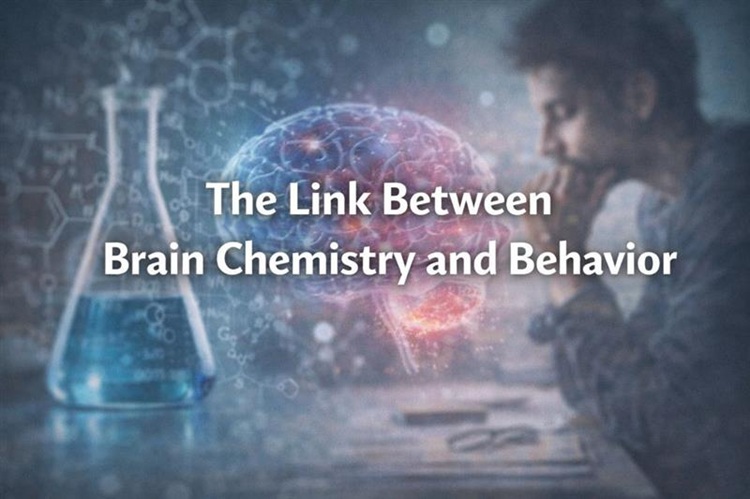
The Link Between Brain Chemistry and Behavior
Because depression is a behavioral health concern, it impacts how we act. A person with a depressive disorder may struggle with social withdrawal, poor nutrition, or substance use as a form of self-medication. This creates a feedback loop where the biological disorder drives negative behaviors, which in turn make the biological state worse.
A structured treatment environment focuses on breaking this loop. By combining clinical professional oversight with behavioral modification, individuals can begin to rebuild healthy habits that support their internal brain chemistry.
The Importance of a Structured Treatment Environment
Attempting to “tough out” a mental disorder can be dangerous and prolongs suffering. A monitored setting or a structured care program offers several advantages:
- Safety: Constant access to professionals during moments of crisis.
- Consistency: A daily routine that stabilizes the nervous system.
- Intensive Therapy: Utilizing modalities like CBT or DBT to rewire negative thought patterns.
- Medication Management: Ensuring that prescriptions are working effectively without adverse side effects.
Solutions Healthcare provides a dedicated treatment environment focused on long-term recovery.
Moving Toward Long-Term Emotional Stability
Recovery from depression is a journey, not a destination. Emotional stability requires an integrated approach that addresses the mind, body, and behavior. Through recovery services, individuals can learn the skills necessary to manage their symptoms and prevent future episodes.
At Solutions Healthcare, we provide accessible, high-quality recovery services and professional oversight for those struggling with depression. Our approach emphasizes a structured treatment environment that respects the dignity of every patient while providing the clinical intensity required for stabilization. By offering supervised support in a safe, monitored setting, we empower our clients to overcome the challenges of mental disorders and move toward a vibrant, hopeful future.
Medical Disclaimer: This blog is for informational purposes only and is not a substitute for professional medical advice.
FAQs
Is depression officially considered a mental disorder?
Yes, clinical depression is officially classified as a mental disorder within the medical community. It significantly impacts brain chemistry and emotional regulation. Unlike typical sadness, this condition requires professional oversight and structured care to manage effectively. Treatment often involves a combination of specialized therapy, medication, and long-term recovery services.
What are the primary causes of depressive disorders?
Depressive disorders generally arise from complex interactions between biological, genetic, and environmental factors. Research indicates that imbalances in brain neurotransmitters like serotonin play a critical role. When someone experiences persistent symptoms, they often require a monitored setting to stabilize their health and receive supervised support from clinical medical experts.
Why is professional oversight important for treating depression?
Professional oversight is crucial because depression affects the central nervous system and physical health. Clinicians provide necessary guidance to manage medications and therapeutic interventions safely. Within a structured care environment, patients receive the tools to break negative cycles, ensuring that their recovery services lead toward sustainable emotional and mental stability.
Can someone recover from a severe mental disorder?
While many individuals manage depression throughout their lives, recovery is highly achievable with the right intervention. Through consistent professional oversight and evidence-based therapies, patients can enter remission. Utilizing a monitored setting during acute phases allows individuals to rebuild their resilience and successfully transition back into their daily community life.
How does a monitored setting help during recovery?
A monitored setting offers a safe, distraction-free environment where individuals can focus entirely on healing. It provides 24/7 supervised support, which is vital for those experiencing severe symptoms. This structured care approach ensures that medical professionals can quickly adjust treatment plans, facilitating a smoother transition toward long-term psychological wellness.