
Behavioral disorders can affect how a person thinks, reacts, and interacts with others. Understanding the types of behavioral disorders is the first step toward recognizing symptoms and finding the right support. These conditions can impact early age and adults, affecting relationships, school, work, and daily life. With proper diagnosis and behavioral disorder treatment, many people learn healthy coping strategies and experience meaningful improvement.
The types of behavioral disorders include conditions that cause ongoing patterns of disruptive, impulsive, aggressive, or socially inappropriate behavior. Common examples include Attention-Deficit/Hyperactivity Disorder (ADHD), Oppositional Defiant Disorder (ODD), Conduct Disorder (CD), Intermittent Explosive Disorder (IED), Obsessive-Compulsive Disorder (OCD) when it significantly affects behavior, and certain impulse-control disorders.
Although symptoms vary, effective treatment often combines psychotherapy, behavioral interventions, medication when appropriate, family support, and healthy lifestyle changes. Early diagnosis and individualized care improve long-term outcomes for adults.
Key Takeaways
- Behavioral disorders involve persistent patterns of behavior that interfere with daily functioning.
- There are several types of behavioral disorders, each with unique symptoms and treatment needs.
- These conditions can affect both children and behavioral disorders in adults.
- Early diagnosis often leads to better long-term outcomes.
- Behavioral disorders treatment may include therapy, medication, behavioral coaching, and family support.
- Professional care can significantly improve quality of life and emotional well-being.
What are Behavioral Disorders?
Behavioral disorders are mental health conditions characterized by ongoing patterns of actions or behaviors that interfere with everyday life. These behaviors are more severe than occasional emotional outbursts or mood changes and typically continue over time.
People with behavioral disorders may struggle with:
- Following rules
- Managing emotions
- Controlling impulses
- Maintaining healthy relationships
- Performing well at school or work
While behavioral disorders are commonly identified during childhood, many individuals continue experiencing symptoms into adulthood. Behavioral disorders do not reflect poor character or bad parenting. Instead, they often result from a combination of biological, psychological, environmental, and social factors.
100% Confidential Support is Available 24/7
No matter what you’re going through, you’re not alone. Our dedicated team is here to provide a safe, judgment-free space where you can talk openly and honestly. Whether you need emotional support, resources, or just someone to listen.
We’re here for you—completely confidential and always respectful of your privacy. Call us today!
What Causes Behavioral Disorders?
There is rarely one single cause. Instead, behavioral disorders usually develop from multiple contributing factors.
Common risk factors include:
- Genetics: A family history of mental health conditions can increase the likelihood of developing certain behavioral disorders.
- Brain Development: Differences in brain structure, chemistry, or communication between brain regions may influence emotional regulation and impulse control.
- Trauma and Stress: Childhood abuse, neglect, exposure to violence, or significant life stress can contribute to behavioral difficulties later in life.
- Environmental Factors: Family conflict, inconsistent discipline, substance misuse within the home, and social challenges may increase behavioral problems.
- Co-Occurring Mental Health Conditions: Anxiety, depression, learning disabilities, autism spectrum disorder, and substance use disorders often occur alongside behavioral disorders.
Contact Solutions Healthcare
Battling with Drug and Alcohol Addition? Remember, you are not alone and we are here to help you!
Types of Behavioral Disorders
Understanding the different types of behavioral disorders helps individuals and families recognize symptoms early and seek appropriate treatment.
Attention-Deficit/Hyperactivity Disorder (ADHD)
ADHD is one of the most recognized behavioral disorders. It affects attention, self-control, and activity levels. Common symptoms include:
- Difficulty concentrating
- Forgetfulness
- Excessive talking
- Restlessness
- Impulsive decision-making
- Trouble completing tasks
Although ADHD often begins in childhood, many people continue experiencing symptoms throughout adulthood.
Oppositional Defiant Disorder (ODD)
Oppositional Defiant Disorder involves a consistent pattern of anger, irritability, argumentativeness, and defiance toward authority figures. Individuals may:
- Frequently lose their temper
- Refuse to follow instructions
- Blame others for mistakes
- Become easily annoyed
- Display resentment or hostility
Without treatment, ODD may interfere with school, work, and family relationships.
Conduct Disorder (CD)
Conduct Disorder is more severe than oppositional behavior. It involves repeated violations of social rules and the rights of others. Behaviors may include:
- Aggression toward people or animals
- Property destruction
- Theft
- Serious rule violations
- Frequent lying
- Physical fights
Early intervention is essential because untreated conduct disorder may increase the risk of legal, educational, and social difficulties later in life.
Intermittent Explosive Disorder (IED)
People with intermittent explosive disorder experience sudden episodes of intense anger that seem disproportionate to the situation. Symptoms often include:
- Verbal outbursts
- Physical aggression
- Property damage
- Difficulty controlling anger
- Feelings of regret after episodes
These episodes are usually brief but can significantly impact relationships and employment.
Obsessive-Compulsive Disorder (OCD)
Although OCD is classified as an obsessive-compulsive disorder rather than a disruptive behavior disorder, repetitive compulsive behaviors can significantly interfere with everyday functioning. Common compulsions include:
- Excessive cleaning
- Repeated checking
- Counting rituals
- Organizing objects
- Repetitive reassurance seeking
Effective care often combines specialized CBT with medication when appropriate.
Impulse-Control Disorders
Impulse-control disorders involve difficulty resisting urges that may be harmful. Examples include:
- Kleptomania
- Pyromania
- Compulsive gambling
- Other repetitive impulsive behaviors
Individuals often experience increasing tension before acting and relief afterward, followed by guilt or regret.
What are the 6 Common Behavioral Disorder?
People frequently ask, what are the 6 common behavioral disorder conditions most often diagnosed by mental health professionals.
The six commonly recognized behavioral disorders include:
- Attention-Deficit/Hyperactivity Disorder (ADHD)
- Oppositional Defiant Disorder (ODD)
- Conduct Disorder (CD)
- Intermittent Explosive Disorder (IED)
- Obsessive-Compulsive Disorder (OCD)
- Impulse-Control Disorders
Each condition affects behavior differently, making an accurate evaluation essential before beginning treatment.
What are the 5 Most Common Behavioral Issues?
Another common question is what the 5 most common behavioral issues affecting individuals across different age groups are.
The most frequently observed behavioral challenges include:
- Impulsivity
- Aggressive behavior
- Defiance
- Difficulty following rules
- Emotional outbursts
These behaviors do not always indicate a behavioral disorder. However, when they become persistent, severe, and interfere with everyday life, professional assessment is recommended.
100% Confidential Support is Available 24/7
No matter what you’re going through, you’re not alone. Our dedicated team is here to provide a safe, judgment-free space where you can talk openly and honestly. Whether you need emotional support, resources, or just someone to listen.
We’re here for you—completely confidential and always respectful of your privacy. Call us today!
Behavioral Disorders in Adults
Behavioral disorders in adults may appear differently than they do in children, making diagnosis more challenging.
Adult symptoms can include:
- Difficulty maintaining employment
- Relationship conflicts
- Poor emotional regulation
- Chronic impulsive decisions
- Anger management problems
- Financial difficulties
- Risk-taking behaviors
- Substance misuse
Many adults remain undiagnosed for years because they learned to hide or adapt to their symptoms. A comprehensive mental health evaluation can identify underlying behavioral disorders and guide effective treatment.
Seeking Help Can Change Lives
Living with a behavioral disorder can feel overwhelming, but effective treatment is available. Whether you’re concerned about your own symptoms or those of a loved one, professional support can make a meaningful difference.
If you or someone you care about is struggling with behavioral concerns, contact Solutions Healthcare today to schedule a confidential assessment. Early support can lead to lasting positive change.
How Are Behavioral Disorders Diagnosed?
Diagnosing the types of behavioral disorders involves much more than observing challenging behaviors. A licensed mental health professional evaluates how long symptoms have been present, how severe they are, and how they affect daily life. Since many behavioral disorders share similar symptoms with other mental health conditions, a thorough assessment is essential.
A comprehensive evaluation may include:
- A detailed medical and mental health history
- Interviews with the individual and, when appropriate, family members
- Behavioral observations
- Standardized psychological assessments
- Screening for co-occurring mental health conditions
- Review of school, work, or social functioning
There is no single laboratory test that diagnoses behavioral disorders. Instead, clinicians use evidence-based diagnostic criteria and clinical judgment to determine the most appropriate diagnosis and treatment plan.

100% Confidential Support is Available 24/7
No matter what you’re going through, you’re not alone. Our dedicated team is here to provide a safe, judgment-free space where you can talk openly and honestly. Whether you need emotional support, resources, or just someone to listen.
We’re here for you—completely confidential and always respectful of your privacy. Call us today!
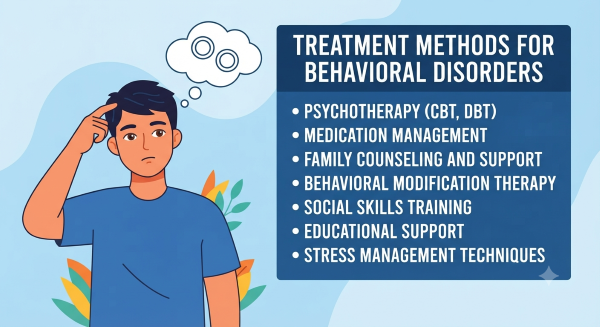
Behavioral Disorders Treatment
One of the most common questions people ask is whether effective behavioral disorders treatment exists. The answer is yes. Treatment can significantly reduce symptoms, improve emotional regulation, and help individuals develop healthier ways of responding to everyday situations.
Because every person is different, treatment plans are personalized based on age, symptoms, medical history, and individual goals.
Cognitive Behavioral Therapy (CBT)
Cognitive behavioral therapy is one of the most effective treatments for many behavioral disorders. CBT helps individuals identify unhealthy thought patterns and replace them with healthier behaviors and coping skills. Benefits include:
- Better emotional control
- Improved problem-solving skills
- Reduced impulsive behavior
- Healthier communication
- Greater self-awareness
Behavioral Therapy
Behavioral therapy focuses on reinforcing positive behaviors while reducing harmful or disruptive ones. Therapists use structured techniques to help individuals learn new responses to challenging situations. It often includes:
- Positive reinforcement
- Goal setting
- Skill-building exercises
- Behavior tracking
- Parent or caregiver involvement when appropriate
Family Therapy
Behavioral disorders often affect the entire family. Family therapy improves communication, strengthens relationships, and teaches effective strategies for managing difficult behaviors at home. Families learn how to:
- Set healthy boundaries
- Respond consistently to challenging behaviors
- Reduce conflict
- Support recovery together
Medication
Medication is not appropriate for every behavioral disorder, but it may help manage certain symptoms, particularly when conditions such as ADHD, anxiety, or depression occur alongside behavioral challenges. Medication should always be prescribed and monitored by a qualified healthcare provider as part of a broader treatment plan rather than used as the only form of care.
Social Skills Training
Some individuals struggle with communication, emotional awareness, and relationship-building. Individual therapy and social skills training help improve these areas by teaching practical techniques for interacting with others in healthy and respectful ways. Training may focus on:
- Listening skills
- Conflict resolution
- Emotional awareness
- Problem-solving
- Teamwork
- Healthy communication
Treatment for Behavioral Disorders in Adults
Effective treatment for behavioral disorders in adults often requires addressing both behavioral symptoms and any underlying mental health conditions. Adults may also face challenges related to work, relationships, parenting, or substance use, making individualized care especially important.
Treatment commonly includes:
- Individual psychotherapy
- Cognitive Behavioral Therapy (CBT)
- Anger management counseling
- Stress management techniques
- Medication management when appropriate
- Couples or family counseling
- Lifestyle changes that support emotional wellness
Adults who receive timely treatment often report better emotional regulation, improved relationships, increased job performance, and a higher quality of life.
Healthy Lifestyle Habits That Support Recovery
Professional treatment is the foundation of recovery, but healthy daily habits can also make a meaningful difference. While lifestyle changes alone are not a substitute for therapy, they can support long-term progress.
Helpful habits include:
- Regular Physical Activity: Exercise supports both physical and mental health by helping regulate mood, improve sleep, and reduce stress.
- Quality Sleep: Consistent sleep allows the brain to recover and supports better emotional control, concentration, and decision-making.
- Balanced Nutrition: Eating regular, nutritious meals provides the brain with the energy it needs to function effectively.
- Stress Management: Relaxation techniques such as mindfulness meditation, deep breathing, and meditation may help reduce emotional reactivity and improve coping skills.
- Strong Support Systems: Supportive relationships with family, friends, or mental health professionals encourage accountability and emotional resilience during treatment.
When Should You Seek Professional Help?
Everyone experiences frustration, stress, or occasional behavioral challenges. However, professional help is recommended when behaviors become persistent, severe, or begin interfering with daily life.
Consider seeking an evaluation if someone:
- Frequently becomes aggressive or physically confrontational
- Has ongoing difficulty controlling emotions
- Struggles to maintain healthy relationships
- Experiences repeated problems at work or school
- Acts impulsively despite negative consequences
- Has legal or financial problems related to behavior
- Uses alcohol or drugs to cope with emotions
- Feels overwhelmed by anger, anxiety, or emotional distress
Early intervention can prevent symptoms from becoming more serious and improve long-term outcomes.
Why Early Treatment Matters
Recognizing the types of behavioral disorders early allows individuals to receive support before symptoms significantly affect their personal or professional lives.
Without treatment, behavioral disorders may contribute to:
- Academic difficulties
- Job instability
- Relationship conflicts
- Substance use disorders
- Legal problems
- Anxiety and depression
- Lower overall quality of life
The earlier treatment begins, the more opportunities there are to build healthy coping skills and reduce long-term complications.
Take the First Step Toward Better Mental Health
Living with behavioral challenges doesn’t mean someone is destined to struggle forever. With the right diagnosis, personalized treatment, and ongoing support, lasting improvement is possible.
If you or someone you love is experiencing symptoms of behavioral disorders, don’t wait. Contact Solutions Healthcare today to schedule a confidential consultation and begin building a healthier future.
Conclusion
Understanding the types of behavioral disorders empowers individuals and families to recognize symptoms, seek timely care, and support lasting recovery. Whether the challenges involve impulsivity, aggression, emotional regulation, or difficulty maintaining relationships, behavioral disorders are treatable with the right combination of professional care and personal commitment.
If you or someone you care about is experiencing persistent behavioral challenges, don’t wait for symptoms to become more severe. Early intervention can make a meaningful difference and provide the tools needed for healthier coping, stronger relationships, and long-term success.
Solutions Healthcare is committed to providing compassionate, individualized mental health care for adults. Our experienced team develops personalized treatment plans that address each person’s unique needs, helping clients build practical skills and achieve lasting emotional wellness.
Take the first step today. Contact Solutions Healthcare to schedule a confidential assessment and learn how our comprehensive behavioral health services can help you or your loved one move toward a healthier, more balanced future.
Frequently Asked Questions
What are the different types of behavioral disorders?
The most common types of behavioral disorders include Attention-Deficit/Hyperactivity Disorder (ADHD), Oppositional Defiant Disorder (ODD), Conduct Disorder (CD), Intermittent Explosive Disorder (IED), Obsessive-Compulsive Disorder (OCD), and impulse-control disorders. Each condition affects behavior differently and requires an individualized treatment approach.
What are the common behavioral disorders?
When people ask what the 6 common behavioral disorder conditions are, they are typically referring to ADHD, ODD, Conduct Disorder, Intermittent Explosive Disorder, OCD, and impulse-control disorders. A licensed mental health professional can determine the correct diagnosis based on symptoms and history.
What are the most common behavioral issues?
The 5 most common behavioral issues include impulsivity, aggression, defiance, emotional outbursts, and difficulty following rules. While these behaviors can occur occasionally, persistent or severe symptoms may indicate an underlying behavioral disorder that deserves professional evaluation.
Can behavioral disorders develop in adults?
Yes. Although many behavioral disorders begin during childhood, behavioral disorders in adults are common. Some adults continue living with childhood symptoms, while others are diagnosed later in life after behavioral patterns begin affecting relationships, work, or overall well-being.
What is the most effective behavioral disorder treatment?
The most effective behavioral disorder treatment depends on the individual’s diagnosis and needs. Treatment often combines cognitive behavioral therapy (CBT), behavioral therapy, family counseling, medication when appropriate, and healthy lifestyle changes to improve emotional regulation and daily functioning.
Disclaimer
This blog is intended for educational and informational purposes only and should not be considered medical advice, diagnosis, or treatment. Behavioral disorders can present differently from person to person, and only a qualified healthcare professional can provide an accurate diagnosis and recommend an appropriate treatment plan. If you or someone you know is experiencing symptoms of a behavioral disorder or is in emotional distress, seek guidance from a licensed mental health provider or healthcare professional promptly.
References
- National Center for Biotechnology Information (NCBI). Behavior Disorders in Children and Adolescents: Evidence-Based Review. https://pmc.ncbi.nlm.nih.gov/articles/PMC5803568/
- American Psychiatric Association. Diagnostic and Statistical Manual of Mental Disorders (DSM-5-TR). https://www.psychiatry.org
- National Institute of Mental Health (NIMH). Mental Health Information and Resources. https://www.nimh.nih.gov