An estimated 13.8 million Americans misused a prescription medication in the past year, including 7.6 million who misused prescription pain relievers. Prescription drug addiction rarely starts with intent to misuse; it often begins with medication taken exactly as directed for pain, anxiety, or sleep and gradually turns into dependence. Finding a prescription drug addiction center in Orlando, FL, is often the first real step back.
A prescription drug addiction center provides medical assessment, therapy, and structured support for people dependent on opioids, benzodiazepines, stimulants, or sleep medications. Treatment typically combines individual and group counseling, family involvement, and relapse prevention planning, built around each person’s specific medical and mental health history rather than a single fixed program.
Key Takeaways
- Prescription drug addiction is a treatable medical condition, and it often develops even when the medication was originally taken as prescribed.
- Early intervention improves outcomes and reduces the severity of withdrawal and long-term health complications.
- Effective treatment addresses both the addiction and any underlying mental health conditions, such as anxiety, depression, or trauma.
- Therapy approaches like CBT, individual counseling, group therapy, and family therapy each play a distinct role in recovery.
- Long-term recovery depends on continuing care after formal treatment ends, not just completing an initial program.
What is Prescription Drug Addiction?
Prescription medications help millions of people manage pain, anxiety, ADHD, and insomnia, and when used exactly as directed, they improve quality of life for most of them. Addiction develops when someone continues taking a medication despite harmful consequences, as the brain adapts to the drug’s presence and stopping becomes genuinely difficult without support.
This isn’t always a story of intentional misuse: many people develop physical dependence after taking a medication exactly as prescribed for an extended period and then find they can’t simply stop. The medications most commonly involved are opioid pain relievers, benzodiazepines, prescription stimulants, sleep medications, and certain muscle relaxants.
100% Confidential Support is Available 24/7
No matter what you’re going through, you’re not alone. Our dedicated team is here to provide a safe, judgment-free space where you can talk openly and honestly. Whether you need emotional support, resources, or just someone to listen.
We’re here for you—completely confidential and always respectful of your privacy. Call us today!
Which Prescription Medications Carry the Highest Risk?
Opioid pain medications (oxycodone, hydrocodone, morphine, fentanyl, and codeine) are commonly prescribed after surgery or injury, and long-term use raises the risk of physical dependence considerably. Benzodiazepines (alprazolam, diazepam, lorazepam, and clonazepam) are often prescribed for anxiety or panic disorders and can become habit-forming when used beyond the recommended period.
Prescription stimulants (amphetamine-based and methylphenidate medications) treat ADHD and narcolepsy but are sometimes misused for focus or energy. Sleep medications taken regularly over time can also lead to dependence, even at prescribed doses.
Contact Solutions Healthcare
Battling with Drug and Alcohol Addition? Remember, you are not alone and we are here to help you!
Signs You May Need a Prescription Drug Addiction Center
A few patterns are worth taking seriously. Increasing your own dosage without medical approval because the original amount stopped feeling effective is one. Requesting early refills or seeing multiple providers for the same medication is another, often a sign that dependence is building. Thinking about the medication throughout the day, or feeling unable to function without it, points to cravings rather than ordinary use.
Withdrawal symptoms after stopping suddenly, including nausea, sweating, anxiety, tremors, muscle aches, trouble sleeping, or irritability, are a clear signal the body has adapted to the drug. When any of this starts affecting work, school, family relationships, finances, or physical health, that’s the point to act rather than wait.
Why Professional Treatment Matters
Quitting on your own is genuinely difficult once dependence has set in; withdrawal symptoms and cravings are often intense enough to derail unsupported attempts. A prescription drug addiction center offers what self-directed quitting usually can’t: a full medical evaluation, individualized treatment planning, individual and group counseling, family involvement, and structured relapse prevention.
Just as important, professional treatment routinely uncovers underlying conditions, anxiety, depression, trauma, or PTSD that were contributing to the misuse in the first place. Treating those issues alongside the addiction tends to produce better, more durable outcomes than treating the substance use in isolation.
Ready to talk to someone? Solutions Healthcare offers confidential evaluations to help determine the right level of care.
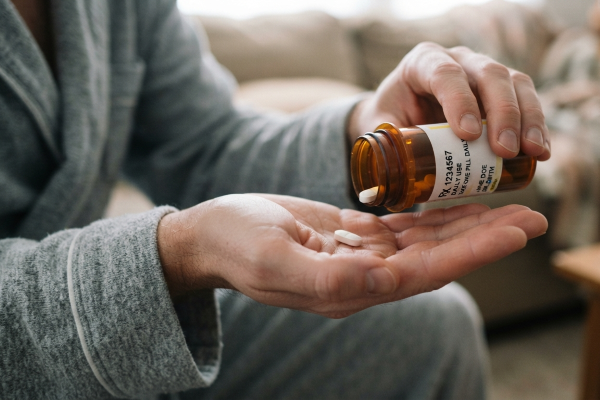
Therapy Approaches Used at a Prescription Drug Addiction Center
Treatment typically starts with a thorough assessment covering current medication use, medical history, mental health, family history, prior treatment, and personal recovery goals. From there, a handful of therapy approaches do most of the work.
Cognitive behavioral therapy helps identify the thought patterns that fuel misuse and builds practical skills for recognizing triggers, managing cravings, and preventing relapse; it’s one of the most widely used approaches for substance use disorders for exactly that reason.
Individual counseling provides a confidential space to work through trauma, anxiety, depression, chronic stress, or grief that may be tangled up with the addiction.
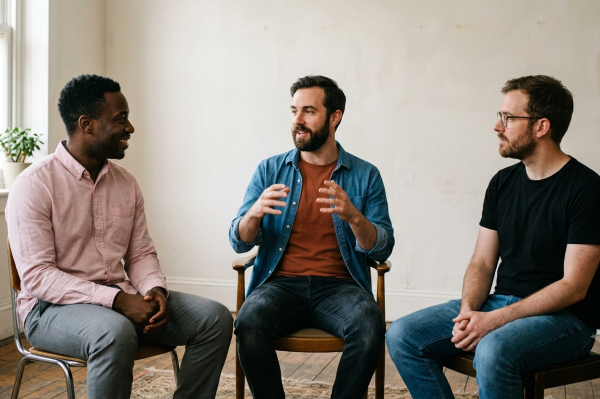
Group therapy connects clients with others facing similar struggles, which tends to reduce the isolation that often accompanies addiction and builds real accountability.
Family therapy addresses the fact that prescription drug addiction affects the whole household, not just the individual, and treatment outcomes tend to improve when family members are involved rather than left out of the process.
100% Confidential Support is Available 24/7
No matter what you’re going through, you’re not alone. Our dedicated team is here to provide a safe, judgment-free space where you can talk openly and honestly. Whether you need emotional support, resources, or just someone to listen.
We’re here for you—completely confidential and always respectful of your privacy. Call us today!
Take the First Step Toward Recovery
Prescription drug addiction can feel overwhelming, but you don’t have to face it alone. If you or someone you love is searching for a prescription drug addiction center in Orlando, FL, Solutions Healthcare provides individualized treatment built around your specific history and goals.
Contact Solutions Healthcare today to learn more about your treatment options.
Why Personalized, Integrated Care Matters
No two people arrive at addiction the same way. Age, overall health, family history, and which medication is involved all shape what recovery actually requires, which is why a quality treatment center builds an individualized plan instead of running everyone through the same fixed program.
This matters most when a mental health condition is involved: anxiety, depression, PTSD, bipolar disorder, and chronic stress commonly occur alongside prescription drug addiction, and left untreated, they make relapse significantly more likely.
Addressing both together, rather than one after the other, tends to produce better emotional stability, stronger relationships, and a lower relapse risk over the long run.
What Happens After Treatment Ends?
Completing a program is a real milestone, but recovery continues well past it. Ongoing support, individual counseling, support groups, recovery coaching, medication management where appropriate, and regular follow-up tend to be what separates a program that helped temporarily from one that leads to lasting change.
Recovery is genuinely a long-term process, and a strong support system after treatment makes a measurable difference in whether it holds.
Start Your Recovery with Solutions Healthcare
Living with prescription drug addiction can feel overwhelming, but you don’t have to face it alone. Recovery is possible with the right treatment and consistent support.
If you’ve been searching for a prescription drug addiction center in Orlando, FL, Solutions Healthcare can help. Our team builds treatment plans around each person’s specific history, addressing both the addiction and any underlying mental health concerns, so the plan actually fits the person it’s for.
Whether you’re seeking help for yourself or a loved one, reaching out today is the step that makes the rest possible.
Contact Solutions Healthcare to learn more about our addiction treatment services, schedule a confidential assessment, and begin your recovery.
100% Confidential Support is Available 24/7
No matter what you’re going through, you’re not alone. Our dedicated team is here to provide a safe, judgment-free space where you can talk openly and honestly. Whether you need emotional support, resources, or just someone to listen.
We’re here for you—completely confidential and always respectful of your privacy. Call us today!
Frequently Asked Questions
What is the most common prescription drug addiction?
Opioid pain medications are among the most commonly misused prescription drugs due to their powerful pain-relieving effects and potential to create physical dependence. Benzodiazepines and prescription stimulants are also frequently associated with prescription drug addiction and often require professional treatment.
What prescription drug is used for addiction?
Certain medications may be prescribed as part of a comprehensive treatment plan for opioid or alcohol use disorders. These medications are used under medical supervision and work best when combined with counseling, behavioral therapy, and ongoing recovery support.
How much is drug rehab in Florida?
The cost of drug rehab in Florida varies depending on the level of care, treatment length, insurance coverage, and services provided. Many treatment centers accept insurance or offer payment options, making professional addiction treatment more accessible for individuals and families.
What is a prescription drug addiction?
Prescription drug addiction is a chronic medical condition in which a person compulsively uses prescribed medication despite harmful physical, emotional, social, or financial consequences. Professional treatment can help individuals safely recover and develop healthier coping strategies.
What’s the most addictive prescription medication?
Opioid pain medications are generally considered the most addictive prescription medications because they directly affect the brain’s reward system. Benzodiazepines and certain prescription stimulants also carry a significant risk of dependence, especially when misused or taken for extended periods.
What is the hardest medication to get off of?
The difficulty of stopping a medication varies from person to person. Opioids and benzodiazepines are often among the most challenging because withdrawal symptoms can be intense and, in some cases, medically serious. Professional supervision is strongly recommended during the recovery process.
Disclaimer
This blog is intended for educational and informational purposes only and should not be considered medical advice, diagnosis, or treatment. Every individual’s situation is unique. Always consult a qualified physician, licensed mental health professional, or addiction specialist regarding questions about prescription medications or substance use disorders. If you are experiencing a medical emergency or suspected overdose, call 911 or seek emergency medical care immediately.
References
- Substance Abuse and Mental Health Services Administration. National Helpline and Resources
- National Institute on Drug Abuse. Prescription Drug Misuse and Addiction Research. https://nida.nih.gov/
- Centers for Disease Control and Prevention. Prescription Opioids and Overdose Prevention. https://www.cdc.gov/
- Rehab information and regional treatment overview (reference source used for background): https://rehabs.com/local/orlando-fl/
Author Bio
Dr. Zach Miller, Ph.D., LMHC, MCAP, CRRA, is a dedicated leader in behavioral mental health with over 15 years of experience transforming lives. As a co-founder of Solutions Healthcare, he has played a pivotal role in developing innovative therapeutic interventions for individuals struggling with mental health and substance use disorders.