Alcohol abuse ICD-10 refers to the ICD-10-CM diagnostic code used by healthcare professionals to classify alcohol-related disorders for medical documentation, insurance claims, and treatment planning. The most commonly used code for uncomplicated alcohol abuse is F10.10, while other codes apply when alcohol abuse is accompanied by intoxication, withdrawal, or additional complications.
A proper diagnosis is based on a clinical evaluation rather than a single test. Early treatment can help prevent alcohol abuse from progressing into alcohol dependence or severe alcohol use disorder. At Solutions Healthcare, individuals receive personalized, evidence-based care to support long-term recovery.
If you or someone you care about has seen this diagnosis on a medical record, you might wonder what it actually means. Does it indicate addiction? Is treatment necessary? How is it different from alcohol dependence or alcohol use disorder? Understanding these terms can help you make informed decisions about seeking professional care before alcohol misuse causes more serious health, emotional, or social consequences.
Key Takeaways
- Alcohol abuse ICD 10 is a medical classification used to document alcohol-related disorders.
- Healthcare providers use ICD-10-CM codes to improve diagnosis, treatment planning, and insurance documentation.
- The diagnosis is based on a comprehensive clinical assessment, not a single laboratory test.
- Early intervention can reduce the risk of long-term physical and mental health complications.
- Professional treatment can help individuals safely stop drinking and develop healthier coping strategies.
What is Alcohol Abuse ICD-10?
The alcohol abuse ICD-10 classification is part of the International Classification of Diseases, Tenth Revision, Clinical Modification (ICD-10-CM). This coding system is maintained in the United States to standardize medical diagnoses across hospitals, clinics, rehabilitation centers, and insurance providers.
Healthcare professionals use these codes to:
- Document alcohol-related diagnoses
- Communicate consistently between medical providers
- Support insurance billing and reimbursement
- Track public health data
- Develop individualized treatment plans
Rather than serving as a label, an ICD-10 diagnosis helps clinicians understand the severity of a person’s alcohol-related condition and determine the most appropriate level of care. For individuals struggling with problematic drinking, receiving an accurate diagnosis is often the first step toward recovery.
100% Confidential Support is Available 24/7
No matter what you’re going through, you’re not alone. Our dedicated team is here to provide a safe, judgment-free space where you can talk openly and honestly. Whether you need emotional support, resources, or just someone to listen.
We’re here for you—completely confidential and always respectful of your privacy. Call us today!
Understanding the Alcohol Abuse ICD-10 Classification
Alcohol-related disorders exist on a spectrum. Some people experience occasional harmful drinking patterns, while others develop severe physical dependence.
Within ICD-10-CM, alcohol-related conditions are grouped under the F10 category, which includes disorders caused by alcohol use. Different codes describe different clinical situations, such as:
- Alcohol abuse
- Alcohol dependence
- Alcohol intoxication
- Alcohol withdrawal
- Alcohol-induced mood disorders
- Alcohol-related psychotic disorders
- Alcohol-induced sleep disorders
This structured classification helps healthcare professionals document the exact condition rather than using broad or outdated terminology. Although people often use “alcoholism” as a general term, modern healthcare focuses on identifying specific alcohol-related disorders based on clinical findings.
Contact Solutions Healthcare
Battling with Drug and Alcohol Addition? Remember, you are not alone and we are here to help you!
Understanding the Alcohol Abuse ICD 10 Code
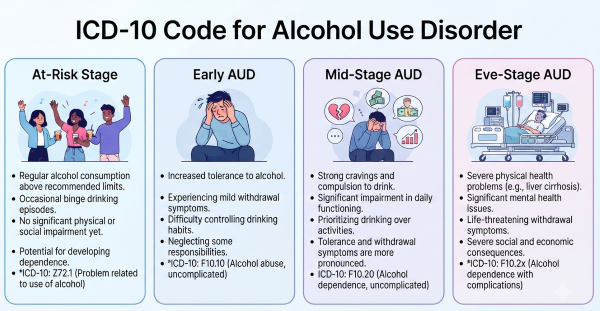
One of the most frequently referenced diagnoses is the alcohol abuse icd 10 code F10.10, which represents Alcohol abuse, uncomplicated. This diagnosis generally applies when an individual demonstrates harmful alcohol use without additional complications such as intoxication, withdrawal, or alcohol-induced medical conditions.
An uncomplicated diagnosis does not mean alcohol misuse is harmless. Instead, it indicates that no associated complications are documented during the clinical evaluation. Without treatment, alcohol misuse can progress and lead to more serious physical, psychological, or behavioral problems over time.
Healthcare providers evaluate many factors before assigning this diagnosis, including:
- Drinking patterns
- Behavioral changes
- Physical health
- Mental health symptoms
- Social and occupational functioning
- Previous treatment history
A complete assessment ensures the diagnosis accurately reflects the individual’s current condition.
How Healthcare Providers Diagnose Alcohol Abuse
Diagnosing alcohol misuse involves much more than asking how much someone drinks. Experienced physicians, addiction specialists, psychiatrists, and licensed therapists perform a comprehensive evaluation that may include:
Medical History
Providers review:
- Current alcohol consumption
- Family history of addiction
- Existing medical conditions
- Prescription medications
- Previous treatment experiences
Understanding these factors helps identify possible risks and co-occurring health conditions.
Behavioral Assessment
Alcohol misuse often affects daily life before serious medical problems develop. Clinicians look for changes such as:
- Missing work or school
- Relationship conflicts
- Financial problems
- Risk-taking behaviors
- Difficulty controlling drinking
- Continued drinking despite negative consequences
These patterns provide valuable insight into how alcohol is affecting overall functioning.
Mental Health Screening
Many people struggling with alcohol misuse also experience mental health conditions. Healthcare professionals may evaluate for:
- Anxiety
- Depression
- Trauma-related symptoms
- Mood disorders
- Stress-related conditions
Treating both alcohol misuse and mental health concerns together often leads to better long-term outcomes.
What are the Alcohol Abuse ICD-10 Criteria?
The alcohol abuse icd-10 criteria focus on identifying harmful patterns of alcohol use that negatively affect a person’s physical health, emotional well-being, relationships, or daily responsibilities. Healthcare professionals consider clinical symptoms, behavioral changes, and the impact of drinking before assigning an appropriate diagnosis. Rather than relying on one symptom alone, providers evaluate the individual’s overall functioning to determine whether alcohol misuse has become clinically significant.
Why Accurate ICD-10 Coding Matters
Many people assume medical diagnosis codes only exist for insurance purposes. While billing is one important function, proper coding offers many additional benefits.
Accurate diagnosis helps healthcare providers:
- Monitor treatment progress
- Coordinate care between specialists
- Identify co-occurring conditions
- Select evidence-based treatment options
- Maintain consistent medical documentation
- Improve continuity of care over time
It also allows public health organizations to better understand alcohol-related health trends and allocate resources for prevention and treatment programs.
Take the First Step Toward Recovery
Call Solutions Healthcare today to speak with an admissions specialist and begin your journey toward lasting recovery.
What is Alcohol Use Disorder?
Many people use the terms “alcohol abuse,” “alcohol dependence,” and “alcoholism” interchangeably. However, healthcare professionals now commonly use the term Alcohol Use Disorder (AUD) to describe a medical condition involving an impaired ability to control alcohol use despite harmful consequences.
Alcohol Use Disorder can range from mild to severe. Some people may drink heavily only in certain situations, while others develop a physical and psychological dependence on alcohol.
Common signs of Alcohol Use Disorder include:
- Drinking more than intended
- Being unable to cut back or stop drinking
- Spending significant time drinking or recovering from alcohol use
- Craving alcohol
- Neglecting work, school, or family responsibilities
- Continuing to drink despite health or relationship problems
- Developing tolerance
- Experiencing withdrawal symptoms when alcohol use stops
Early recognition is important because treatment is often more effective before the condition becomes severe.
100% Confidential Support is Available 24/7
No matter what you’re going through, you’re not alone. Our dedicated team is here to provide a safe, judgment-free space where you can talk openly and honestly. Whether you need emotional support, resources, or just someone to listen.
We’re here for you—completely confidential and always respectful of your privacy. Call us today!
What is the Difference Between F10.10 and F10.20?
People often confuse these two ICD-10-CM codes because both relate to alcohol-related disorders.
F10.10 – Alcohol Abuse, Uncomplicated
This diagnosis generally refers to harmful alcohol use that has caused problems but does not include documented dependence or associated complications at the time of evaluation. Individuals may still be able to reduce or stop drinking with appropriate treatment and support.
F10.20 – Alcohol Dependence, Uncomplicated
This diagnosis indicates alcohol dependence without additional documented complications. Dependence typically involves a stronger physical or psychological need for alcohol and may include tolerance, withdrawal symptoms, or difficulty stopping despite repeated attempts.
The distinction helps healthcare providers determine the most appropriate treatment approach and level of care.
Can Alcohol Abuse Become Alcohol Dependence?
Yes. Alcohol misuse often develops gradually rather than overnight. What begins as occasional excessive drinking can progress into more serious alcohol-related problems over time.
A common progression may look like this:
- Social or recreational drinking
- Regular heavy drinking
- Harmful alcohol use
- Alcohol dependence
- Severe Alcohol Use Disorder
Not everyone follows this exact path, but the risk increases when alcohol use continues despite negative consequences. Seeking treatment early may prevent progression to more severe alcohol-related conditions.
100% Confidential Support is Available 24/7
No matter what you’re going through, you’re not alone. Our dedicated team is here to provide a safe, judgment-free space where you can talk openly and honestly. Whether you need emotional support, resources, or just someone to listen.
We’re here for you—completely confidential and always respectful of your privacy. Call us today!
Who is Most at Risk?
Alcohol misuse can affect anyone regardless of age, gender, education, or occupation. However, certain factors may increase the likelihood of developing Alcohol Use Disorder.
Risk factors include:
- Family History: People with close relatives who have struggled with alcohol addiction may have a higher risk.
- Mental Health Conditions: Depression, anxiety, PTSD, bipolar disorder, and other mental health concerns often occur alongside problematic alcohol use.
- Chronic Stress: Ongoing work pressure, financial problems, trauma, or relationship conflict may contribute to unhealthy drinking habits.
- Early Alcohol Use: Beginning to drink heavily during adolescence or early adulthood may increase long-term risk.
- Social Environment: Living or working in environments where heavy drinking is normalized can make alcohol misuse more likely.
Understanding these risk factors allows healthcare providers to create individualized prevention and treatment plans.
Common Symptoms of Alcohol Abuse
Alcohol misuse affects much more than drinking behavior.
Physical Symptoms
People may experience:
- Frequent hangovers
- Fatigue
- Poor sleep
- Tremors
- Nausea
- Weight changes
- High blood pressure
- Digestive problems
As alcohol misuse continues, more serious health complications may develop.
Emotional Symptoms
Alcohol can significantly affect emotional well-being. Common emotional symptoms include:
- Mood swings
- Increased irritability
- Anxiety
- Depression
- Poor stress management
- Reduced motivation
Many individuals initially drink to manage difficult emotions, but alcohol affects mental health negatively, often making those symptoms worse over time.
Behavioral Symptoms
Behavioral changes often become noticeable before severe medical complications occur. Examples include:
- Missing work or school
- Increased secrecy about drinking
- Risky decision-making
- Relationship conflicts
- Financial difficulties
- Legal problems
- Loss of interest in hobbies
Recognizing these warning signs early can encourage timely intervention.
How is Alcohol Abuse Evaluated?
Healthcare providers use several tools to evaluate alcohol-related disorders. These may include:
Clinical Interview
The provider asks questions about:
- Drinking frequency
- Amount of alcohol consumed
- Previous attempts to stop
- Family history
- Physical symptoms
- Mental health
Honest answers help ensure an accurate diagnosis.
Physical Examination
A healthcare provider may evaluate:
- Blood pressure
- Heart rate
- Liver health
- Neurological functioning
- Nutritional status
Physical findings can reveal alcohol-related health concerns.
Laboratory Testing
Blood tests do not diagnose Alcohol Use Disorder by themselves. However, they may help evaluate:
- Liver function
- Kidney function
- Nutritional deficiencies
- Long-term alcohol exposure
- Overall health
These tests help guide treatment planning rather than replacing a clinical assessment.
Why Early Treatment Matters
Many people delay seeking help because they believe they are “not drinking enough” to need treatment. Unfortunately, waiting often allows alcohol misuse to become more severe.
Early treatment can help:
- Prevent physical dependence
- Reduce liver damage
- Improve mental health
- Restore family relationships
- Improve work performance
- Lower the risk of accidents
- Reduce legal problems
- Improve long-term recovery outcomes
The earlier treatment begins, the more options are typically available.

Treatment Options for Alcohol Abuse
Recovery is not one-size-fits-all. Effective treatment plans are individualized based on each person’s medical history, mental health, and recovery goals.
Medical Detox
Some individuals experience withdrawal symptoms when they stop drinking. A specialized alcohol detox center provides:
- Medical supervision
- Symptom management
- Safety monitoring
- Medication when appropriate
Detox is often the first step before beginning ongoing treatment.
Residential Treatment
A residential treatment program provides:
- Structured daily schedules
- Individual counseling
- Group therapy
- Medical support
- Relapse prevention education
This level of care may benefit individuals with more severe alcohol-related disorders.
Outpatient Programs
An outpatient rehab center allows people to receive professional care while continuing work, school, or family responsibilities. Programs often include:
- Individual therapy
- Group counseling
- Family therapy
- Education
- Recovery planning
Outpatient addiction treatment can be an effective option for many individuals after detox or residential care.
You Don’t Have to Face Alcohol Abuse Alone
Whether you’ve recently received an ICD-10 diagnosis or simply recognize that alcohol is affecting your life, professional support can make a meaningful difference.
At Solutions Healthcare, our experienced team provides compassionate, evidence-based treatment tailored to your unique needs. From medical assessment and detox referrals to counseling and long-term recovery planning, we’re here to help every step of the way. Call Solutions Healthcare today to speak confidentially with an admissions specialist and learn about your treatment options. Recovery starts with one conversation.
When Should You Seek Professional Help?
Many people wait until alcohol has caused major health, financial, or relationship problems before seeking treatment. In reality, you don’t have to reach “rock bottom” to benefit from professional support.
Consider speaking with an addiction specialist if you:
- Drink more than you intended on a regular basis
- Feel unable to cut back despite trying
- Experience cravings for alcohol
- Continue drinking despite negative consequences
- Notice alcohol withdrawal symptoms when you stop drinking
- Have concerns raised by family, friends, or coworkers
- Find that alcohol is interfering with work, school, or relationships
Seeking help early can reduce the risk of long-term complications and improve recovery outcomes.
Recovery is Possible
Receiving an alcohol abuse ICD-10 diagnosis can feel overwhelming, but it is also an opportunity to make positive changes. A diagnosis does not define who you are—it simply gives healthcare professionals a standardized way to understand your condition and recommend the most appropriate care.
With the right support, many people successfully overcome alcohol misuse and build healthier, more fulfilling lives. Recovery is a process, and every step forward matters.
Professional treatment may include medical care, counseling, behavioral therapy, peer support, family involvement, and ongoing relapse prevention planning. The earlier treatment begins, the greater the opportunity to protect your physical health, strengthen your mental well-being, and improve your quality of life.
Why Choose Solutions Healthcare?
At Solutions Healthcare, we understand that every person’s journey is unique. Our compassionate team provides personalized, evidence-based care designed to address both alcohol use and any co-occurring mental health concerns.
Our treatment approach may include:
- Comprehensive clinical assessments
- Medical detox referrals when appropriate
- Individual therapy
- Group counseling
- Family support services
- Relapse prevention planning
- Aftercare and long-term recovery support
Whether you’re seeking help for yourself or someone you love, our team is committed to providing respectful, confidential, and individualized care.
Take the First Step Toward Lasting Recovery
If alcohol has begun affecting your health, relationships, career, or emotional well-being, you don’t have to face it alone. Understanding an alcohol abuse icd 10 diagnosis is only the beginning. The next step is finding the right support to help you regain control of your life.
Solutions Healthcare offers compassionate, evidence-based addiction treatment tailored to your individual needs. Our experienced professionals are here to answer your questions, explain your treatment options, and guide you through every stage of recovery.
Call Solutions Healthcare today at (386) 866-3600 for a confidential consultation. Recovery is possible, and your journey can begin today.
Frequently Asked Questions
What is the difference between F10.10 and F10.20?
F10.10 refers to alcohol abuse without documented complications, while F10.20 refers to alcohol dependence without complications. Alcohol dependence generally involves a stronger physical or psychological reliance on alcohol and often requires more intensive treatment than alcohol abuse.
What is alcohol use disorder?
Alcohol Use Disorder (AUD) is a medical condition in which a person has difficulty controlling alcohol use despite negative effects on their health, relationships, work, or daily life. It can range from mild to severe and is treatable with professional care.
What is the blood test for alcohol use?
There is no single blood test that diagnoses Alcohol Use Disorder. However, healthcare providers may order liver function tests, complete blood counts, and other laboratory tests to evaluate the effects of long-term alcohol use and support an overall clinical assessment.
What are the four levels of alcoholism?
Although alcoholism is no longer officially classified into four medical stages, many educational resources describe progression as social drinking, risky or heavy drinking, alcohol abuse, and alcohol dependence. A healthcare provider can determine the appropriate diagnosis through a comprehensive evaluation.
What are the three categories of alcoholism?
Alcohol-related conditions are commonly grouped into harmful alcohol use, alcohol dependence, and Alcohol Use Disorder. Modern healthcare focuses on Alcohol Use Disorder because it better reflects the range of alcohol-related symptoms and severity.
Disclaimer
This blog is intended for educational and informational purposes only and should not be considered medical advice, diagnosis, or treatment. ICD-10-CM codes are used by qualified healthcare professionals for clinical documentation and medical billing. If you believe you or a loved one may have Alcohol Use Disorder or another substance use condition, consult a licensed physician, addiction specialist, or mental health professional for a comprehensive evaluation and personalized treatment recommendations.
References
- ICD-10-CM Official Code F10.10 – Alcohol Abuse, Uncomplicated. ICD10Data. https://www.icd10data.com/ICD10CM/Codes/F01-F99/F10-F19/F10-/F10.10
- AAPC ICD-10 Code F10.10 – Alcohol Abuse, Uncomplicated. American Academy of Professional Coders (AAPC). https://www.aapc.com/codes/icd-10-codes/F10.10
- National Institute on Alcohol Abuse and Alcoholism. Alcohol facts, screening, and treatment resources.
- Substance Abuse and Mental Health Services Administration. Evidence-based resources for substance use treatment and recovery.