Perhaps it’s not a substance. Perhaps it’s your phone, your partner’s gambling, or a habit you once thought was harmless and now feels like you can’t change. What is addictive behavior? If you are asking yourself this question, you are most likely aware that something is out of control.
Addictive behavior is any activity, such as using a substance or something such as gambling or gaming, that is repeated so frequently that it causes a person’s brain to release so much reward that they feel compelled to repeat the behavior, even when it’s harmful. It changes in brain chemistry and not through lack of willpower, which is why someone can recover through treatment.
That last bit is more significant than people realize. Addictive behavior is not a weakness of character, and it is often the first step to actually making that behavior change, for yourself or for a loved one, to understand why it happens.
Let’s take a look at what is really going on in the brain, what addictive behavior really looks like, and what actually works.
What is Addictive Behavior at Its Core
Addictive behavior is a pattern of repeated engagement with a substance or activity that becomes compulsive, continuing even when it causes real harm. It’s defined less by the specific substance or activity and more by the loss of control that develops around it.
Researchers describe addictive behavior as behavior tied to a rewarding stimulus, whether that’s a drug, food, sex, or a screen, that becomes reinforcing enough to override a person’s better judgment.
A neurobiology overview from the National Institute on Drug Abuse notes that a major feature of addiction is the loss of control in limiting engagement with the addictive substance or behavior, even when negative consequences are clear.
Examples of Addictive Behaviors You Might Not Expect
Examples of addictive behavior go well beyond drugs and alcohol to include gambling, gaming, compulsive shopping, disordered eating patterns, and even excessive exercise. Any activity that reliably triggers a strong reward response can become addictive for the right person.
Category | Common Examples |
Substance-based | Alcohol, opioids, stimulants, nicotine |
Behavioral | Gambling, gaming, shopping, internet use |
Process-related | Disordered eating, compulsive exercise, sex addiction |
Worried an activity has become more than a habit for your loved one? Solutions Healthcare can help you sort it out
100% Confidential Support is Available 24/7
No matter what you’re going through, you’re not alone. Our dedicated team is here to provide a safe, judgment-free space where you can talk openly and honestly. Whether you need emotional support, resources, or just someone to listen.
We’re here for you—completely confidential and always respectful of your privacy. Call us today!
Causes of Addictive Behavior
The causes of addictive behavior are rarely just one thing, but genetics, brain chemistry, environment, and personal history all play significant roles. Some people are simply more biologically vulnerable to developing compulsive patterns than others.
Fact: Addiction involves measurable changes to brain circuits governing reward, stress, and self-control.
Common contributing factors include:
- A family history of addiction or mental health conditions
- Early exposure to substances or high-reward behaviors
- Chronic stress, trauma, or unresolved emotional pain
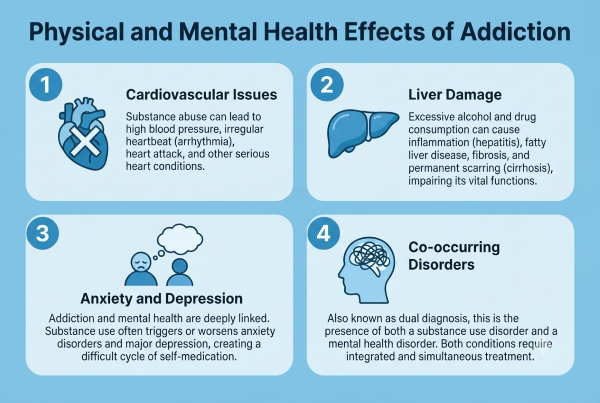
- Co-occurring mental health conditions like anxiety or depression
- Social environments that normalize the behavior
NIDA explains that repeated exposure to a rewarding substance or behavior causes surges of dopamine that reinforce pleasurable but unhealthy patterns, leading people to repeat them again and again.
Contact Solutions Healthcare
Battling with Drug and Alcohol Addition? Remember, you are not alone and we are here to help you!
Why is Quitting an Addictive Behavior So Difficult
Quitting an addictive behavior is so difficult because repeated engagement physically changes the brain’s reward circuitry, making the behavior feel necessary just to feel normal. Over time, the brain adapts to the surges of dopamine, which reduces the pleasure from the behavior itself and from everyday life.
Expert Advice: Don’t mistake a relapse for a failure of willpower.
This is why simply “deciding to stop” often isn’t enough on its own. The brain has learned to prioritize the behavior over other rewarding activities, even ones the person once genuinely enjoyed.
According to NIDA, these brain adaptations often leave a person less able to derive pleasure from things they once enjoyed, like food, relationships, or hobbies, which drives the cycle further.
Effects of Addictive Behavior on the Body and Mind
The effects of addictive behavior range from physical health decline to anxiety, depression, and impaired decision-making, depending on the substance or activity involved. Chronic stress on the body and brain compounds over time, even with behaviors that don’t involve a substance.
Common effects include:
- Physical health problems specific to the substance or behavior involved
- Increased anxiety, irritability, or depressive symptoms
- Difficulty concentrating, remembering, or making decisions
- Escalating tolerance, needing more of the behavior for the same effect
- Withdrawal-like symptoms when the behavior isn’t available
Effects of Addictive Behavior on Relationships and Family
Addictive behavior often erodes trust, communication, and stability within families long before the person struggling recognizes the full scope of the problem. Loved ones frequently notice the changes first, sometimes years before the person is ready to talk about it.
- Broken promises and inconsistent follow-through
- Increased secrecy or defensiveness around the behavior
- Financial strain, especially with gambling or shopping-related behaviors
- Emotional withdrawal from family activities and relationships
If you’re seeing these patterns in someone you love, Solutions Healthcare can help your whole family, not just the individual
100% Confidential Support is Available 24/7
No matter what you’re going through, you’re not alone. Our dedicated team is here to provide a safe, judgment-free space where you can talk openly and honestly. Whether you need emotional support, resources, or just someone to listen.
We’re here for you—completely confidential and always respectful of your privacy. Call us today!
How Addictive Behavior Differs From a Bad Habit
Addictive behavior differs from a bad habit in that it involves genuine loss of control and continues despite clear, escalating consequences. A habit is something you could stop with effort; addictive behavior resists stopping even when someone desperately wants to.
The clearest distinguishing signs include:
- Repeated failed attempts to cut back or quit
- Continuing the behavior despite damage to health, relationships, or finances
- Spending significant time engaging in, recovering from, or thinking about the behavior
- Experiencing real distress or physical symptoms when unable to engage in it
Treatment for Addictive Behaviors That Actually Works
Effective treatment for addictive behaviors combines evidence-based therapy, structured support, and often medical care, tailored to the specific behavior and any co-occurring mental health conditions. No single approach works for everyone, which is why a real assessment matters.
Approaches with strong evidence behind them include:
- Cognitive Behavioral Therapy to identify and change thought patterns driving the behavior
- Group therapy and peer support for accountability and connection
- Family therapy to repair relationships and build healthier support systems
- Dual diagnosis treatment when a mental health condition is also present
- Structured levels of care, from outpatient support to residential treatment
Research on addiction as a reward-deficit disorder emphasizes that recovery isn’t about willpower alone. It involves rebuilding the brain’s capacity to find reward in healthy activities again, a process treatment is specifically designed to support.
100% Confidential Support is Available 24/7
No matter what you’re going through, you’re not alone. Our dedicated team is here to provide a safe, judgment-free space where you can talk openly and honestly. Whether you need emotional support, resources, or just someone to listen.
We’re here for you—completely confidential and always respectful of your privacy. Call us today!
Addictive Behavior Support at Solutions Healthcare
If addictive behavior, whether tied to a substance or something else entirely, has become a struggle for you or someone you love, Solutions Healthcare offers evidence-based, dual-diagnosis care across Central Florida.
Our continuum of care includes dual diagnosis treatment for co-occurring mental health conditions, flexible intensive outpatient and outpatient treatment options, and residential treatment for those who need structured, immersive support. Our family therapy program helps loved ones rebuild trust and learn how to support recovery without enabling the behavior.
Across our four Central Florida treatment centers, our clinical team is accredited by The Joint Commission and licensed through the state of Florida, with every treatment plan built around a genuine assessment rather than a generic protocol.
Reach out through our contact page or call us directly at (386) 866-3600 to talk with someone who understands what you’re facing.
FAQs
What is addictive behavior?
Addictive behavior is a repeated pattern of substance use or activity that becomes compulsive over time, continuing despite harmful consequences. These behaviors are driven by changes in the brain’s reward system, which can make the behavior feel necessary even when it negatively affects health, relationships, or daily life.
What are common examples of addictive behaviors?
Addictive behaviors can involve substances or activities. Common examples include alcohol or drug use, gambling, gaming, compulsive shopping, disordered eating, excessive exercise, and problematic internet or social media use. Any behavior that repeatedly overstimulates the brain’s reward system can become addictive.
What causes addictive behavior?
Addictive behavior develops through a combination of factors rather than a single cause. Genetics, family history, early exposure, chronic stress, trauma, environmental influences, and co-occurring mental health conditions all contribute to risk, often interacting together to shape how addiction develops over time.
Why is quitting addictive behavior so difficult?
Repeated engagement changes brain circuits involved in reward, motivation, and self-control. Over time, the addictive behavior can feel necessary, while ordinary activities become less rewarding. These changes make cravings stronger and make stopping much more difficult than simply relying on willpower alone.
What are the effects of addictive behavior?
Addictive behavior can affect nearly every area of life, including physical health, emotional wellbeing, relationships, work, and finances. Common effects include anxiety, depression, impaired judgment, escalating tolerance, social isolation, and continued participation in behaviors despite growing negative consequences.
Is addictive behavior the same as a bad habit?
No. A bad habit is generally easier to stop with conscious effort, while addictive behavior involves measurable changes in brain function that create a loss of control. People often continue the behavior despite serious consequences and repeated unsuccessful attempts to stop on their own.
Can behaviors like gambling or gaming really be addictive without a substance involved?
Yes. Activities such as gambling and gaming can strongly activate the brain’s reward system, creating patterns similar to substance addiction. This is why certain behavioral addictions are recognized by mental health professionals and can require treatment similar to substance use disorders.
What treatment works best for addictive behaviors?
Treatment is most effective when tailored to the individual and the specific behavior involved. Approaches often include cognitive behavioral therapy, group counseling, family therapy, and structured levels of care, while addressing any co-occurring mental health conditions through integrated treatment whenever possible.
How do I know if a loved one’s behavior has become an addiction?
Warning signs include repeated failed attempts to stop, secrecy, neglecting responsibilities, continuing despite consequences, and spending significant time engaging in or recovering from the behavior. Changes in mood, relationships, finances, or daily functioning can also suggest that professional help may be beneficial.
Can addictive behavior be treated without treating an underlying mental health condition?
It is possible, but treatment outcomes are often stronger when underlying conditions such as anxiety, depression, trauma, or ADHD are addressed alongside the addictive behavior. Dual diagnosis care recognizes the close connection between mental health and addiction and treats both together.
Does insurance cover treatment for addictive behaviors?
Most major insurance plans provide some coverage for addiction treatment services, though benefits vary by policy and provider. Solutions Healthcare can help verify your insurance coverage, explain treatment options, and clarify any expected costs before beginning care.
Where can my family get help for addictive behavior in Central Florida?
Solutions Healthcare offers outpatient, intensive outpatient, and residential treatment programs across Central Florida for addictive behaviors and co-occurring mental health conditions. Families can also access counseling, education, and support services designed to strengthen long-term recovery and overall well-being.
References
- National Institute on Drug Abuse (NIDA) – The Neurobiology of Drug Addiction
- National Institute on Drug Abuse (NIDA) – Drug Misuse and Addiction
- National Institute on Drug Abuse (NIDA) – Understanding Drug Use and Addiction DrugFacts
- National Institute on Drug Abuse (NIDA) – Drugs and the Brain
- NIH/PMC – Addiction Is a Reward Deficit and Stress Surfeit Disorder
- Wikipedia – Addictive Behavior (referencing peer-reviewed sources)
- Solutions Healthcare – Dual Diagnosis Program
Medical Disclaimer: This blog is for informational purposes only and is not a substitute for professional medical advice, diagnosis, or treatment; please consult a qualified healthcare provider and visit Solutions Healthcare for personalized guidance.