
Choosing to quit marijuana is each person’s personal and positive choice for better health, clearer thinking, more functioning, and better control. For those who want to quit weed, it can be helpful to get to know the benefits of quitting. Solutions Healthcare offers 1:1 caring and supportive care for those seeking to alter their relationship with cannabis.
What Are the Benefits of Quitting Weed?
Giving up weed may lead to improved clarity, more focus, healthy lungs and breathing, consistent day-to-day schedules, and fewer weed issues. Solutions Healthcare can help educate the person about the symptoms of withdrawal, how to prevent relapses and how to improve their perspective while providing professional assistance.
Why Do People Quit Weed?
There are a variety of reasons why people quit using weed. Some would like to be better able to concentrate and sleep. Others just can’t take the price of cannabis anymore, they use it as their way to “feel good” or “get high,” or as a justification to make decisions.
The body and brain start to acclimate to not receiving regular doses of THC, which can start to make the advantages of giving up weed start to show. It affects our memory, attention, coordination, mood and our ability to react to things quickly and easily, in particular when we use cannabis both heavily and frequently.
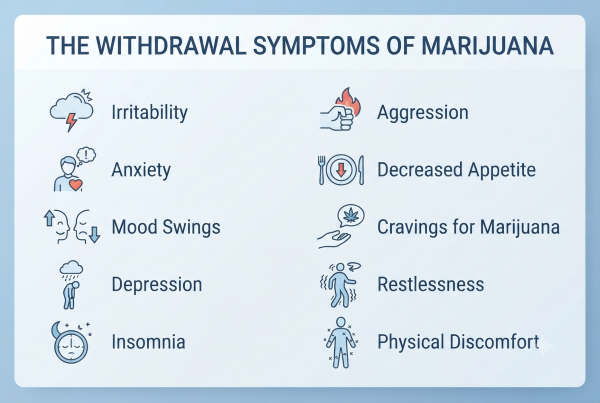
Another important point to remember is not all battles to overcome the habit are going to be easy. Those who use it often may have some irritability, anxiety, difficulty sleeping, loss of appetite, or headaches, or they may feel restless or crave for it after their last use.
Key Takeaways
- Quitting pot may result in benefits such as better concentration, fewer respiratory problems, and more control over day-to-day behaviors.
- Withdrawal symptoms can include irritability, difficulty sleeping, anxiety, cravings, and/or changes in appetite and can be short-term.
- The stop weed timeline is dependent on the frequency, duration, and potency of THC and on an individual’s health.
- The permanent symptoms of cannabis use, like cough and excessive salivation, can also go away over time.
- There is less evidence suggesting that quitting weed is beneficial for skin.
- If it becomes difficult to abstain from cannabis use, professional treatment can help.
Symptoms: What Happens When You Stop Using Weed?
To understand everything that’s great about people who do not smoke weed anymore, it is crucial to also realize that there are changes that are thrown in the mix as well. Those who use cannabis frequently might have withdrawal symptoms if they quit, although not everyone will.
Common symptoms include:
- Irritability or anger
- Anxiety or nervousness
- Restlessness
- Does not fall asleep easily or stays awake easily in the night
- Insomnia, vivid dreams, or unusual dreams.
- Reduced appetite
- Headaches
- Low mood
- Strong cannabis cravings
Studies reviewed by the National Institute on Drug Abuse suggest that signs and symptoms of withdrawal start within minutes to a few days after ceasing drug use and tend to be at the peak during the first week after withdrawal, but tend to improve in the subsequent weeks.
It can be an extremely early period period. Why can’t I feel better now after I quit, if it is better for me? The response is, that the short-term withdrawal is equivalent to the long-term withdrawal.
What Does the Quitting Weed Benefits Timeline Look Like?
There is no one-size-fits-all when it comes to schedules. In the first few days, cravings, irritability, changes in sleep and appetite may manifest. This is usually followed by a gradual improvement in these symptoms during the next few weeks.
In the absence of cannabis use, some individuals may experience tangible changes in concentration, routine, respiratory symptoms or in their ability to engage in their daily activities without using cannabis.
Causes: Why Can Quitting Weed Feel Difficult?
The challenges in addressing cannabis use relate to frequency and quantity of use, duration of cannabis use, potency of the cannabis (how strong the THC in the cannabis is), biologic differences among individuals and to the role cannabis plays in the individual’s life.
For example, if someone smokes weed every time he/she goes to sleep, he/she will learn that weed is associated with sleeping. It can also be used by others as they find themselves feeling stressed, bored, lonely or overwhelmed. Taking it off doesn’t necessarily remove those triggers.
Another part of cannabis is that it becomes a part of one’s routine and surroundings. While those patterns are repeated, they can start cravings and those cravings can tie back to certain familiar locations, people, sensations or actions.
About 30% of users of marijuana can also develop a marijuana use disorder, says the CDC, and users who use cannabis more often run a greater risk.
Diagnosis: How is Cannabis Use Disorder Identified?
Many people use marijuana without suffering the effects of CUD. Whether someone has developed a cannabis dependence is decided by a health professional to determine if there is a problem or if cannabis use is becoming difficult to control.
Evaluation of a clinical situation could include examining the following:
- How often/how much people use marijuana
- Attempts to lower or get rid of
- Appetites and abstinences.
- Work/school or home problems.
- Relationship difficulties
- Persistent use even when it has negative effects
- Time involved in getting, using or cleaning up after cannabis.
- Concerns around mental health and/or substance use issues.
Attempts to quit and relapsing back in the game of cannabis can be a serious red flag. Among signs of marijuana use disorder, the CDC considers unsuccessful attempts to quit or end important activities due to marijuana use to be a sign of failure.
There is a difference between a professional assessment and judgment of a person. This is in order to learn what is happening and to think about what support, if any, may be appropriate.
How Can You Stop Using Weed Successfully?
It’s easier to go for the quitting weed advantages when you have a realistic plan and not willpower alone. It can be particularly helpful when cravings are strong, past experiences of treatment have not worked, or if cannabis use is linked to anxiety, depression, trauma, and/or another substance abuse condition.
Behavioral Therapy
You can learn about things that you are thinking, feeling, or doing that might be triggering your cannabis use with CBT. Treatment can then be aimed at the creation of healthier responses.
Motivational strategies may also assist with making people aware of their motivation to quit and build their motivation for change. SAMHSA provides information about approaches to counseling for marijuana use that include motivational enhancement, cognitive behavioral techniques, and development of coping skills.
Managing Withdrawal
Some medical detox centers do not require intensive medical withdrawal, however, there may be something out there that makes it easier. Events related to sleep, eating, mood, anxiety, craving, and other behaviors can be monitored with assistance from a sleep provider.
At present, there’s no FDA-approved drug to treat specific marijuana use conditions, and behavioral interventions continue to play a role in treatment.
Building New Routines
Recovery doesn’t mean that you just have to quit using cannabis. It’s a pattern change, too.
Some tips that can help you include:
- Having a fixed sleep routine:
- Exercising regularly
- The presence of nurturing persons
- If you are in an early stage of recovery, go out of your way to stay out of any high-risk moments you may be in.
- Practicing stress-management techniques
- Finding ways to make things even and interesting
- Talking to a therapist who has information about triggers that cause strong feelings
With the addictive nature of cannabis, it can become hard to control. Contact Solutions Healthcare and explore options for treatment to fit your unique needs.
Ready to make a change?
Don’t do everything on your own! Contact Solutions Healthcare today to discuss cannabis use and cannabis withdrawal concerns and cannabis treatment options in a confidential, compassionate manner.

100% Confidential Support is Available 24/7
No matter what you’re going through, you’re not alone. Our dedicated team is here to provide a safe, judgment-free space where you can talk openly and honestly. Whether you need emotional support, resources, or just someone to listen.
We’re here for you—completely confidential and always respectful of your privacy. Call us today!
What Does Research Say About Quitting Weed?
Research suggests that several motivations might lead people to want to ditch their cannabis use, particularly if they use a lot or often.
The CDC states that heavy use of cannabis can cause impaired memory, attention and learning, which can last seven or more days following the last use of cannabis.
Another important area is that of respiratory health. Using cannabis actually harms the tissue in the lungs and causes mucus to build up, bronchitis and cough. CDC notes that these lung symptoms have been found to improve after marijuana is stopped by marijuana smokers.
These findings align with some of the more commonly discussed/understood withdrawal effects after ceasing to use THC; however, there are still cautions to affix to the predictions of what to expect. Everyone has their own versions of healing and even some of the changes are not the same following one’s healing as it is shown in the research.
What About Quitting Weed Benefits for Skin?
Research into how getting on without weed helps the skin is lacking, although some people find that they have improved skin since giving up cannabis. Improvements can instead be due to improved sleep, hydration, nutrition, less smoke exposure, or healthier habits.
It should be considered that the skin changes may be a personal one and not a medical ‘boon.’
Side Effects: Are There Downsides to Quitting Weed?
The downside of this might be the withdrawal; however, the major benefit, hopefully in the short term, might be the withdrawal! You may experience a temporary increase in irritability, anxiety, insomnia, loss of appetite, headache, difficulty sleeping, weird dreams, or cravings if you have taken large amounts of cannabis.
People sometimes think they have made a mistake in quitting because of such symptoms. However, there is no evidence that withdrawal is harmful to a person or that they require cannabis to perform normally.
Professional evaluation may be warranted if symptoms are severe, persistent, or have significant mental health issues.
The final goal does not include a “withdrawal.” It’s to help make life one where you don’t have to make decisions while on dope.
Review
The bottom line: More than just quitting cannabis, one can benefit from the quitting weed benefits. Healthier habits, a decrease in respiratory signs of smoking, enhanced concentration, and better control over choices can become significant components of the recovery process.
Prevention Tips: How Can You Avoid Returning to Weed?
Blocking relapse begins with learning what makes cannabis desirable to begin with. Was it stress? Sleep? Social pressure? Boredom? Anxiety? Once you know the why you’re able to create a better alternative.
Take these steps:
Identify triggers. Write down instances when the urge to use cannabis comes up.
Change routines. Substitute other activities for smoking cannabis, such as physical exercise, hobbies, social gatherings or relaxation techniques.
Protect your sleep. Follow a normal sleep schedule.
Build support. Get help from someone you trust or a therapist
Avoid putting yourself in such a position that you can put your life at risk when you’re still young. Encourage learning, experimentation, and practice.
Plan for cravings. Remember to stop wait for the urge to pass, and then materialize.
Seek help early. It’s not a requirement to let a lapse become a nostalgia lapse to use as a catalyst to return.
Professional support can provide something extra if cannabis use continues to affect relationships, responsibilities, mental health (mental well-being), or functioning.
Understanding the Benefits of Quitting Weed
The benefits of quitting weed can also include: Quitting may also experience temporary withdrawal symptoms after frequent and/or long-lasting use, however.
This isn’t necessarily something that occurs in a day. The bottom line, Chris Whelan, blogger at Kiawah Island Real Estate, says, “It’s about figuring out what sets you up for failure, acknowledging the emotions that arise, and creating new habits and enlisting help.
Some individuals can readily give up their dependency on marijuana. For others, it will require systemic treatment and maintenance. At any rate, it’s at least a move towards the right path, and if you are looking for help, don’t regard it as a fault.
Get Support From Solutions Healthcare
With Solutions Healthcare at your service, marijuana doesn’t have to be an unmanageable problem. Call our staff to talk about treatment, recovery services, and a cannabis-free life!
Medical Disclaimer
This blog is for educational purposes only and does not replace medical or mental health advice. Cannabis affects people differently. If you experience severe withdrawal symptoms, significant mood changes, breathing problems, or other concerning symptoms, speak with a qualified healthcare professional.
Frequently Asked Questions About Quitting Weed Benefits
1. What are the biggest benefits of quitting weed?
Potential benefits include clearer thinking, improved attention, fewer smoking-related respiratory symptoms, healthier routines, and greater control over daily life. Benefits vary based on frequency of use, THC potency, overall health, and whether cannabis caused problems before quitting.
2. How long does it take to feel better after quitting weed?
There is no universal timeline. Withdrawal symptoms can begin within several days, often peak during the first week, and gradually improve. Longer-term changes in sleep, concentration, mood, and routines may take additional time.
3. What are the benefits of quitting THC?
Potential benefits of quitting THC include reducing exposure to THC-related impairment and breaking patterns of cannabis use. People may also experience improved attention, healthier routines, and fewer cannabis-related problems, although individual outcomes differ considerably.
4. Does quitting weed improve your skin?
Some people may notice skin changes after quitting, but strong evidence for direct quitting weed benefits for skin is limited. Improvements could reflect healthier sleep, nutrition, hydration, or reduced exposure to smoke rather than quitting cannabis alone.
5. What happens during the first week after quitting weed?
The first week may involve cravings, irritability, anxiety, sleep disruption, appetite changes, restlessness, headaches, or vivid dreams. Symptoms are commonly strongest during the early abstinence period and generally become easier as the body adjusts.
6. Can quitting weed improve lung health?
Stopping smoked cannabis can reduce continued exposure to smoke that irritates and damages lung tissue. The CDC reports that cannabis smoking is associated with cough, bronchitis, and mucus production, and these symptoms generally improve after quitting.
7. Do I need treatment to quit weed?
Not everyone needs formal treatment. However, professional support can be valuable when cravings are strong, previous attempts have failed, cannabis use is affecting daily life, or another mental health or substance use concern is present.
8. What should I do if I cannot stop using marijuana?
Repeated unsuccessful attempts to quit can be a sign that additional support is needed. Consider speaking with a healthcare or behavioral health professional who can assess your cannabis use, identify triggers, and recommend appropriate counseling or treatment.
References:
- Centers for Disease Control and Prevention (CDC): Cannabis health effects, including information about brain, mental health, cardiovascular, and respiratory effects.
CDC Cannabis and Public Health - National Institute on Drug Abuse (NIDA): Information on marijuana use disorder, withdrawal, and treatment approaches.
National Institute on Drug Abuse - Substance Abuse and Mental Health Services Administration (SAMHSA): Treatment and counseling resources for substance use disorders and marijuana dependence.
SAMHSA Substance Use Treatment Resources - Content reference: US Drug Test Centers, “6 Benefits of Quitting Marijuana.” The source was used for general topic reference only, with health claims cross-checked against current government sources.