
Postpartum depression is a form of major depression that starts during pregnancy or in the months after giving birth. It can be of various lengths from person to person. In some cases, improvement takes place over the course of a few months; in others, it takes years, particularly if there is no support. Early screening and treatment reduce the duration of symptoms and the risk for permanent effects.
However, most PPDs last for several months, and if untreated, may persist for a year or more. The “baby blues” typically pass within the first two weeks following the birth of the baby, but postpartum depression does not go away easily. Many parents start feeling better within a few weeks of the start of care, either with therapy, medication, or both.
There is a difference between a personality trait and a medical condition: postpartum depression after birth. It is receptive and responds to care; the earlier you reach out, the sooner the fog tends to clear.
Struggling to see through the fog for weeks? For recommendations on confidential next steps, call with Solutions Healthcare.
Here is what the research says about timing, symptoms, causes, and treatment.
What is Postpartum Depression?
Postpartum depression (PPD) is a serious mood disorder that affects some people after childbirth and sometimes during late pregnancy. It causes lasting sadness, anxiety, emptiness, or numbness that makes daily life and baby care hard. It is more intense and longer-lasting than the baby blues, and it needs professional treatment.
Condition | When It Starts | How Long It Lasts | What It Needs |
Baby blues | First few days after birth | Usually under two weeks | Rest, support, and watching for changes |
PPD | Pregnancy or anytime in the first year | Months, sometimes years without care | Therapy, medication, or both |
Postpartum psychosis | Usually within the first weeks | Medical emergency | Immediate emergency care |
How Long Does Postpartum Depression Last?
For many people, PPD lasts several months, but no single timeline fits everyone. A National Institutes of Health study of about 5,000 mothers found that 1 in 4 had high depressive symptoms at some point in the three years after birth. For a small group, symptoms stayed high the entire time.
That NICHD study mapped four patterns of symptoms across three years:
Symptom Pattern | Share of Mothers | What It Looked Like |
Low and stable | 74.7% | Few symptoms at any point |
Moderate, then improving | 12.6% | Early symptoms that eased over time |
Low, then rising | 8.2% | Symptoms that grew later |
High and persistent | 4.5% | High symptoms for all three years |
NIH insight: “Six months may not be long enough to gauge depressive symptoms,” said lead author Diane Putnick, Ph.D. The team suggested screening for at least two years after birth. (NICHD, 2020)
Later onset is common too. In a 2023 CDC analysis, more than half of mothers with depressive symptoms at 9 to 10 months postpartum had not reported symptoms at 2 to 6 months. Feeling fine early does not rule out depression later.
Symptoms showing up months after birth? Call Solutions Healthcare and ask about a depression assessment.
Fact: About 1 in 4 mothers reported high depressive symptoms within three years.
100% Confidential Support is Available 24/7
No matter what you’re going through, you’re not alone. Our dedicated team is here to provide a safe, judgment-free space where you can talk openly and honestly. Whether you need emotional support, resources, or just someone to listen.
We’re here for you—completely confidential and always respectful of your privacy. Call us today!
What Are the Signs of Postpartum Depression?
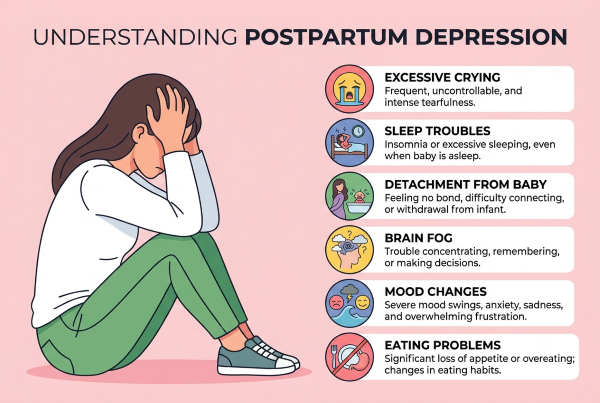
Signs of postpartum depression include persistent sadness, anxiety, or emptiness, crying often, trouble bonding with the baby, and losing interest in things you once enjoyed. Many people also feel guilty, worthless, or overwhelmed. Symptoms last most of the day, nearly every day, for two weeks or more.
Common postpartum depression symptoms include:
- Feeling sad, hopeless, numb, or constantly on edge
- Pulling away from your partner, friends, or family
- Sleeping too much, or not sleeping even when the baby sleeps
- Big changes in appetite
- Racing worries about the baby’s safety
- Doubting you are a good parent
- Thoughts of harming yourself or your baby
Contact Solutions Healthcare
Battling with Drug and Alcohol Addition? Remember, you are not alone and we are here to help you!
What Causes Postpartum Depression After Birth?
No single cause explains PPD. A sharp drop in hormones after delivery, exhausting sleep loss, and major life changes can all play a role. Risk rises with a personal or family history of depression, stressful life events, limited support, pregnancy complications, or a difficult birth. It can happen to anyone.
Key risk factors include:
- A past history of depression, anxiety, or bipolar disorder
- Depression during pregnancy
- Relationship stress or little help at home
- Financial strain or other major stressors
- A baby with health problems or a NICU stay
- Alcohol or drug use
Can Postpartum Depression Lead to Substance Use?
It can. Some parents drink or use drugs to numb anxiety, push through exhaustion, or sleep. That relief is short-lived and often deepens depression. CDC researchers note that anxiety and substance use frequently occur alongside PPD and can complicate diagnosis and treatment, so both issues need attention together.
A 2023 CDC report on postpartum substance use found that mothers with depressive symptoms, anxiety, or recent stressful events were more likely to use substances after birth. Treating depression alone, while ignoring alcohol or pill use, often leads to setbacks.
CDC insight: Co-occurring anxiety and substance use are common with PPD, and they can make diagnosis and treatment harder. (Preventing Chronic Disease, 2023)
Drinking or using to get through the day? Solutions Healthcare treats depression and substance use together
What is the Treatment for Postpartum Depression?
Postpartum depression treatment usually includes talk therapy, medication, or both. Cognitive behavioral therapy and interpersonal therapy help change draining thought patterns and strengthen support. Antidepressants help many people. The FDA has also approved zuranolone, a 14-day pill made specifically for PPD. Severe cases may need more intensive programs.
Treatment Option | How It Helps | Good to Know |
Talk therapy (CBT, IPT) | Builds coping skills and eases isolation | Works alone for mild to moderate cases |
Antidepressants | Rebalance mood over several weeks | Many options work while breastfeeding; ask your doctor |
Zuranolone (Zurzuvae) | Pill taken nightly for 14 days | No driving for at least 12 hours after each dose |
Intensive outpatient care | Several therapy sessions per week | Helps when weekly therapy is not enough |
Integrated dual diagnosis care | Treats depression and substance use together | Important when drinking or drug use is involved |
According to the FDA’s 2023 approval announcement, clinical trials showed zuranolone improved symptoms more than placebo, with benefits lasting at least four weeks after the final dose.
100% Confidential Support is Available 24/7
No matter what you’re going through, you’re not alone. Our dedicated team is here to provide a safe, judgment-free space where you can talk openly and honestly. Whether you need emotional support, resources, or just someone to listen.
We’re here for you—completely confidential and always respectful of your privacy. Call us today!
What Helps You Recover From Postpartum Depression Faster?
Recovery moves faster with early treatment, protected sleep, real help at home, and honest check-ins with your care team. Staying away from alcohol and drugs also matters, since they worsen mood. Keep up with screenings through your baby’s first year, because symptoms can shift or return months later.
- Protect sleep in shifts. Trade night feedings with a partner or helper when possible.
- Say yes to help. Let others cook, clean, or hold the baby while you rest.
- Move a little each day. A short walk outdoors can lift energy and mood.
- Stay connected. Peer support groups for new parents ease isolation.
- Track your mood. Share changes with your doctor at every visit.
Expert Advice: Ask for depression screening at every checkup through your baby’s first year.
When is Postpartum Depression an Emergency?
PPD becomes an emergency if you have thoughts of harming yourself or your baby or signs of postpartum psychosis. These include confusion, hearing or seeing things others do not, extreme paranoia, or not sleeping for days. Call 911 or go to the nearest emergency room right away.
For round-the-clock support, call or text the National Maternal Mental Health Hotline at 1-833-TLC-MAMA (1-833-852-6262). You can also call or text 988 for the Suicide and Crisis Lifeline.

100% Confidential Support is Available 24/7
No matter what you’re going through, you’re not alone. Our dedicated team is here to provide a safe, judgment-free space where you can talk openly and honestly. Whether you need emotional support, resources, or just someone to listen.
We’re here for you—completely confidential and always respectful of your privacy. Call us today!
How We Support Postpartum Depression Treatment
Solutions Healthcare is a Central Florida behavioral health network that treats depression, anxiety, and co-occurring substance use. SHC does not replace your OB or midwife. Its clinicians can work alongside your medical team when depression, drinking, or pill use has taken hold after birth.
Care starts with a confidential assessment that points you to the right level of support. Options across the network include the Outpatient Treatment Program, the Intensive Outpatient Program, and the Dual Diagnosis Program for depression with substance use. Therapies include cognitive behavioral therapy and a family therapy program that helps partners learn how to support recovery.
FAQs
How long does postpartum depression last without treatment?
Postpartum depression can last for many months and, in some cases, longer when untreated. Symptoms vary considerably between individuals. Research has found that some mothers experience persistent depressive symptoms for years after childbirth. Early assessment and appropriate treatment can reduce symptoms, improve functioning, and support recovery for both parent and baby.
What is postpartum depression?
Postpartum depression is a depressive disorder that can develop during pregnancy or after childbirth. It may involve persistent sadness, anxiety, hopelessness, irritability, loss of interest, exhaustion, or difficulty bonding with the baby. Symptoms can interfere with daily functioning, relationships, self-care, and the ability to manage normal responsibilities.
What are the first signs of postpartum depression?
Early signs may include persistent sadness, frequent crying, irritability, anxiety, withdrawing from loved ones, loss of interest, or feeling overwhelmed. Some people experience difficulty sleeping even when the baby is asleep, changes in appetite, or difficulty bonding with their baby. Symptoms that persist deserve professional evaluation.
What is the treatment for postpartum depression?
Treatment commonly includes psychotherapy, medication, or a combination of both. Evidence-based approaches include cognitive behavioral therapy and interpersonal therapy. Antidepressants may also be prescribed when appropriate. Zuranolone, an oral medication specifically approved for postpartum depression, is another treatment option that a healthcare professional may consider.
How do I know if it is baby blues or postpartum depression?
The baby blues are common after childbirth and typically improve within about two weeks. Postpartum depression is more persistent, severe, or disruptive and may involve intense sadness, anxiety, hopelessness, or difficulty functioning. If symptoms last beyond two weeks, worsen, or interfere with daily life, contact a healthcare professional.
Can postpartum depression start months after birth?
Yes. Postpartum depression does not always begin immediately after delivery. Symptoms can develop weeks or months later, and some parents may first recognize significant symptoms several months after childbirth. Because timing varies, persistent changes in mood, anxiety, sleep, functioning, or bonding should be discussed with a healthcare professional.
What causes postpartum depression?
Postpartum depression usually develops through a combination of biological, psychological, and social factors rather than one single cause. Hormonal changes, sleep disruption, stress, previous depression, pregnancy complications, and limited support can contribute. Substance use may also complicate symptoms or recovery, making comprehensive assessment and appropriate support important.
Can postpartum depression come back?
Yes. Someone who has experienced postpartum depression may develop depression again during a later pregnancy or postpartum period. Previous depression can increase vulnerability, although recurrence is not inevitable. Maintaining regular healthcare appointments, recognizing early warning signs, and having a treatment or support plan can help address symptoms promptly.
Can dads or partners get postpartum depression?
Yes. Fathers and non-birthing partners can experience depression after a baby arrives. Sleep deprivation, relationship changes, financial pressure, stress, and a partner’s postpartum depression can contribute to risk. Symptoms may include irritability, withdrawal, sadness, anxiety, or loss of interest. Partners experiencing persistent symptoms should seek professional evaluation.
Is it safe to take antidepressants while breastfeeding?
Many antidepressants can be used during breastfeeding, but safety depends on the specific medication, dosage, the parent’s health, and the infant’s circumstances. Some medications have more breastfeeding safety data than others. A healthcare professional can weigh potential benefits and risks and help select an appropriate treatment option.
References
- National Institute of Mental Health. Perinatal depression.
- Eunice Kennedy Shriver National Institute of Child Health and Human Development. (2020). Postpartum depression may persist three years after giving birth. Based on Putnick, D. L., et al., Pediatrics.
- Centers for Disease Control and Prevention. (2023). Timing of postpartum depressive symptoms. Preventing Chronic Disease.
- Centers for Disease Control and Prevention. (2023). Association of mental health conditions, recent stressful life events, and adverse childhood experiences with postpartum substance use: Seven states, 2019–2020. Morbidity and Mortality Weekly Report.
- U.S. Food and Drug Administration. (2023). FDA approves first oral treatment for postpartum depression.
- U.S. Preventive Services Task Force. (2019). Perinatal depression: Preventive interventions.
- Health Resources and Services Administration. National Maternal Mental Health Hotline.
- 988 Suicide and Crisis Lifeline. 988lifeline.org.
- Solutions Healthcare. Dual Diagnosis Program.
This article is for informational purposes only and should not replace professional medical advice, diagnosis, or treatment. If you or someone you know is struggling with substance use, contact Solutions Healthcare or visit shc.health to learn about available treatment options.