Quick answer: A drug overdose can occur in a person who has a substance use disorder, but an overdose is not a sign that the person was an “addict.” An overdose can happen the first time someone uses it, and addiction is a longer-term problem that’s characterized by compulsive drug use and frequent loss of control over the drug.
The short answer to that is yes, but the terms don’t mean the same thing. Anyone who uses drugs is a person who uses drugs, and anyone who has continued use despite negative consequences is addicted. People who have suffered from addiction and those who don’t have an addiction may experience an accidental overdose or drug overdose. Also, after the first use, NIDA reports that cocaine can trigger various severe medical issues that can include heart rhythm problems, heart attack, seizures, strokes, and even sudden death.
Key Takeaways
- An overdose doesn’t automatically equal an addiction.
- Someone can get an accidental overdose from the presumed or intentional or occasional use of drugs.
- Addiction is an ongoing behavior with substances that you may find hard to disrupt.
- Cocaine’s effects are potentially life-threatening; among those effects are heart attack, seizure, stroke, and coma.
- Overdose can be more likely when mixing cocaine with any other drug.
- The symptoms of a drug overdose may be life-threatening and need an immediate response from emergency medical services.
- In some cases, an accidental overdose may be important information that medical evaluation should be considered.
What is a Drug Overdose?
A drug overdose (also called an OD) is a result of a person taking a drug in amounts or concentrations that the body cannot safely handle or process.
An overdose may be accidental or intentional and may include any of the following types of drugs: prescription drugs, over-the-counter, alcohol, and illicit drugs.
For instance, a person can take more of a medicine that is previously prescribed or a mix of medicines before, or use an illegal drug that contains a medicine without their knowledge. Someone who regularly takes drugs can also accidentally be taking a quantity of drugs that can become dangerous.
This is important because each of the words “overdose,” “drug use,” and “addiction” refers to something different.
Is an Addict a Drug User?
Yes. If it is a drug, then a person with an addiction is also considered a drug user. But all drug users do not necessarily have addictions.
The use of respectful language is also important. Terminology like “a person experiencing addiction” or “a person with a substance use disorder” is used by healthcare workers in place of “an addict.” This does not emphasize the illness but focuses on the illness situation.
A person may use a drug and not get addicted to it. However, frequent drug use can trigger normal effects of the brain’s systems that can result in compulsive use. Animal research shows that frequent cocaine use can cause long-term changes in brain reward systems that can lead to addiction, NIDA says.
Just because a person overdoses does not necessarily mean he is addicted.
Drug Use vs. Addiction
Drug use may be frequent, which means someone takes a drug without knowing what it is or when it is his or hers.
Addiction is different. It is usually characterized by a persistent trend and a person continues to use substances even in the face of their potentially harmful effects on health, relationships, work, school, finances, or other areas of life.
Consider two examples:
Medication is administered, and the person gets very ill. This doesn’t necessarily indicate addiction.
Someone continues to take drugs or alcohol, particularly cocaine, despite the negative effects it has on their health, relationships, and finances, and cannot stop. That may be a pattern and suggest the possibility of a substance use disorder.
Then the situation of an overdose becomes a factor.
How Can an Accidental Overdose Happen?
Overdoses can occur due to several things. A person might incorrectly estimate doses or take multiple drugs or a drug that has an unwanted component.
NIDA cautions that the drug manufacturer may add fentanyl to cocaine without the cocaine user being aware of the presence of the fentanyl. This may lead to a medication overdose. Cocaine also can cause severe heart or nerve damage, and it may cause an overdose unexpectedly.
Other drugs can be used in conjunction with cocaine. But mixing cocaine with other drugs or alcohol can present extra dangers, says NIDA.
That’s why it’s imperative to never assume that a person is “safe” just because they have previously consumed the same substance without an emergency.
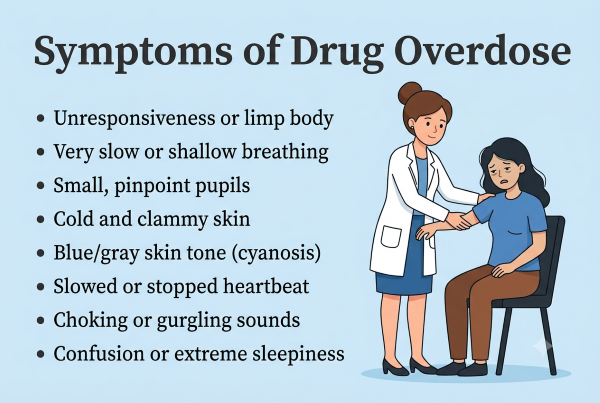
Drug Overdose Symptoms to Watch For
Symptoms of drug overdose are dependent upon the amount consumed, the drug(s) involved, and the presence of other drugs taken along with the overdosed drug(s).
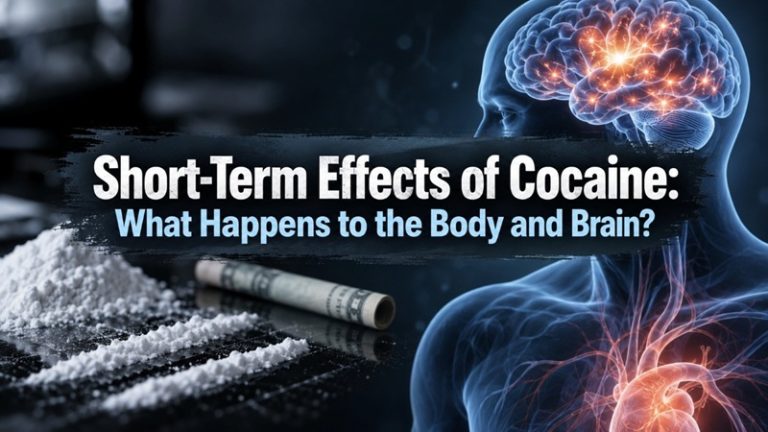
Cocaine may have potentially serious side effects, such as:
- Irregular heart rhythm
- Heart attack (also called chest pain)
- Seizures
- Stroke
- Very high body temperature
- Difficulty breathing
- Not eating due to intense stress or concern
- Hallucinations
- Medically unresponsive or unconscious coma.
According to the NIDA, cocaine use can lead to serious cardiovascular and neurological side effects such as heart attacks, seizures, strokes, and coma. Sudden death can also occur from unforeseen circumstances.
If you think they might have an overdose, it’s a medical emergency!
Immediately, contact 911 or your local emergency number. Avoid worsening symptoms.
Accidental Drug Overdose Initial Encounter: What Happens Next?
The initial encounter for an accidental drug overdose typically is the first evaluation or treatment in response to an accidental overdose. When a person is in crisis, doctors first work to treat the person to make the crisis stable and then try to find out what substances may have been used.
Once the emergency is taken care of, healthcare specialists could recommend further evaluation.
Evaluation may help to distinguish between single incidences of overdoses and chronic patterns of substance abuse. A person can receive an assessment of drug use, periods of craving, attempts to quit drugs, periods of detoxing, mental and physical health status, and how drug use impacts the person’s life.
An overdose can be alarming for the person and his/her family. It can also allow someone to raise an essential inquiry: What must be changed so that this may never occur once again?
Need Help After an Overdose?
An overdose can happen to anyone, or a loved one can overdose without warning, without needing to figure it out alone. Of course, for the unique needs of each individual, Solutions Healthcare can be of service to explore appropriate addiction and/or behavioral health treatment solutions. Learn what services are available to get back on the path to a safer and healthier recovery.
Drug Overdose as a Result of Prescription Drug Abuse
A drug overdose can occur with the abuse of a prescription medication, a dose that is taken in excess of the recommended dosage, a combination of medications that may not have been prescribed for the patient, or a manner of taking a medication for which its prescriber did not intend.
But complete adherence to a prescription drug’s instructions does not necessarily result in addiction, nor does an overdose prove the existence of a drug addiction disorder.
It is important to focus on the overall behavior.
A professional assessment may be warranted if someone is consistently self-medicating in ways that are not recommended by their prescriber(s), is not ready to stop taking the medication, is getting the medicine from more than one source, or is still taking it even though they are suffering serious negative consequences.
Why an Overdose Does Not Automatically Mean Addiction
One might think that an overdose equals addiction. This exclusion can be unhelpful, and it can lead to stigma too.
The first use of a substance can lead to an overdose. Cocaine-related sudden death may happen the first time or at any time following ingestion, NIDA reports.
Meanwhile, an overdose could be a serious red flag that an individual has a greater problem with drugs or alcohol.
The best question isn’t, “Was this their downfall because they were an addict?”
The more apt question is
What’s happening at this time in this person’s life, and what kind of help does he or she require?
By doing that, a healthcare professional can take a different, more holistic approach to the support they give an individual, instead of basing it on one occurrence.
How Is Drug Overdose Determined?
When deciding if an overdose was intentional, facts and the medical history must be analyzed.
All of these may be taken into account by healthcare professionals: the chemicals used, medical history, family and witness statements, and other evidence at hand.
The medical examiner/coroner’s investigation will determine the manner of death in a fatal case.
What is important is that the word “accidental” is used for intent. This is in no way indicative that the drug was not dangerous, nor is it a measure that the individual did not have a substance use disorder.
Can Someone Recover After a Drug Overdose?
Yes. Don’t let an overdose bring someone’s story to a close. Can turn into a turning point.
Recovery can be healthcare, behavioral, addiction, mental health, family, peer, and/or a combination of services.
The best method is different for each individual depending on their substance use, physical/medical health, mental health, living environment, support, and treatment goals.
Professional assessment will be beneficial if cocaine or a substance is involved to evaluate if ongoing substance use poses a risk and if treatment is indicated.
When it comes to overdose, the message is clear: An overdose is a warning, not a label.
An overdose and an addict are not the same; hence the question, “Accidental Drug Overdose: Is

An Overdose Is a Warning, Not a Label
An individual may consume medications without being addicted or even hooked. An accidental overdose can occur with a person with addiction. And someone can experience an overdose without intending to take a dangerous amount.
If someone has overdosed, it is important to remember what they have taken and the best way to react.
Changing the attitudes of family members to seek an addiction assessment can be part of that. It can be about conducting an honest assessment of a person’s life who has survived a drug overdose, and maybe about professional help.
Worried about repeat drug use, overdose, or the potential for addiction? Solutions Healthcare can help you explore treatment and recovery options. Feel free to call today to explore the available options that might be right for you or someone you love.
Disclaimer
This blog is intended for general educational purposes and is not a substitute for medical, psychological, psychiatric, legal, insurance, or emergency advice. An overdose can be life-threatening. If someone is unconscious, having trouble breathing, experiencing a seizure, showing severe agitation, or otherwise appears seriously ill after taking a drug, call 911 or your local emergency service immediately. Treatment decisions should be made with qualified healthcare professionals.
Frequently Asked Questions
What does an accidental drug overdose mean?
An accidental drug overdose means a person experiences serious or potentially fatal effects after taking a drug without intending to cause an overdose. It may involve prescription medication, illicit drugs, multiple substances, or an unexpected substance.
Do addicts admit they are addicts?
Not necessarily. A person experiencing addiction may not recognize the problem, may feel ashamed, or may fear judgment. Some people recognize their substance use is harmful but still struggle to stop or seek treatment.
Would a drug overdose be considered an accidental death?
It can be. If an overdose was unintentional, the death may be classified as accidental after reviewing the circumstances and available medical or investigative evidence. The exact classification depends on the findings of the appropriate authorities.
Why is it called an accidental overdose?
It is called accidental when the person did not intend to cause an overdose or death. The term describes intent, not whether the person had addiction, whether drug use was risky, or whether the substance was legally prescribed.
How is an accidental overdose determined?
An accidental overdose is determined by examining medical findings, toxicology when available, the person’s history, circumstances surrounding the event, and other evidence. For fatal cases, a coroner or medical examiner may determine the manner of death.
Does life insurance cover accidental drug overdose?
Coverage depends on the specific policy, exclusions, circumstances, and applicable law. An overdose is not automatically excluded from every policy. Families should review the policy and speak with the insurer or a qualified professional.
How often do accidental overdoses happen?
Accidental overdoses occur frequently enough to remain a major public health concern. The CDC reports that most U.S. drug overdose deaths are classified as unintentional, although rates change over time and vary by substance.
Who died of an accidental drug overdose?
Many different people have died from accidental drug overdoses, including people with substance use disorders and people without a known history of addiction. A specific person’s cause and manner of death should be confirmed through reliable official records.
What counts as a drug overdose?
A drug overdose occurs when a drug produces toxic effects that can cause serious illness, life-threatening complications, or death. It can involve one substance or multiple substances and may be intentional or unintentional.
References
The primary informational reference requested for this article is the National Institute on Drug Abuse (NIDA) resource on cocaine, which discusses cocaine’s effects, overdose risks, addiction, and related health complications. National Institute on Drug Abuse: Cocaine
For additional public-health information about overdose definitions and U.S. overdose mortality data, see the CDC National Center for Health Statistics. CDC: Drug Overdose Deaths in the United States
For broader addiction and substance-use information, see the National Institute on Drug Abuse. NIDA: Drug Use and Addiction