
Quick Answer: Smell of cocaine? Pure cocaine does not have a noticeable unique scent, but street cocaine may contain chemicals or medicine that give it a small scent. Crack may also give off a very penetrating scent that resembles burning plastic or burning rubber when the crack is smoked.
What Does Cocaine Smell Like?
So, what does the smell of cocaine look like? There’s no one particular scent that indicates a substance is cocaine. Street cocaine can smell like chemicals or have a medicinal or solvent smell, and even pure cocaine may be essentially odorless. When someone sniffs crack cocaine, they will typically experience a much more intense odor, since this drug is heated and inhaled.
Solutions Healthcare knows that the question of cocaine will likely come from concern for a loved one. One can have a sense of smell, but it is never drug use evidence.
Why are People Asking What Does Cocaine Smell Like?
Occasional chemical odors in a bedroom, vehicle, bath, or on clothes cause people to ask themselves, “Where does this smell come from? Sometimes families look for “What Does Cocaine Smell Like?” when they smell a scent that is not known to them, like in their bathrooms, and observe that something in the family’s actions is not right.
Smell alone can’t be used to confirm cocaine use; the important thing to know is . . . . . . The odor of illegally sold cocaine can vary based on processing, storage or usage and the drug can contain different additives. Studies also indicate that although the smell of cocaine may be caused by volatile chemicals and chemicals from the cocaine processing itself, it does not necessarily mean that it involves the cocaine molecule.
Families may benefit from understanding the difference between powder cocaine and crack cocaine to help them identify potential red flags and not make assumptions.
Key Takeaways
- What Is the Coke Smell? Cocaine does not have a definite single smell.
- Cocaine may have no scent at all, or it may only have a minimal scent when it is in its purest form.
- Due to processing and the additives used, street cocaine may have a chemical, medical, or solvent odor to it.
- Smoked crack cocaine is often infused with a crisp, acrid, smokelike scent.
- With cocaine, you can’t use the sense of smell to gauge purity, contents or safety.
- The changes in behavior and the body might be more telling signs than smell alone.
- When viewing a suspected cocaine issue, professional assessment is the safest route to tackle the situation.
What Does Cocaine Smell Like in Different Forms?
What does pure cocaine smell like?
Tracking down what pure cocaine smells like is often a question people want answered when doing research on the internet can leave them puzzled. Cocaine hydrochloride is chemically pure, with minimal natural offensive smell. Some cocaine samples may also have a noticeable odor, which is not the pure cocaine itself but rather chlorinated solvents or other chemicals added to the street version of cocaine.
That’s why one should not use a home test for smell. Two pills or areas that have different appearances or smells may be cocaine, and a non-cocaine substance might create another chemical smell.
Powder cocaine is a white, powdery substance; crack cocaine is small, irregular solid rocks, according to the Drug Enforcement Administration.
What does crack cocaine smell like?
Crack cocaine does not smell the same as powder cocaine if you’re wondering what crack cocaine smells like. The smoke from crack is visible and smells like smoke. It is sometimes described as ‘acidic,’ sharp, ‘chemical-like,’ or like burning plastic or rubber.
Odors can persist in interior spaces, fabrics, furniture, or other absorbent materials. This description, however, cannot be used with certainty to identify the crack.
What does burning crack cocaine smell like?
How does crack cocaine smell when it’s burned? Crack can release a strong, burning, chemical smell when it is heated. If the preparation has not been used, the odor can be more intense than that of the unused powder because during heating, the drug and sample will give off the volatiles in the mixture.
Do not deliberately smell an unknown substance to determine what it is. Use of illegal drugs or their smoke can pose health and safety hazards.
What Signs May Accompany Cocaine Use?
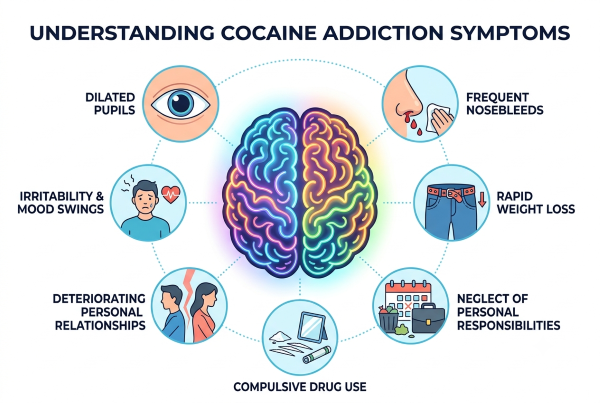
It is important to know What Does Cocaine Smell Like? But changes in behavior and physical appearance are usually the primary factors when someone is worried about a possible cocaine use problem.
Possible symptomatology may be
- More energy, waking up or being more active
- Irritability/agitation, anxiety, or paranoia.
- Reduced appetite
- Trouble sleeping
- Dilated pupils
- An increase in the heart rate or blood pressure
- Regular nosebleeds or irritated nose from cocaine use
- Audible vocalization
- Financial and/or relationship troubles.
- Compelling need to use the product, or inability to stop use.
According to NIDA, cocaine can have effects on the cardiovascular and nervous systems and lead to severe health problems, such as heart attack, stroke and seizures. Crack can also damage the lungs and make asthma worse.
No single sign is evidence of cocaine use. If there are a series of changes, then a calm and supportive conversation and a professional evaluation, where applicable, are warranted.
Why Does Cocaine Have Different Smells?
Several factors can affect cocaine’s smell.
Processing: Leftover chemicals and/or by-products from the manufacturing process can add to an odor.
Adulterants: Illicit cocaine can be laced with other chemicals, altering its color and odor.
According to the DEA, cocaine is often “cut” with other substances.
Form: Powder cocaine and cocaine base are going to be different in terms of form.
Heat: Volatile compounds released into the air change as a result of smoking, and can cause the smell to be more noticeable.
Storage: Packaging materials, surrounding conditions, and contamination can all impact odors.
These factors mean there is no reliable odor profile available to alert individuals to either what type of drug it is, the purity of cocaine, or even whether it is safe.
How is Cocaine Use Diagnosed?
There is no smell diagnostic test for cocaine use disorder. Doctors and other health care workers usually take into consideration the person’s drug or alcohol use history, physical symptoms, psychological symptoms, drug or alcohol use habits, and the impact on functioning.
Some questions a clinician might ask are related to craving, frequency of drug use, cessation efforts to quit, relationships, work or school activities, sleep habits, mood changes, and physical symptoms. Drug testing can also be warranted as clinically appropriate.
It is important to keep in mind that a positive drug test alone does not identify or explain everything about an individual’s actions or evaluate the severity of the drug dependence disorder. The CDC indicates that clinical urine testing will be able to detect drugs like cocaine but will have limitations, such as not being able to determine if the individual used the drug on purpose or by accident.
A good assessment considers the person as a whole and not just a clue.
How Is Cocaine Use Treated?
Cocaine treatment involves action plans to end or decrease cocaine use, control the urge to use, work through underlying mental health issues, and develop a long-term strategy for recovery.
Treatment may include:
Behavioral therapy
Evidence-based behavioral strategies can be used to assist in identifying triggers, altering patterns associated with substance use, practicing coping skills and enhancing behaviors in recovery. SAMHSA offers information about stimulant use disorders, which includes an overview of effective ways to address stimulant-related issues, including cocaine use.
Individual counseling
Individual counseling provides an individual opportunity to discuss sources of stress, trauma, relationships, emotional needs, and factors that can lead to cocaine use in private.
Mental health treatment
Substance misuse can go hand-in-hand with some form of anxiety, depression, trauma-related symptoms, and/or mental health issues. Treating both areas may be necessary for recovery to be effective over the long haul.
Structured treatment programs
The level of services can range from outpatient care, intensive outpatient services, residential treatment, or other levels of care based on the individual’s needs.
Relapse-prevention planning
When people stop using cocaine, recovery doesn’t stop. Changing triggers, establishing healthy habits, building a support network, and knowing what to do during cravings can all decrease the risk of relapse.
If you or someone you love is struggling with cocaine use, Solutions Healthcare can help you explore appropriate treatment options and take the next step to recovery. Call today for a discreetly offered consultation and assistance.
What Does Scientific Research Say About Cocaine Odor?
The smell of cocaine is not as simple as saying that “cocaine smells like” one thing, as scientific evidence indicates.
Researchers dealing with the odor of drugs have identified different compounds that are present in the volatile body of cocaine, among which are aromatic compounds like methyl benzoate, methyl cinnamate, and benzoic acid. The results indicate that odor can be controlled by compounds that are emitted from the drug and compounds that are by-products of drug manufacture and degradation.
This will also answer the question of why there are varying descriptions of the smell of cocaine. Smoking can cause changes, and there can be different chemical compositions in the different samples.
Most importantly, the practice of analyzing the smell in a research environment is nothing like trying to determine what something is just by sniffing around at home.
What Are the Side Effects and Risks of Cocaine?
Cocaine is a strong stimulant and can have serious health consequences. Immediate side effects may consist of: a higher heart rate, higher blood pressure, a sense of nervousness, restlessness, and feelings of fear. Severe complications may include seizures, stroke, heart attack and life-threatening heart and blood vessel issues.
The unpredictable supply of illegal drugs is also a concern. Of course, man-made fentanyl may be added to cocaine without the individual’s knowledge, and man-made fentanyl is not detectable by sight, taste, or smell.
This makes using smell highly hazardous.
What Should You Remember?
When looking for answers to the question “What Does Cocaine Smell Like?”, keep in mind that a smell can only be a hint, not a definitive piece of evidence. Street cocaine and crack can smell of chemicals or burnt skunk, whereas the purity of the drug may result in minimal or no smell of the drug as it leaves the lab. A professional assessment is much more accurate.
What Should Families Do?
Do not make an automatic assumption of drug use if a person’s behavior or “scent” seems suspicious. Pick a quiet time and let them know you’re concerned, but not blaming.
Helpful steps include:
- Pay attention to things that change: Discuss the facts, don’t assume.
- Do not handle unknown materials. Avoid touching, tasting, burning, or deliberately sniffing any medications suspected to be drugs.
- Safeguard children and pets. Avoid exposure to unclean locations, smoke, and powders.
- Encourage professional help. A qualified health professional is capable of evaluating the consumption and health-related issues associated with drugs.
- DO pay attention to urgent symptoms. If the child continues to experience chest pain, seizures, severe confusion, loss of consciousness, or serious breathing problems, they need immediate medical attention.
- Remember fentanyl risk. Cocaine can be mixed with fentanyl without any noticeable scent.
- Prevention is not training the person to be a drug identification expert. It’s about being alert and taking precautions when you think something might be wrong.

What Does Cocaine Smell Like?
What is the smell of cocaine then? There’s no easy solution. The smell of pure cocaine is barely noticeable or non-existent, and street cocaine can smell somewhat chemical or medicinal due to the process of making cocaine or due to additives. Smoked crack cocaine can produce a more intense acrid and burnt odor.
But smelling is not a method of identifying drug use, an unknown drug, or if a drug is safe. Professional help can clear the path forward should you have concerns about your own or a loved one’s.
Get Help From Solutions Healthcare
You don’t need to deal with a concern regarding cocaine use by yourself. Solutions Healthcare provides treatment to anyone struggling with substance abuse and mental health issues. Call the staff today and discover treatment alternatives and take an initial, confidential step towards recovery.
Medical Disclaimer
This blog is for educational purposes and should not be used to identify an unknown substance by smell. Odor can vary considerably, and smelling or handling an unknown drug may be unsafe. A healthcare professional can provide appropriate assessment, testing, and treatment when cocaine use is suspected.
Frequently Asked Questions
What are the best inpatient mental health facilities in Florida?
The best inpatient mental health facility depends on a person’s diagnosis, safety needs, treatment goals, location, and insurance. A qualified mental health professional can help determine whether inpatient care or another level of treatment is appropriate.
What drugs cause body odor?
Some drugs may contribute to unusual body odor through sweating, dehydration, metabolic changes, poor hygiene, or contaminants. Alcohol, stimulants, and some medications can affect body odor indirectly, but unusual odor alone cannot identify a specific drug.
What is the old lady’s smell called?
“Old person smell” is commonly associated with a compound called 2-nonenal, which can increase with age as skin chemistry changes. It is not necessarily caused by poor hygiene and does not automatically indicate illness or medication use.
Why does my husband suddenly smell bad?
A sudden change in body odor can have many causes, including diet, sweating, medications, hygiene, infections, metabolic changes, or other health conditions. If the change persists or comes with other symptoms, a healthcare professional should evaluate it.
What drugs cause urine odor?
Some medications and substances can change urine odor, but smell is not a reliable way to identify drug use. Hydration, diet, infections, vitamins, and metabolic conditions can also alter urine odor and should be considered.
What drugs cause phantom smells?
Phantom smells, called phantosmia, can occur for many reasons and should not automatically be attributed to drug use. Respiratory infections, migraines, neurological conditions, medications, and other factors can cause someone to perceive an odor that is not present.
What are some weird smells people enjoy?
People can enjoy unusual smells such as gasoline, fresh asphalt, permanent markers, rain, chlorine, or earthy soil. Smell preferences vary widely because odor perception is influenced by memory, experience, culture, and individual brain processing.
What body odor can indicate an illness?
Certain unusual body odors can sometimes occur with medical conditions, but odor alone cannot diagnose illness. Persistent fruity, ammonia-like, fishy, or unusually sweet odors may warrant medical evaluation, particularly when accompanied by other physical symptoms.
What does it mean if you smell phantom smells?
If you smell something that nobody else can detect, it may be phantosmia. It can have several causes, including infection, migraine, medication effects, or neurological conditions. Persistent or new phantom smells should be discussed with a healthcare professional.
Authoritative references:
- National Institute on Drug Abuse: Cocaine Research and Information
- DEA Cocaine Drug Fact Sheet ·
- SAMHSA: Treatment of Stimulant Use Disorders ·
- CDC: Polysubstance Use Facts ·
- CDC: Fentanyl Facts