

When someone is on methamphetamine, the skin tells a story: open wounds, scabs in various stages of healing, and scars that didn’t exist a year ago. One of the more obvious indicators of chronic meth use is meth sores, and when the family realizes what they’re facing is when they see them. Understanding the relationship between meth sores and meth use, as well as the underlying causes of meth sores, can be the starting point to helping someone seek real recovery.
Meth sores are open wounds, or scabs, that are oozing or reddish in color, and are typically found on the face, arms and hands. These are the result of repetitive picking of skin due to tactile hallucinations experienced as a result of taking methamphetamine, which can be referred to as “meth mites.” Even after meth use has ended, they can continue as long as the psychotic symptoms continue.
What Do Meth Sores Look Like
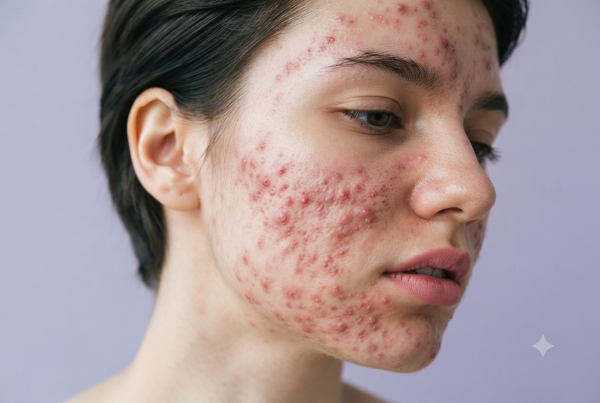
The sores of meth can occur anywhere on the body but are most often seen on the face, arms and hands. They often show up in various stages of healing at the same time: some fresh and open, others scabbed over, and older ones turning into permanent scars.
Open meth sores tend to look like popped blisters, round or oval, with a reddish, wet, or oozing surface. Because the skin is often picked at repeatedly, a single sore can deepen over time rather than healing cleanly, which is part of why scarring is so common in long-term meth use.
What Are Meth Mites and Meth Scabs
Two terms come up constantly around meth sores: meth scabs and meth mites. “Meth scabs” simply refer to the crusted-over wounds that form as the skin attempts to heal between episodes of picking.
Meth mites describe something different: a tactile hallucination in which a person feels bugs crawling on or under their skin, even though nothing is actually there. This sensation, sometimes called formication, drives repeated scratching and picking as the person tries to relieve the feeling or remove the imagined insects.
If you’ve noticed a loved one obsessively scratching or picking at skin that looks otherwise healthy, Solutions Healthcare can help you understand what’s happening and where to start
100% Confidential Support is Available 24/7
No matter what you’re going through, you’re not alone. Our dedicated team is here to provide a safe, judgment-free space where you can talk openly and honestly. Whether you need emotional support, resources, or just someone to listen.
We’re here for you—completely confidential and always respectful of your privacy. Call us today!
What Causes Meth Sores
Meth sores stem from methamphetamine’s effect on the brain and nervous system. Chronic meth use frequently triggers psychotic symptoms, including paranoia and tactile hallucinations that create the sensation of insects on the skin.
“Chronic use can lead to psychosis,” according to the National Institute on Drug Abuse’s research on methamphetamine, which can include hallucinations that drive compulsive skin-picking behavior.
Beyond the hallucinations themselves, meth also intensifies emotional reactivity. That heightened response to any physical sensation- an itch, a bump, a perceived irritation- can push someone to dig at their skin far more aggressively than they otherwise would, compounding the damage.
Fact: Meth-induced psychosis can persist for months or years after use stops.
Contact Solutions Healthcare
Battling with Drug and Alcohol Addition? Remember, you are not alone and we are here to help you!
What Drugs Cause Skin Sores Besides Meth
Meth isn’t the only substance linked to skin sores, though its connection to tactile hallucinations makes it especially notorious. Other substances associated with skin damage include:
- Cocaine, particularly with skin-popping or repeated injection, which can cause abscesses and tissue damage at injection sites
- Opioids, when injected, carry the risk of collapsed veins, abscesses, and infection at injection sites
- Synthetic cathinones (“bath salts”), which can produce similar tactile hallucinations and compulsive picking behavior to meth
What sets meth sores apart is how directly they’re tied to the hallucinatory experience itself rather than solely to the method of drug administration, which is why they often appear even in people who don’t inject the drug.
Meth Face: Beyond the Sores
Meth face describes a broader pattern of facial changes seen in chronic methamphetamine use, and sores are just one piece of it. Other common features include:
- Sunken eyes and dark circles
- Hollow cheeks from loss of facial fat and connective tissue
- Thinning lips
- Meth mouth, involving significant tooth decay and loss
- Facial swelling
- A chronic runny nose
- Premature wrinkling
Much of this comes down to malnutrition. Meth suppresses appetite and often pushes basic needs like eating, sleeping, and hydration to the bottom of the priority list, and that neglect shows up on the face and skin as clearly as the sores themselves.
How Meth Sores Progress and Heal
Meth sores tend to develop quickly once meth use escalates, since higher and more frequent doses raise the likelihood of tactile hallucinations. How fast they heal depends heavily on a person’s nutritional status and whether picking continues.
The harder truth is that psychosis from meth use can persist for months or even years after someone stops using, and sudden stress can trigger its return even after a period of remission. That means meth sores can keep appearing and healing in cycles for a long stretch, with no fixed timeline for full resolution.
Solutions Healthcare’s network of Florida treatment centers works with clients through exactly this kind of extended recovery process; reach out at (386) 866-3600 to talk through options.
100% Confidential Support is Available 24/7
No matter what you’re going through, you’re not alone. Our dedicated team is here to provide a safe, judgment-free space where you can talk openly and honestly. Whether you need emotional support, resources, or just someone to listen.
We’re here for you—completely confidential and always respectful of your privacy. Call us today!
How to Care for Meth Sores at Home
While the sores themselves won’t stop recurring until meth use and the underlying psychotic symptoms are addressed, basic wound care can reduce infection risk and limit scarring in the meantime:
- Keep open or raw wounds clean, and apply a neutral, oil-based ointment like petroleum jelly to protect the wound while it heals from the inside.
- Pay attention to pain. Ongoing pain from pressure or movement is often the body signaling that healing is being interrupted.
- See a doctor if a wound appears infected, spreads, or worsens rather than improves over time.
These steps can help manage existing sores, but they don’t address the underlying cause. Only stopping meth use and treating any ongoing psychotic symptoms can prevent new sores from forming.
What Gets Rid of Meth Residue
Meth residue, whether on skin, clothing, or in a living space where meth has been used or manufactured, isn’t something that simple washing reliably eliminates, especially in cases involving prior meth lab activity. Surface and environmental decontamination generally requires professional remediation services trained in handling chemical residue safely, since improper cleanup can expose people to further chemical exposure.
For residue on skin, thorough washing with soap and water is a reasonable first step, but any lingering skin irritation, sores, or unexplained symptoms should be evaluated by a medical professional rather than managed through home remedies alone.

100% Confidential Support is Available 24/7
No matter what you’re going through, you’re not alone. Our dedicated team is here to provide a safe, judgment-free space where you can talk openly and honestly. Whether you need emotional support, resources, or just someone to listen.
We’re here for you—completely confidential and always respectful of your privacy. Call us today!
When to Seek Treatment for Meth Addiction
Meth sores are a visible symptom of a much deeper problem, and they typically won’t stop recurring on their own. If you’re seeing sores, scabs, or the compulsive skin-picking that precedes them in yourself or someone you love, that’s a signal to seek treatment rather than wait for things to worsen.
Recovery addresses both the addiction itself and any co-occurring psychotic symptoms that are driving the physical damage, which is why comprehensive, integrated care tends to produce better outcomes than treating the skin symptoms in isolation.
Expert Advice: Keep meth sores clean and moisturized; see a doctor if infection develops.
How Solutions Healthcare Can Help
Solutions Healthcare is the parent network behind FACTS Recovery, Palm Coast Treatment Solutions, DeLand Treatment Solutions, and Orlando Treatment Solutions, four Florida-based treatment centers built around dual-diagnosis care for exactly this kind of situation, where a substance use disorder and mental health symptoms like psychosis are intertwined.
Because meth sores are so often tied to psychotic symptoms rather than the drug alone; treatment that addresses both the addiction and the underlying mental health picture together tends to work better than addressing either in isolation.
Across the network, care levels range from medical detox and residential treatment at FACTS Recovery in Melbourne to residential dual-diagnosis care at DeLand Treatment Solutions to a structured outpatient program at Palm Coast Treatment Solutions and Orlando Treatment Solutions.
To ask questions or learn more about the network
Frequently Asked Questions
What do meth sores look like?
Meth sores typically appear as open, red, inflamed wounds that may ooze, scab, or crust over. They’re often found in different stages of healing at the same time, especially on the face, arms, hands, and legs where repetitive skin picking most commonly occurs.
What causes meth sores?
Meth sores usually develop from repeated skin picking triggered by methamphetamine use. Many people experience tactile hallucinations, often called “meth mites,” creating the false sensation of bugs crawling beneath the skin, leading to compulsive scratching that damages the skin and increases infection risk.
What are meth mites?
Meth mites are tactile hallucinations caused by methamphetamine-induced psychosis, making someone falsely feel insects crawling on or beneath their skin. Although no actual infestation exists, these sensations often trigger intense scratching and repetitive skin picking that can result in painful, infected sores.
How long do meth sores take to heal?
Healing varies depending on nutrition, overall health, wound care, and whether meth use continues. Individual sores may improve within weeks, but ongoing skin picking and repeated meth use often cause new wounds, allowing sores to persist or recur for months or even years.
What is meth face?
Meth face describes the noticeable facial changes associated with long-term methamphetamine use, including hollow cheeks, sunken eyes, premature wrinkles, thinning lips, and severe dental damage known as meth mouth. Poor nutrition, dehydration, and chronic drug use all contribute to these visible physical changes.
What drugs cause skin sores besides meth?
Several substances can cause skin sores besides methamphetamine. Cocaine, particularly when injected, opioids, and certain synthetic stimulants can all damage the skin through injection-related infections, reduced blood flow, or hallucinations that lead to repetitive scratching and self-inflicted wounds over time.
How do you treat meth sores at home?
Gently clean wounds with mild soap and water, keep them covered, and apply a simple protective ointment to prevent excessive drying. Watch closely for redness, swelling, pus, or fever, and seek medical care promptly if signs of infection or worsening skin damage develop.
What gets rid of meth residue?
Meth residue inside homes or vehicles often requires professional remediation because contamination can remain on surfaces after drug production or heavy use. For skin exposure, washing thoroughly with soap and water is appropriate, while persistent irritation or symptoms should be evaluated by a healthcare provider.
Can meth sores go away without stopping meth use?
Some individual sores may temporarily heal, but they’re likely to return if meth use and compulsive skin picking continue. Lasting improvement usually requires treating the underlying addiction and any meth-related psychosis responsible for the repetitive scratching and skin damage.
Does Solutions Healthcare treat meth addiction and related psychosis together?
Yes. Solutions Healthcare provides integrated dual-diagnosis treatment that addresses both methamphetamine addiction and co-occurring mental health conditions, including psychosis. Coordinated care helps stabilize psychiatric symptoms while supporting long-term recovery through evidence-based therapy, relapse prevention, and individualized treatment planning.
Is meth psychosis permanent?
Not necessarily. Many people recover after stopping methamphetamine, but symptoms can persist for weeks, months, or occasionally longer, especially after prolonged heavy use. Future meth use or significant stress may also trigger psychotic symptoms to return, making ongoing treatment and recovery support important.
When should someone seek treatment for meth sores and addiction?
Treatment should begin as soon as meth sores, compulsive skin picking, hallucinations, or other signs of methamphetamine use appear. Early intervention reduces the risk of serious infections, worsening psychosis, and long-term physical or mental health complications while improving the chances of sustained recovery.
References
- National Institute on Drug Abuse. “Methamphetamine.”
- National Institute on Drug Abuse. “Methamphetamine DrugFacts.”
- National Institutes of Health, PMC. “Simple Effective Ways to Care for Skin Wounds and Incisions.”
- Substance Abuse and Mental Health Services Administration. “Methamphetamine.”
- National Institutes of Health, MedlinePlus. “Substance Use and Skin Conditions.”
- Centers for Disease Control and Prevention. “Methamphetamine Use and Health Effects.”
- National Institute on Drug Abuse. “Methamphetamine Research Report: What Are the Long-Term Effects of Methamphetamine Misuse?”
Medical Disclaimer: This blog is for informational purposes only and should not replace professional medical advice, diagnosis, or treatment. If you or someone you know is struggling with substance use, contact Solutions Healthcare or visit shc.health to learn about available treatment options.