
In This Blog
- Defining the parameters of excessive alcohol consumption
- Immediate steps to take for physical recovery and safety
- Long-term impacts of frequent heavy drinking on wellness
- How to identify if your habits require structured support
- Finding professional resources and continuity of care
Being in a situation immediately after Binge Drinking can be a physically and emotionally stressful experience that leaves one to wonder how best they can help their body recover. This consumption trend, which is commonly described as drinking to the extent of blood alcohol level of 0.08% or more, places a lot of strain on the liver, brain, and the cardiovascular system. Although the short-term failure may be to relieve a hangover, the longer-term risks related to excessive consumption should also be discussed.
The biological cost of these episodes is something you need to know to make informative choices regarding your health in the future. Through a methodical plan of recovery and introspection, victims can take the edge off of acute pain and assess whether they need some formal intervention or a change of lifestyle in relation to alcohol.
Expert Advice: Prioritizing hydration and rest is essential for helping the liver process toxins effectively.
What Counts as Binge Drinking
In order to recover successfully, it has to be informed about what happens when one engages in an episode of Binge Drinking. In men, it is a number of five or more drinks in a span of two or less and in women, four or more drinks in two hours or less.
This rapid intake overwhelms the body’s ability to metabolize alcohol, leading to a spike in toxicity. The resulting inflammation affects nearly every organ, particularly the digestive tract and the central nervous system, leading to the well-known symptoms of nausea, headaches, and fatigue.
How to Recover After Binge Drinking
The primary focus after an episode should be restoring the body’s natural balance. Alcohol is a powerful diuretic, meaning it forces the body to lose fluids more quickly than usual, leading to severe dehydration.
Common recovery strategies include:
- Aggressive Hydration: Drink water or electrolyte-rich beverages to replace lost fluids and minerals.
- Nutritional Support: Consume bland foods like toast or bananas to settle the stomach and restore potassium.
- Rest and Sleep: Allow the brain and liver the time they need to repair damaged tissues and clear toxins.
- Avoid Caffeine: Coffee can further dehydrate the body and irritate an already sensitive stomach.
FACT: One episode of heavy drinking can impact brain function for days.
Why You Feel Anxious After Binge Drinking
The “hangover” is not just physical; many people experience “hangxiety” or a low mood after Binge Drinking. This occurs because alcohol disrupts the balance of neurotransmitters like serotonin and dopamine in the brain.
Acknowledging these feelings without self-judgment is a vital part of the healing process. While the emotional dip is temporary, it serves as a signal from the nervous system that it is struggling to maintain equilibrium under the weight of chemical interference.
Recovery Aspect | Recommended Action | Biological Benefit |
Hydration | Electrolyte drinks | Restores fluid balance and kidney function |
Nutrition | Complex carbohydrates | Stabilizes blood sugar and settles the gut |
Rest | Low-light environment | Reduces sensory overload and aids brain repair |
Signs of Alcohol Poisoning to Look For
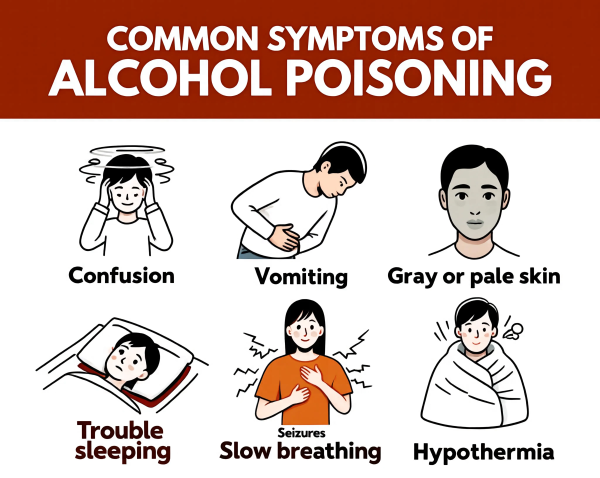
It is critical to recognize when an episode moves from a standard hangover to a life-threatening emergency. If someone shows signs of confusion, vomiting, seizures, or slow breathing, professional help must be sought immediately.
Alcohol poisoning occurs when there is so much alcohol in the bloodstream that areas of the brain controlling basic life support functions begin to shut down. Never leave a person to “sleep it off” if they are unresponsive or showing these severe symptoms.
How Binge Drinking Damages Your Liver and Heart
Frequent Binge Drinking does not just cause temporary discomfort; it leads to cumulative damage. The liver, tasked with filtering every drop of alcohol, can develop inflammation known as steatosis or “fatty liver”.
Over years, this can progress to more serious conditions like hepatitis or cirrhosis. Additionally, heavy episodes put a strain on the heart, increasing the risk of high blood pressure and irregular heartbeats, which can have long-lasting effects on vitality.
Signs Your Drinking Has Become a Problem
While a single episode is a health risk, a recurring pattern of Binge Drinking may indicate an underlying alcohol use disorder. If you find that you cannot control how much you drink once you start, or if you frequently regret your actions while intoxicated, it may be time to seek guidance.
Reflecting on your relationship with alcohol involves looking at:
- The frequency of heavy drinking episodes per month.
- Whether drinking is used as a primary tool to manage stress or social anxiety.
- If your habits are causing friction in your personal or professional relationships.
- The presence of cravings or a strong desire to drink even when you plan not to.
If you need help, Solutions Healthcare offers support for your recovery.
How Recovery Programs Help After Binge Drinking
For those who find it difficult to change their habits alone, a professional program provides the necessary structure and oversight. These services offer a safe environment to explore the root causes of Binge Drinking while learning new, healthy coping mechanisms.
Programs often include individual sessions to address personal triggers and group settings where peers can share their wisdom and experiences. This multifaceted approach ensures that every aspect of the individual’s life is supported during their transition to wellness.
Healthy Ways to Cope Without Alcohol
True recovery involves replacing the habit of heavy drinking with activities that promote genuine well-being. This might include regular physical activity, which naturally boosts mood-lifting chemicals in the brain.
Developing a “toolkit” for stress management is essential. This could involve mindfulness practices, engaging in a creative hobby, or simply reaching out to a support network when things feel overwhelming. These tools provide a sustainable way to handle life’s challenges without the need for substances.
How to Handle Social Pressure to Drink
Much of Binge Drinking occurs in social settings where there is pressure to conform. Learning to set firm boundaries with friends or colleagues is a sign of strength and self-respect.
It may be necessary to avoid certain environments or social circles that prioritize heavy drinking, especially in the early stages of a lifestyle change. Surrounding yourself with individuals who support your health goals makes the transition much easier and more fulfilling.
Support Type | Primary Focus | Best For |
Individual Counseling | Identifying personal triggers | Deep psychological exploration |
Group Support | Peer connection and accountability | Reducing isolation and building community |
Wellness Coaching | Physical health and habits | Improving diet, sleep, and fitness |
Best Foods to Eat After Binge Drinking
Restoring the body after frequent episodes of Binge Drinking requires a focus on nutrient-dense foods. Alcohol often displaces healthy calories and interferes with the absorption of essential vitamins like B1 and B12.
A diet rich in leafy greens, lean proteins, and whole grains helps the liver regenerate and improves overall cognitive function. Staying consistent with these nutritional choices provides the brain with the fuel it needs to maintain a steady, positive mood.
Why Ongoing Support Matters in Recovery
Recovery is not a single event but a continuous process of self-discovery and growth. Continuity of care ensures that as your needs change, your support system adapts with you.
This might involve moving from a more intensive program to regular check-ins with a professional. Having a dedicated team monitor your progress helps catch potential setbacks early and reinforces the skills you have learned to stay on track.
Solutions Healthcare provides professional guidance and resources by phone today.
Rebuilding Relationships After Binge Drinking
Heavy drinking episodes often lead to behaviors that strain the bonds with family and friends. Rebuilding trust requires a long-term commitment to a different lifestyle and honest communication.
Involving loved ones in your recovery process can help heal old wounds and create a more supportive home environment. When the people closest to you understand your goals, they can become your strongest allies in maintaining a healthy path.
How Long Does the Brain Take to Recover?
The brain has a remarkable ability to heal once the influence of alcohol is removed. Over months of abstinence or moderate use, cognitive functions like memory, decision-making, and emotional regulation begin to stabilize.
Patience is required during this time, as the brain’s recalibration is a gradual process. Every day spent in wellness is a day that your nervous system becomes more resilient and capable of experiencing joy naturally.

Taking the First Step Toward Recovery
Choosing to address the impact of Binge Drinking is an investment in your future. While the immediate aftermath of an episode is difficult, it can serve as a powerful catalyst for positive change.
By taking the steps to support your body’s recovery today and exploring professional resources, you are opening the door to a life characterized by clarity, physical vitality, and genuine connection. Your health and your future are worth the effort it takes to build a stable, balanced lifestyle.
Solutions Healthcare offers comprehensive support services and personalized guidance for those seeking a healthier lifestyle. Their team focuses on providing a structured environment where individuals can address their habits through evidence-informed methods and ongoing peer support.
Medical Disclaimer: This article is for informational purposes only and is not a substitute for professional medical advice.
Key Takeaways
- Binge Drinking is defined as reaching a blood alcohol level of 0.08% within a short period.
- Immediate recovery focus should be on aggressive hydration, rest, and bland nutrition.
- Frequent episodes increase the risk of liver disease, heart problems, and cognitive decline.
- Alcohol poisoning is a medical emergency that requires immediate professional intervention.
- Structured programs and behavioral strategies are essential for breaking a pattern of dependency.
FAQs
How long does it take to recover?
Physical recovery from a single episode of Binge Drinking typically takes 24 to 48 hours for the most acute symptoms to fade. However, the inflammatory effects on the liver and the disruption to brain chemistry can persist for several days or even longer if episodes are frequent.
Why do I feel anxious after drinking?
Alcohol is a central nervous system depressant that artificially suppresses anxiety while you are drinking. As it leaves your system, the brain overcompensates by becoming hyper-active, leading to feelings of restlessness, worry, and what is commonly known as “hangxiety”.
Can I “sweat out” the alcohol?
No, you cannot sweat out a significant amount of alcohol through exercise or saunas. The liver processes about 90% of the alcohol in your system at a fixed rate that cannot be accelerated. Forcing your body to sweat while dehydrated can actually be dangerous and delay recovery.
When is binge drinking considered alcoholism?
It may be considered a disorder if the behavior is frequent, if you find it impossible to stop once you’ve started, or if you continue despite recurring social and health problems. A professional assessment can help determine where your habits fall on the spectrum of dependency.
What is the best drink for recovery?
Water is the most essential, but electrolyte-rich drinks like sports beverages or coconut water are also highly effective. These help replace the salt and potassium lost during the episode, which is crucial for restoring proper nerve and muscle function during the recovery phase.