
You know that bipolar disorder is not their fault. You know it’s a medical condition. However, at some point, loving them turned into enabling them. And you are getting burnt out. You understand you need boundaries and yet you are afraid that you will make things worse by putting them in place. What if they take boundaries for rejection? So what if they go round and round? What if you ruin the relationship?
The truth of this is that healthy limits are not harmful to the relationship with a bipolar. They protect them. They are a safeguard against poor mental health. They actually aid the bipolar individual in knowing when he or she is in an episode. In fact, oddly, they can help improve relationships, as there is less resentment and burnout.
Experts Advice: Set important boundaries during stable periods, not in the middle of an episode.
Understanding Bipolar Disorder and Relationships
Understanding the impact of BD on relationships can help before setting boundaries.
Bipolar disorder involves dramatic shifts in mood, energy, and behavior. During manic or hypomanic episodes, someone might be impulsive, make reckless financial decisions, have inflated self-esteem, engage in risky behavior, have racing thoughts, talk constantly, or barely sleep. These episodes feel amazing to the person experiencing them. They feel productive and capable. They might not recognize anything is wrong.
During depressive episodes, someone might be withdrawn, hopeless, unable to get out of bed, unable to make decisions, have suicidal thoughts, or lose interest in everything. This feels terrible. They need enormous amounts of support and reassurance.
Between episodes, many people with bipolar disorder are stable, functional, and themselves. But the unpredictability and intensity of episodes affects everyone around them. Family members find themselves managing the person’s behavior during episodes, covering for them, making decisions for them, or cleaning up consequences.
This isn’t sustainable. And it doesn’t help the person with bipolar disorder. In fact, constantly rescuing someone prevents them from experiencing natural consequences and learning to manage their condition. It can enable unhealthy patterns.
FACT: Bipolar disorder involves distinct manic, hypomanic, and depressive mood episodes over time.
What Boundaries Are and Aren’t
Boundaries are not walls. They’re not rejections. They’re not a punishment. Boundaries are clear guidelines about what you will and won’t accept in a relationship. They protect your well-being. They define your limits. They communicate your needs.
Setting boundaries is not the same as abandoning someone. It’s not cruel. It’s not unsupportive. You can love someone deeply and still have boundaries. In fact, healthy boundaries often strengthen relationships because they reduce resentment and burnout.
Boundaries are also not one-way. The person with bipolar disorder can have boundaries too. They might need boundaries around sleep, stress, or people who trigger episodes. These are legitimate needs.
Specific Boundaries to Set
Different boundaries work for different situations.
- Behavioral Boundaries: These establish standards for how people treat each other. No name-calling. No throwing objects. No threatening behavior. No substance abuse in your home. These aren’t optional. They’re the baseline for respect in any relationship.
- Financial Boundaries: If you’re lending money, set clear terms. How much? When will it be repaid? What happens if it’s not? Don’t co-sign loans for someone in a manic episode. Don’t enable reckless spending. Your financial security matters.
- Time and Energy Boundaries: You can’t be available 24/7. Set specific times for contact. “I can talk on Sundays from 2 to 4 PM.” This prevents constant crisis calls and gives you predictability. Outside those times, they need to use crisis resources or wait until the designated time.
- Communication Boundaries: Establish topics that are off-limits if they trigger episodes. If certain conversations consistently lead to crises, it’s okay to avoid them during vulnerable periods. You can also set boundaries around how you’re spoken to. You won’t engage in conversations with insults or threats.
- Personal Space Boundaries: If someone lives with you or visits frequently, establish when you need space. “I need the evenings to decompress.” “Please call before visiting.” This protects your mental health.
- Emotional Boundaries: You’re not responsible for managing their emotions. You can care about someone without taking responsibility for how they feel. You can be compassionate without absorbing their crisis.
- Responsibility Boundaries: The person with bipolar disorder is responsible for their own treatment. You can encourage medication compliance and therapy attendance. You can’t force it. They need to make their own choices and experience consequences.
How to Set Boundaries Effectively
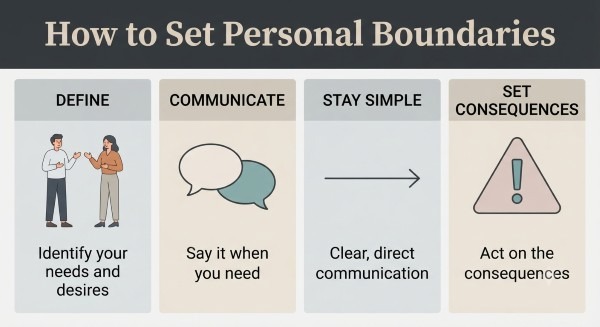
Knowing what boundaries to set is one thing. Communicating them is another.
- Be Clear and Specific: Vague boundaries don’t work. “Be more responsible” isn’t a boundary. “If you miss more than three therapy appointments without rescheduling, I won’t cover your bills” is clear and specific.
- Use Simple Language: Avoid clinical or accusatory language. Don’t say “Your manic behavior is unacceptable.” Say “When you spend money recklessly, it affects our financial stability. I need you to check with me before major purchases.”
- Focus on Your Needs, Not Their Faults: “I need to know you’re safe” rather than “You’re reckless.” “I need some time alone” rather than “You’re suffocating me.” This is less likely to trigger defensiveness.
- Communicate Calmly: If they’re in an episode, they might not hear you. Wait for a stable period to discuss important boundaries. Don’t set boundaries when emotions are high.
- Follow Through Consistently: A boundary without consequences is just a suggestion. If you say “If you don’t go to therapy, I won’t help you with rent,” then you need to follow through. Inconsistency teaches that boundaries aren’t real.
- Give Consequences, Not Punishment: Consequences are what naturally happens when someone breaks a boundary. Punishment is retaliatory. “If you miss therapy, I won’t help financially” is a consequence. “If you miss therapy, I’m leaving you” might be punishment. One is about managing your exposure to risk. The other is about revenge.
Enabling vs. Supporting With Boundaries
Here’s how supporting someone differs from enabling them:
Behavior | Enabling | Supporting With Boundaries |
Money Help | Repeatedly giving money with no consequences | Helping with budgeting, refusing to cover preventable debt |
Therapy Attendance | Making appointments, reminding constantly, excusing missed sessions | Encouraging therapy, letting them experience consequences of skipping |
Crisis Calls | Dropping everything every time they call | Setting designated times to talk, directing them to crisis resources |
Accountability | Protecting them from consequences | Letting them experience natural consequences |
Your Time | Sacrificing your needs constantly | Balancing their needs with your own |
Blame | Accepting blame for their episodes | Understanding bipolar isn’t their fault but their recovery is their responsibility |
Resentment | Building over time | Decreasing because you’re not overextended |
Their Growth | Stalled because no incentive to change | Accelerated because they learn to manage their condition |
Supporting someone means helping them help themselves. Enabling means doing for them what they need to do for themselves.
Struggling to tell support from enabling? Solutions Healthcare helps families build healthier, sustainable boundaries together.
Setting Boundaries When You Live Together
Boundaries are more complex when you share a home.
Sleeping Arrangements: If they’re in a manic episode with no sleep, this is a medical emergency. But you still need sleep. You might need to sleep in another room sometimes. Your sleep matters.
Household Responsibilities: During depression, they might not do their share. That’s understandable. But you can’t do everything. Set clear expectations. “During depressive episodes, I’ll help with essential tasks, but you still need to do X chore.”
Substance Use: If substance abuse is involved, set a clear boundary. “I won’t live with active substance use. If you’re using it, we need to make other living arrangements.” This isn’t punishment. It’s protecting your home and your health.
Guests and Privacy: You might need to limit guests during certain times or set rules about overnight visitors. Your comfort in your own home matters.
Financial Boundaries: If finances are combined, set clear guidelines about spending authority. During manic episodes, you might need temporary control to prevent financial catastrophe.
Carrying guilt or burnout from caregiving? Call Solutions Healthcare for family therapy and psychoeducation support.

Getting Help at Solutions Healthcare
If you’re struggling to set boundaries with someone who has bipolar disorder, or if you need support for your own mental health in this situation, Solutions Healthcare offers family-focused treatment and support.
Our services include individual therapy for you to process your feelings and develop healthy boundary-setting skills. Family therapy brings both people together to communicate more effectively. Psychoeducation about bipolar disorder so you understand what you’re dealing with. Couples therapy if you’re in a romantic relationship. Support groups for family members of people with bipolar disorder.
If you’re ready to set boundaries, if you need to process guilt about doing so, or if you need support navigating this relationship, reach out. Call us at (386) 866-3600 or visit our contact page to discuss your situation.
FAQs
Will setting boundaries make them think I don’t care?
Not necessarily. Clear and compassionate communication can help your loved one understand that boundaries are meant to protect the relationship, not damage it. Healthy limits often improve communication, reduce resentment, and create a more supportive environment for both people involved.
What if they get angry when I set a boundary?
Anger is a common reaction when expectations change or new limits are introduced. You can acknowledge their feelings while still maintaining your boundary. Healthy boundaries do not require another person’s approval and should remain consistent even when they cause discomfort initially.
Should I set boundaries during a manic or depressive episode?
Important boundary conversations are usually more effective during periods of emotional stability. During manic or depressive episodes, judgment and communication may be impaired. Waiting until symptoms have improved often leads to more productive discussions and greater understanding between both individuals.
What if they promise to change but don’t?
Lasting change is shown through consistent actions rather than promises alone. Mental health challenges can make behavior change difficult, even when intentions are sincere. Focus on observable progress and continue maintaining boundaries that protect your wellbeing and emotional health over time.
Is it okay to refuse to help during a crisis?
It depends on the circumstances. Emergencies involving safety or suicidal thoughts require immediate professional help. However, repeatedly solving problems that enable unhealthy behaviors is different. Supporting someone should not require sacrificing your own health, responsibilities, or emotional well-being.
How do I handle guilt about having boundaries?
Feeling guilty about setting boundaries is common, especially when supporting someone you love. Remember that boundaries protect your emotional health and help prevent burnout. Taking care of yourself allows you to offer support in healthier, more sustainable ways without developing resentment.
Can boundaries change over time?
Yes. Boundaries should evolve as relationships, circumstances, and recovery needs change. Periodically reassessing your limits can help ensure they remain appropriate and effective. Healthy boundaries are flexible enough to adapt while still protecting your emotional, physical, and psychological well-being.
What if they refuse to get treatment?
You can encourage treatment, provide resources, and express concern, but you cannot force another adult to seek help. Their decisions remain their responsibility. Maintaining healthy boundaries protects your well-being while allowing them the freedom to make their own choices.
Is couples therapy helpful if we have boundary issues?
Yes. Couples therapy can improve communication, strengthen relationship skills, and help partners develop healthy expectations and boundaries. A qualified therapist can provide tools for navigating the challenges that mental health conditions may create within relationships and family dynamics.
How do I know if I’m being too rigid with boundaries?
If your boundaries create complete emotional distance or prevent meaningful connection, they may need adjustment. Healthy boundaries should protect your wellbeing while still allowing compassion, trust, and supportive relationships to exist without becoming emotionally overwhelming or restrictive.
References
- Advantage Mental Health Center. “Coping Strategies For Family Members Of Bipolar Disorder Patients.” May 2024. https://advantagementalhealthcenter.com/coping-strategies-for-family-members-of-bipolar-disorder-patients/
- Find Baseline. “Establishing Boundaries: The Key to Healthy Relationships With Bipolar Disorder.” June 2024. https://www.findbaseline.com/post/establishing-boundaries-the-key-to-healthy-relationships-with-bipolar-d7cb8
- Compassion Behavioral Health. “Helping a Family Member with Bipolar Disorder.” April 2022. https://compassionbehavioralhealth.com/helping-family-member-with-bipolar-disorder/
- Individual Care of Texas. “Navigating Relationships and Communication When Living with Bipolar Disorder.” December 2025. https://individualcareoftx.com/2025/12/01/navigating-relationships-and-communication-when-living-with-bipolar-disorder/
- Big Valley Therapy. “Navigating Family Dynamics with Bipolar Disorder.” July 2025. https://bigvalleytherapy.com/parenting-family-dynamics/bipolar-family-relationships-therapy/
- Healthline. “Arguing with Someone with Bipolar Disorder: Healthy Communication Tips.” April 2025. https://www.healthline.com/health/bipolar-disorder/arguing-with-a-bipolar-person
- Supportive Care. “How to Support a Loved One with Bipolar Mood Disorder.” April 2025. https://www.thesupportivecare.com/blog/how-to-support-a-loved-one-with-bipolar-mood-disorder
- Bipolar Caregivers. “Maintaining Healthy Boundaries.” September 2017. https://bipolarcaregivers.org/taking-care-of-yourself/maintaining-healthy-boundaries
- NAMI. “Bipolar Disorder: Friends and Family.” https://www.nami.org/bipolar-disorder
- National Institute of Mental Health. “Bipolar Disorder.” https://www.nimh.nih.gov/health/topics/bipolar-disorder
This content is for informational purposes only and does not constitute medical advice or a clinical recommendation. For a personalized assessment, please consult a licensed mental health professional. To learn more about evidence-based mental health and addiction treatment in Florida, visit shc.health or call (386) 866-3600.