
You completed treatment. You made it through detox. You worked your butt off in therapy. You have all these new coping skills. You understand your triggers. You’re ready to go back to your life. And then real life hits.
That first week at home. That first stressful day at work. That moment when your old friend calls. That night when you can’t sleep and the cravings come roaring back. That’s when a lot of people relapse. Not because the treatment didn’t work. Not because they didn’t care. But because they suddenly lost the structure, the support, the constant reminders of why they’re quitting. They lost the intensive environment that was holding them accountable.
This is exactly why aftercare exists. It’s the bridge between intensive treatment and the life you’re trying to build. It’s what keeps recovery real when reality gets hard.
What is Aftercare?
Aftercare is a structured plan that provides ongoing support, monitoring, and treatment to help you maintain your recovery after you complete an intensive program like inpatient rehab, intensive outpatient treatment, or residential care. Think of treatment as the intensive training phase. Aftercare is the long-term conditioning phase where you practice everything you learned and build real-world resilience.
The critical thing to understand is that addiction is defined as a chronic, relapsing disease. That word, “relapsing,” is important. It means that relapse is a common part of the disease, not a sign of failure. Between 40 and 80 percent of people who complete treatment experience some return to substance use. This isn’t because treatment doesn’t work. It’s because addiction is chronic. It requires ongoing management, just like diabetes or hypertension requires ongoing management.
Aftercare is the ongoing management system for addiction recovery.
Why Aftercare Matters
Without aftercare support, relapse rates are high. With structured aftercare, relapse rates drop significantly. The difference is substantial enough that aftercare has become a standard component of modern addiction treatment.
Here’s what happens when you don’t have aftercare. You go home. Life is overwhelming. You’re rebuilding everything. Your job is stressful. Relationships are damaged and need repair. You’re learning to function without substances while dealing with all the problems that led to substance use in the first place. You’re alone. You’re tired. You’re vulnerable.
Now you run into someone using it. Or you have a terrible day. Or you just feel bored and empty. And suddenly using it sounds pretty good. It sounds like the fastest way to feel better. Without someone checking in with you, without a therapy appointment scheduled, without a support group meeting to look forward to, it becomes easy to rationalize one use. And one use leads to relapse.
With aftercare, you’re not alone. You have check-ins. You have therapy appointments. You have people expecting you at support group meetings. You have a plan for exactly what to do when cravings hit. You have accountability. And that structure makes a tremendous difference.
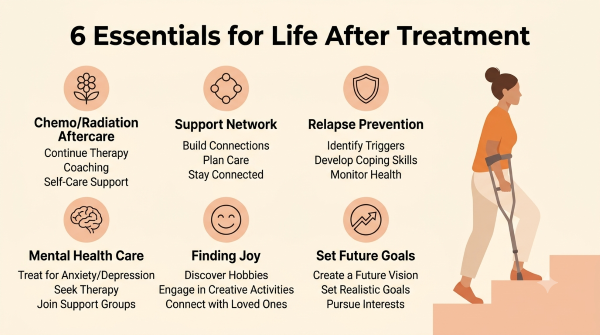
Components of a Strong Aftercare Program
Quality aftercare programs include multiple components working together. A good aftercare plan is customized to your specific needs, but typically includes several elements.
Individual Therapy is foundational. Regular one-on-one sessions with a therapist give you space to process the challenges of recovery, address underlying issues driving substance use, work through emerging problems, and develop personalized coping strategies. Many people find that issues that were masked by substance use become apparent in recovery. Unprocessed trauma, untreated anxiety or depression, relationship problems, career questions. Therapy provides the space to work through these systematically.
Group Therapy or Support Groups provide community, accountability, and the knowledge that you’re not alone. Twelve-step programs like Alcoholics Anonymous and Narcotics Anonymous have decades of track record. SMART Recovery offers a science-based alternative. LifeRing emphasizes self-empowerment. There are many options. The key is finding one where you feel you belong and where the community supports your recovery.
Psychiatry and Medication Management are important if you have mental health conditions or if medication supports your recovery. Many people use medications that reduce cravings or ease withdrawal symptoms. Others need medication for underlying anxiety, depression, or other mental health conditions that contributed to their addiction. Regular psychiatric check-ins ensure these medications continue working and are adjusted as needed.
Structured Coping Skills Practice means you’re not just learning coping strategies during treatment and then hoping you remember them. You’re continuing to practice them. You’re reinforcing them. You’re building them into habits so when crisis hits, these healthy responses are your default, not substances.
Relapse Prevention Planning specifically addresses the situations and triggers that put you at highest risk. During aftercare, you map out these situations and practice exactly what you’ll do when they happen. It’s like a fire drill for recovery. When the crisis comes, you don’t have to think. You have a plan.
Sober Living Housing provides a structured home environment where everyone is committed to sobriety. Living with others in recovery provides built-in accountability, community, and protection from immediate triggers. Some people need this transitional housing for a few months. Others benefit from longer stays.
Dual Diagnosis Treatment addresses the fact that about 45 percent of people with addiction also have mental health conditions. When addiction and mental illness co-occur, treating only the addiction usually fails because the mental health condition continues driving substance use as self-medication. Quality aftercare treats both simultaneously.
Family Therapy and Education recognizes that addiction affects the whole system. Family members have been hurt. Trust has been broken. Communication patterns are damaged. Family therapy helps repair these relationships and educates family members about how to support recovery rather than enable relapse.
Employment Support and Life Skills recognizes that recovery is about rebuilding your entire life, not just quitting substances. Helping you find work, develop education goals, learn budgeting and household management, and rebuild social skills makes recovery sustainable.
The Critical First 90 Days
Research shows that the first 90 days after completing intensive treatment are especially crucial.
This is when you’re reintegrating into your normal life but your brain is still adjusting to the absence of substances. Your coping skills are fresh but not yet automatic. Your support system is new. Triggers are everywhere. The temptation to use is often strongest during this period.
Studies have shown that people who engage in intensive aftercare during this first 90 days have significantly better outcomes. More frequent therapy sessions, more regular support group meetings, more frequent check-ins, stronger structure. This temporary intensification of support during the highest-risk period provides the scaffolding needed to rebuild your life.
As you demonstrate sustained recovery and your skills become more automatic, the intensity of aftercare can gradually decrease. But never disappear entirely.
Different Levels of Aftercare
Not everyone needs the same intensity of aftercare. Your plan should match your risk level:
Aftercare Level | Frequency | Components | Best For | Duration |
Minimal | Monthly or less | One monthly check-in call | Low-risk, stable recovery | 3-6 months |
Standard | Weekly | Individual therapy weekly, support group attendance | Moderate-risk cases | 6-12 months |
Intensive | Multiple times weekly | Therapy 2x weekly, group therapy, daily support groups, sober living | High-risk, first 90 days, or dual diagnosis | 3-6 months |
Ongoing | Ongoing | Monthly therapy, regular support group attendance, annual psychiatry check-in | Long-term recovery maintenance | Indefinite |
The key is starting with the right level and then adjusting. Someone with multiple prior relapses, no support system, or untreated mental illness starts with intensive aftercare. Someone with strong support, stable recovery, and no mental health complications might do well with standard aftercare. And as recovery solidifies, intensity can decrease.
What Happens if You Relapse During Aftercare
Here’s something important: relapse doesn’t mean aftercare failed. Relapse means the disease is showing itself, which is why ongoing care is necessary.
A good aftercare plan includes a relapse response protocol. If you relapse, you’re not starting from zero. You have a step-by-step plan for what happens next. You contact your therapist immediately. You might return to intensive outpatient programming. You might increase support group attendance. You might extend sober living housing. You might go back to inpatient treatment for a period.
The point is that relapse becomes a recoverable setback rather than a complete derailment. It’s expected, managed, and addressed immediately. The longer-term recovery continues. You don’t lose months of progress because one incident happens.

Getting Started with Aftercare at Solutions Healthcare
If you’re finishing treatment or approaching completion, the time to plan aftercare is now, not after you leave.
Solutions Healthcare integrates aftercare planning into your treatment from day one. We work with you to understand your specific risk factors, your support system, your mental health needs, and your life circumstances. We create a personalized aftercare plan designed specifically for you, not a generic template.
We recognize that the transition from treatment to regular life is one of the highest-risk periods. We don’t just discharge you with a list of suggestions. We maintain active involvement in your recovery during the critical months after treatment.
If you’re concerned about your recovery after treatment ends, or if you’re already struggling and need aftercare support, reach out. Call us at (386) 866-3600 or visit our contact page to discuss what you need. Our team understands that recovery is a long-term process and we’re committed to supporting you through it.
FAQs
How Long Do I Need to Be in Aftercare?
The length of aftercare varies based on individual needs, recovery progress, and relapse risk. Many people benefit from at least six to twelve months of structured support after intensive treatment. Continued participation helps strengthen coping skills, maintain accountability, and build a stable foundation for long-term recovery.
What If I Can’t Afford Aftercare?
Many aftercare services are affordable or available at reduced cost. Options may include sliding-scale counseling, community resources, nonprofit programs, and free peer support groups. Treatment providers can often help connect individuals with financial assistance programs and recovery resources that fit their budget.
Can I Do Aftercare Completely Online?
Online aftercare can be a valuable option, particularly for people with transportation challenges or limited local resources. However, many individuals benefit from combining virtual services with in-person support. A hybrid approach may provide greater accountability, social connection, and engagement while maintaining flexibility and accessibility.
What If My Employer Finds Out I’m in Aftercare?
Treatment and recovery information is generally protected by privacy and confidentiality laws. Many employers also offer confidential employee assistance programs that support mental health and substance use recovery. If disclosure becomes necessary, workplace policies and legal protections may help safeguard your privacy.
Is Relapse During Aftercare a Sign That I Need More Intense Treatment?
A relapse may indicate that additional support or treatment adjustments are needed. This could involve increasing therapy sessions, participating in more structured programs, or accessing a higher level of care. Rather than viewing relapse as failure, it can provide valuable information for improving recovery strategies.
How Do I Choose Between Different Support Groups?
Exploring several support groups can help you find the best fit for your needs and preferences. Different groups vary in structure, philosophy, and community culture. Finding an environment where you feel comfortable, understood, and supported can significantly improve engagement and long-term recovery success.
What If I’ve Already Relapsed and Am Worried About Shame?
Many people experience shame after a relapse, but recovery professionals understand that setbacks can occur. Seeking support promptly, discussing challenges openly, and re-engaging with treatment can help prevent further difficulties. Addressing shame constructively often supports recovery more effectively than withdrawing from available resources.
How Does Aftercare Address Triggers?
Aftercare helps individuals identify personal triggers and develop practical coping strategies for managing them. Through therapy, education, and skill-building exercises, people learn healthier responses to stress, cravings, and emotional challenges. Repeated practice can strengthen confidence and improve resilience when triggers arise.
Can My Family Be Part of Aftercare?
Yes. Family involvement is often encouraged because healthy relationships can strengthen recovery outcomes. Family therapy and educational programs help improve communication, rebuild trust, establish healthy boundaries, and create a supportive home environment that promotes long-term sobriety and reduces the risk of relapse.
What Happens If I Stop Aftercare Too Early?
Ending aftercare prematurely may increase the risk of relapse by reducing access to support, accountability, and recovery resources. Continuing participation until recovery skills are well established often improves long-term outcomes. Decisions about ending aftercare should ideally be made in collaboration with treatment professionals.
Is Aftercare Only for People With Severe Addiction?
No. Aftercare can benefit individuals at all levels of addiction severity. Ongoing support helps reinforce healthy habits, strengthen coping skills, and address challenges that arise during recovery. Even people with milder substance use issues often benefit from structured guidance and continued recovery-focused support.
References
- Oxford Treatment Center. “Aftercare Treatment Programs, Planning, and More.” June 2025. https://oxfordtreatment.com/addiction-treatment-ms/aftercare
- The Recovery Village. “Life After Rehab: About Aftercare and Sober Living Programs.” May 2025. https://www.therecoveryvillage.com/treatment-program/aftercare/
- Right Step. “Aftercare Programs for Substance Abuse.” November 2025. https://www.rightstep.com/rehab-blog/go-aftercare-program-substance-abuse/
- Desert Hope. “Life After Rehab: Aftercare Planning and Support.” June 2025. https://deserthopetreatment.com/las-vegas-program/aftercare/
- Northern Illinois Recovery. “Addiction Aftercare Programs.” April 2025. https://www.northernillinoisrecovery.com/programs/aftercare/
- Footprints to Recovery. “Prevent Relapse: Substance Abuse Aftercare Plan.” February 2025. https://footprintstorecovery.com/aftercare-plan/
- Resurgence Behavioral Health. “Addiction Aftercare Programs in California.” March 2026. https://resurgencebehavioralhealth.com/what-we-do/aftercare/
- Grand Falls Recovery Center. “Aftercare Planning for Addiction Recovery.” October 2025. https://grandfallsrecovery.com/addiction-treatment/aftercare-planning/
- American Addiction Centers. “Rehab Guide: Aftercare.” https://americanaddictioncenters.org/rehab-guide/aftercare
This content is for informational purposes only and does not constitute medical advice or a clinical recommendation. For a personalized assessment, please consult a licensed mental health professional. To learn more about evidence-based mental health and addiction treatment in Florida, visit shc.health or call (386) 866-3600.