
Behavioral therapy is a systematic method that aims at determining and modifying behavioral patterns that can influence normal functioning and well-being. It relies on the premise that behaviors can be acquired and altered with the help of constant tactics and encouraging directions.
This model is common in mental rehabilitation and addiction treatment facilities. It also focuses on the use of practical methods that assist one in establishing healthier lifestyles, enhancing coping mechanisms, and react to problematic scenarios in different ways.
Expert Advice: Behavioral interventions work best when consistently applied within professional, supportive environments over time.
How Does Behavioral Therapy Actually Work?
Behavioral therapy helps in treating behavior and not just thoughts or feelings. This is aimed at recognizing behaviors that might not help and substituting them with more productive reactions.
This normally entails making objectives, monitoring, and rehearsing new skills on a regular basis. Negative patterns can be strengthened and negative behaviors can be diminished with positive practice over time.
Want to know if behavioral therapy is right for you? Call Solutions Healthcare and get real answers from people who can help.

Types of Behavioral Therapy
Cognitive Behavioral Therapy (CBT)
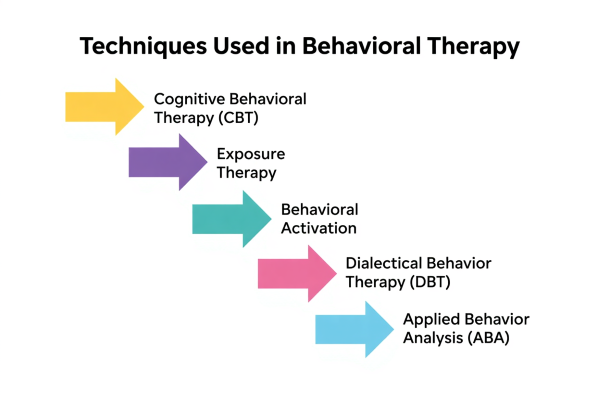
Cognitive Behavioral Therapy (CBT) combines behavioral techniques with cognitive strategies. It helps individuals recognize how thoughts influence actions and teaches ways to reframe unhelpful thinking patterns.
Dialectical Behavior Therapy (DBT)
DBT focuses on emotional regulation, distress tolerance, and interpersonal effectiveness. It is often used when individuals experience intense emotional responses.
Exposure Therapy
This method gradually introduces individuals to feared situations in a controlled way. The goal is to reduce avoidance and build confidence in handling triggers.
Applied Behavior Analysis (ABA)
ABA is commonly used for developmental conditions. It reinforces positive behaviors through professional rewards and repetition.
Most Common Behavioral Therapy Types
Therapy Type | Primary Focus | Common Use |
CBT | Thoughts and behaviors | Anxiety, depression |
DBT | Emotional regulation | |
Exposure Therapy | Reducing fear response | Phobias, anxiety |
ABA | Behavior reinforcement | Developmental conditions |
What Conditions Can Behavioral Therapy Help With?
Behavioral therapy is used across a wide range of conditions and concerns. It can be adapted based on individual needs and goals.
Common areas include:
- Anxiety-related concerns
- Mood-related challenges
- Substance use disorders
- Stress and coping difficulties
- Behavioral challenges in children and adults
Still have questions about behavioral therapy? Solutions Healthcare is one call away. Let’s figure out what works for you.
Techniques Used in Behavioral Therapy and Why They Work
Setting Goals and Tracking Progress in Behavioral Therapy
Clear, measurable goals are established at the beginning. Progress is tracked regularly to understand what strategies are working.
Reinforcement Help
Positive behaviors are encouraged through rewards or recognition. This helps strengthen desired actions over time.
Practical Skills You Learn in Behavioral Therapy
Individuals learn practical skills such as problem-solving, stress management, and communication techniques.
How Exposure Therapy Works
This involves gradually facing situations that trigger discomfort while learning to manage responses effectively.
FACT: Behavioral therapy has decades of evidence supporting effectiveness across multiple mental health conditions.
Behavioral Therapy Techniques and What They’re Used For
Technique | Purpose |
Encourage positive behavior | |
Exposure | Reduce avoidance patterns |
Skill Training | Improve coping abilities |
Monitoring | Track progress and adjust strategies |
Real Benefits of Behavioral Therapy in Everyday Life
Behavioral therapy offers professional and practical tools that can be applied in everyday life. It is often goal-oriented and adaptable to different needs.
Some key benefits include:
- Focus on measurable progress
- Development of practical coping strategies
- professional and time-limited approaches
- Applicability across age groups and concerns
What Behavioral Therapy Can’t Do on Its Own
While behavioral therapy is widely used, it may not address all underlying factors on its own. Some individuals may benefit from combining it with other approaches.
Consistency is essential for effectiveness, and results may vary depending on individual engagement, environment, and support systems.
How Behavioral Therapy Helps with Drug and Alcohol Recovery
Behavioral therapy plays an important role in addiction recovery by addressing patterns linked to substance use. It helps individuals understand triggers, develop coping strategies, and build healthier routines.
professional programs often include therapy sessions, skill development, and ongoing support to maintain progress over time. This approach emphasizes continuity of care rather than short-term interventions alone.

Is Behavioral Therapy Safe? What You Should Know
Behavioral therapy is guided by ethical standards that prioritize informed decision-making and individual autonomy. Participation is collaborative, and strategies are tailored to individual goals and preferences.
It is important to work with qualified professionals who can adapt approaches responsibly and monitor progress appropriately.
Behavioral therapy services at Solutions Healthcare focus on professional support, evidence-based approaches, and continuity of care tailored to individual needs. Programs are designed to encourage skill development and long-term behavioral change within a supportive framework.
Medical Disclaimer: This article is for informational purposes only and is not a substitute for professional medical advice.
FAQs
What is behavioral therapy used for exactly?
Behavioral therapy is used to address patterns of behavior that may affect daily functioning. It helps individuals develop healthier responses to challenges, improve coping skills, and manage conditions such as anxiety, mood-related concerns, and substance use through professional techniques and consistent practice over time.
How does behavioral therapy actually work daily?
Behavioral therapy works through regular sessions and practical exercises. Individuals set goals, track behaviors, and practice new skills in real-life situations. Over time, repeated actions reinforce positive changes, helping replace unhelpful habits with healthier patterns that support better emotional and behavioral outcomes.
Is behavioral therapy effective for long-term change?
Behavioral therapy has strong evidence supporting its effectiveness when applied consistently. Long-term change depends on continued practice, professional support, and individual engagement. It focuses on building skills that can be maintained beyond sessions, promoting sustainable improvements in behavior and overall well-being.
What are common techniques used in therapy?
Common techniques include reinforcement strategies, exposure exercises, goal setting, and skill development. These methods help individuals identify patterns, practice new responses, and gradually improve their ability to handle challenges. The approach is practical and focused on measurable progress through consistent application.
Can behavioral therapy help with addiction recovery?
Behavioral therapy is widely used in addiction recovery to address triggers and behavioral patterns linked to substance use. It supports individuals in developing coping strategies, improving decision-making, and maintaining professional routines. It is often part of a broader support plan focused on long-term recovery and stability.