
Gambling addiction is a phenomenon, also referred to as compulsive gambling, gambling disorder or problem gambling that continues to be an increasing issue that challenges the lives of individuals, their families and communities. Although gambling may begin as entertainment, it can soon turn into a violent habit, which affects the financial, interpersonal, mental, and the quality of life.
The good thing: the addiction to gambling can be cured, and with the necessary help, there is still hope to recover. It is a comprehensive fact sheet that outlines what gambling addiction entails, its causes, self-help, treatment and where to seek professional help using Solutions Healthcare at (386) 866-3600.
What is Gambling Addiction?
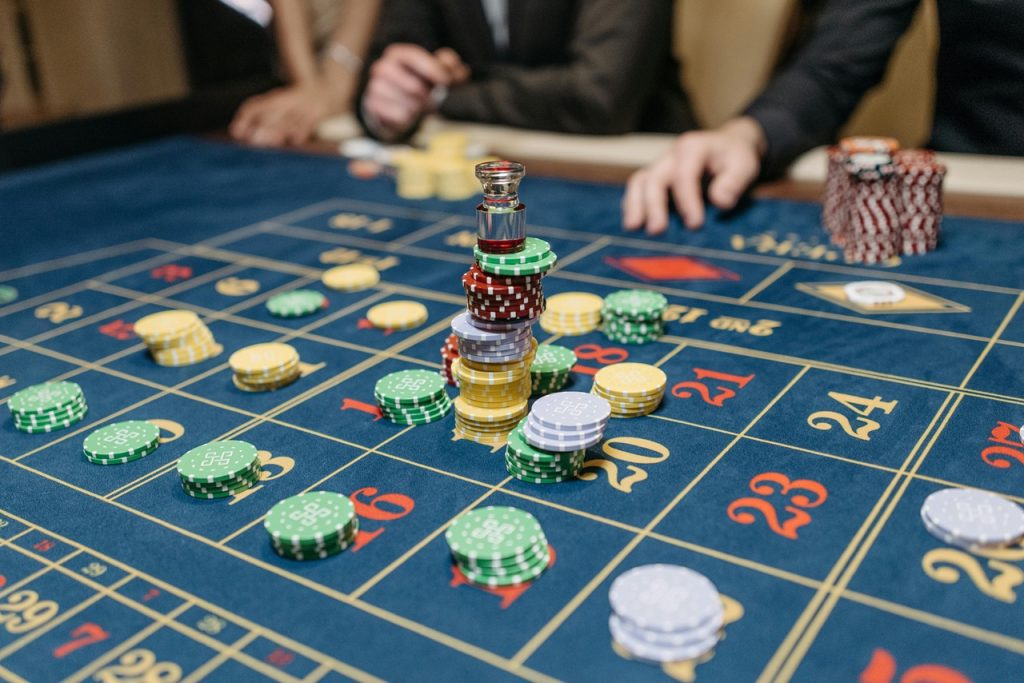
Gambling addiction is a behavioral addiction in which a person is not able to control his/her desire to gamble even when it is detrimental. The individual keeps on betting money, time and energy instead of halting even when the result is loss of money, emotional tension and legal or relationship issues.
Gambling addiction is a mental health disorder since it triggers the same reward pathways in the brain as drugs or alcohol. People get hooked on the results of the bet, how to recover the losses, and bet more and more in order to have the same adrenaline.
Patients of such kind often experience difficulties with:
- Compulsive urges to gamble
- Loss of control
- Rejection and concealment of gambling.
- Problems with rising financial issues.
- Affective and sex shame.
- Disturbances in employment, family and social life.
However, the addiction may develop as time goes by without treatment. However, it is possible to restore it successfully in the long-term with the help of early intervention and correct attention.
What Are the Symptoms and Causes of Gambling Addiction?
Symptoms of Gambling Addiction
The early recognition of the signs can make people seek treatment before the disorder proceeds. Common symptoms include:
- Obsession with the betting game, always with the thoughts of the manner of betting or how you won.
- Failure to quit even when having intentions of quitting.
- Gambles more to recover the money they had lost.
- Betting more and more to experience excitement.
- Telling beloveds that there was more or less time or money left than there was, that you gambled.
- Taking or using money to keep on gambling.
- Money issues, bills, and debt, or bankruptcy.
- This mood swings, anxiety, or depression, which depends on the outcome of gambling.
- Failure to maintain responsibilities at home, in the workplace or at school.
- Betting to avoid anxiety, boredom, or heartache.
Causes of Gambling Addiction
Gambling addiction has no particular cause. Rather it evolves as a result of a mix of biological, psychological, and environmental influences:
1. Genetics and family history
People who have addiction in their family history might be prone
2. Brain chemistry
Gambling heightens dopamine, and this produces the pleasurable feelings that are akin to drugs.
3. Mental health disorders
The risk can be brought up by anxiety, depression, ADHD, PTSD and bipolar disorder.
4. Personality traits
The poor coping skills, impulsivity, and thrill-seeking behavior help.
5. Stress or trauma
Gambling can be used by people as a way out of emotional pain.
6. Environmental exposure
The availability of casinos, sports betting, and online gambling sites makes them more tempting.
These causes can be used to understand the most efficient way to treat gambling addiction and develop long-term mechanisms of recovery.
Treatment Options for Gambling Addiction
Treatment of gambling addiction is very evidenced-based. The support depends on the severity of the disorder, individual needs, and mental health co-occurring disorder.
The best management of gambling addiction is through the following:
1. Cognitive Behavioral Therapy (CBT)
CBT has been regarded to be the gold standard in gambling addiction treatment. It helps individuals:
- Alter the negative thought patterns.
- Identify triggers
- Teach yourself to handle in a more healthier manner.
- Create relapse prevention strategies.
CBT is also concerned with the emotional and behavioral factors that cause gambling.
2. Medication-Assisted Treatment (MAT)
Although there is no specific drug medication that is approved to gamble addiction, some drugs can be used to treat underlying problems such as:
- Depression
- Anxiety
- Impulse control problems
The most frequent types of drugs are antidepressants, mood stabilizers, and opioid antagonists, which suppress cravings.
3. Support Groups
Peers are important during recovery. Organs like Gamblers Anonymous (GA) adopt a 12 step model and provide:
- Emotional support
- Accountability
- Shared experiences
- A structured recovery path
Professional therapy is usually supplemented by support groups.
4. Family Therapy
Family members are greatly affected by gambling addiction. Family therapy helps:
- Rebuild trust
- Improve communication
- Address financial strain
- Strengthen relationships
The presence of a support system promotes favorable recovery results.
5. Inpatient and Outpatient Treatment Programs
Treatment centers of gambling addiction provide individual-based care.
- Severe addiction is best treated in an inpatient facility which offers 24/7 assistance in a supervised setting.
- Outpatient treatment enables one to receive treatment and be able to go on with everyday life.
6. Dual Diagnosis Treatment
Several individuals who have addictive gambling suffer other mental health disorders. Dual diagnosis programs do not cure one, but cure the other condition as they reduce the risk of relapse.
Self-Help Strategies for Gambling Addiction
Professional therapy is truly necessary, but self-help can be used to assist in rehabilitation and allow people to take charge of their lives.
1. Identify Triggers
Be aware of the reasons that make you gamble, stress, boredom, loneliness or financial pressure and substitute it with other healthier ones.
2. Block Access to Gambling
Use tools like:
- Website blockers
- Casino self-exclusion programs.
- Banking limits gambling operations.
This helps to minimize the urge to impulsive gambling.
3. Set Financial Boundaries
Set aside money with someone whom you can trust or lock up financial management equipment to prevent wasteful spending.
4. Find Healthy Ways to Cope
Gambling urges can be decreased in the activities one does, e.g. exercises, journaling, meditation, or hobbies, or by spending time with supportive friends.
5. Celebrate Progress
Small milestones matter. Respond to improve yourself.
6. Be Honest with Loved Ones
Accountability and emotional support are made by sharing what you are going through.
Where to Find Support for a Gambling Addiction
Locating the appropriate support is an important measure to recovery. In order to find treatment to addicts of gambling, people can refer to:
- Psychologists and psychiatrists.
- Licensed drug addiction counselors.
- Addiction treatment facilities of gambling.
- Support groups (online and face-to-face).
- Debt management financial advisors.
At Solutions Healthcare, we offer caring and confidential and holistic care, according to your needs. Help can be received whether you need therapy or support groups or the entire addiction recovery program.
Who Can Treat Gambling Addiction?
The trained professionals should treat gambling addiction and they include:
- Authorized counselors with license in mental health.
- Psychiatrists
- Licensed drug addiction counselors.
- Nurse practitioners and other behavioral health experts.
- Gambling addiction treatment centers.
- Dual diagnosis experts
Evidence-based therapies, customized treatment approaches, and extended care are employed by these professionals in helping clients achieve a path towards recovery.
Nowadays, help is on board when you or a loved one are faced with a compulsive gambling problem.

Get Professional Gambling Addiction Treatment at Solutions Healthcare
The addiction to gambling does not fade away by itself- but recovery is most definitely possible with the appropriate support. We are in Solutions Healthcare and our business is evidenced based care to the adult, teen, and family members who have a gambling disorder.
📞 Call Today: (386) 866-3600
Begin your trip to healing and restore your life.
FAQs About Gambling Addiction Treatment
1. How to completely quit gambling?
Therapy, support groups, financial management, and environment control are all that is needed to stop gambling. CBT, accountability partners, self-exclusion programs, and professional assistance offered by treatment facilities are some of the ways through which many people succeed.
2. What are the stages of a gambling addict?
The stages typically include:
- Winning stage- initial wins generate excitement.
- Dissociation with reality- Loss of track and heightened gambling.
- Despair stage- economic and emotional effects.
- Hopeless phase- strong isolation, guilt or crisis.
Early intervention can stop progression.
3. How to help a partner with gambling addiction?
Give emotional comfort, promote professional therapy, do not enable, establish financial limits, and go to therapy or support groups together.
4. How can I help my son with his gambling addiction?
Talk openly without being judgmental, consult a therapist or addiction counselor, establish clear limits and family or individual recovery programs as a long-term support.
5. What is the most effective treatment for gambling addiction?
The most effective treatment is said to be Cognitive Behavioral Therapy (CBT). It assists the people to learn the triggers, change negative thinking and develop healthy coping mechanisms.