
The process of how one can recover after 7-OH, kratom, and opioids first starts with the skills to comprehend the effect that the substances have on the brain and body on a long-term basis. Even though people might say that kratom or 7-OH might be less harmful than prescription medication, as well as other illegal opioids, all three substances are capable of causing physical addiction and mental uneasiness, along with withdrawal symptoms, which, in the majority of cases, may only be overcome through the assistance of organized support.
It is no recuperation of the spirit. It involves education, medical guidance, emotional support, and an approach that allows simultaneous withdrawal as well as gradual therapy. This is the manual concerning what 7-OH really means, its intended use, dependency mechanism, and how individuals can be put in a safe and effective recovery mechanism when under care.
100% Confidential Support is Available 24/7
No matter what you’re going through, you’re not alone. Our dedicated team is here to provide a safe, judgment-free space where you can talk openly and honestly. Whether you need emotional support, resources, or just someone to listen.
We’re here for you—completely confidential and always respectful of your privacy. Call us today!
What is 7OH?
7-Hydroxymitragynine, also known as 7OH, is an extremely strong alkaloid found in kratom. It mediates a lot of opioid-type effects of kratom and strongly binds to mu-opioid receptors of the brain. Even when used in low doses, 7OH may cause a severe pain-relieving effect and euphoria.
Due to the difference in strength, the risk of tolerance, dependence, and withdrawal from 7-OH is high compared to raw kratom leaf. Current kratom products have been fortified with more 7OH, which is a serious safety concern.
How Long Does 7OH Last?
The normal duration of action of 7OH is 4 to 8 hours and the action is dependent on dose of the product, metabolism, and product strength, which occurs between 30 and 60 minutes. There are other undesirable effects of nausea, sedation, and respiratory suppression, but increased dosage can provide long-term effects.
This constant use will have the tendency of reducing perceived time and will report an increased tolerance, hence will result in increased frequency of doses by the user.
How Long Does 7OH Stay in Your System?
A couple of days later, 7OH can still be experienced in the body. The psychoactive effects are short-lived and disappear within a few hours; however, the metabolites may be long-lasting, which may take up to one week in the urine in the case of high frequency or high usage. Such factors include hydration, liver performance, and the health of the person which may affect elimination time.
What are 7OH Tablets?
7OH pills are diluted forms of kratom extract, which is pressed into pills. They can be sold as legal supplements, but the effects of these products are far more opioid-like than normal kratom powder is.
The inconsistent dosing and the untrustworthy labeling of most medications makes tablets a serious predisposing factor to overdose, dependence, and withdrawal symptoms.
What Does 7OH Feel Like?
Users usually claim that 7OH feels like warmth, relaxation, pain relief, and slight euphoria. When taken in excess, it can lead to drowsiness, slow breathing, confusion, dizziness, or even nausea.
The desired effects tend to fade away with time as the adverse ones gain prominence.
How Long Does 7OH Take to Kick In?
Most users can feel the effects of 7OH 30 to 45 minutes. Both tablets and extracts can be able to compete with raw kratom, as they are better bioavailable.
The faster one rewards the brain, the faster the brain rewards pursuing a path, and the addict one becomes.
How Strong is 7OH?
7OH is much stronger than the main kratom alkaloid, mitragynine. Even low dosages increase disproportionately, even at low doses.
This power is the reason why many people can become dependent faster than is supposed to be the case.
Is 7OH Stronger Than Morphine?
The experiments conducted on animals show that 7OH fuses with the mu-opioid receptors more strongly than morphine to a milligram-to-milligram basis. The subjective consequences may be different, but the presented comparison points to the threats of addiction and withdrawal being very high concerning 7OH.
How Long Does 7OH Withdrawal Last?
The withdrawal process normally starts between 12 and 24 hours after the last intake that occurs. The acute symptoms can also peak in days between 2 and 4 and may occur for up to a week.
The persistent nature of lingering symptoms like anxiety, insomnia, irritability, low mood, and fatigue continues to occur for several weeks without prospects of proper treatment and support.
How to Quit 7OH
Sudden cessation of the 7OH can be very uncomfortable and even medically dangerous. An organized plan that incorporates a medical supervision and symptom management with emotional support has a strong positive impact on safety and low risks of relapse.
How to Taper Off 7OH
Tapering can be defined as a decrease in dose over time in the effort of allowing the nervous system to normalize. The medically-supervised taper program is the method of decreasing the impact of withdrawal effects and the likelihood of a new substance dose.
The self-controlled tapering is not effective because consistency of dose intake, craving, and poor management of symptoms are deficient.
How Much 7OH is Too Much?
7OH does not have a universally safe dosage. Potency differs greatly among the products, and tolerance may ensue quickly.
Dependence, overdose, and long-term neurological and psychological implication risks are augmented with any growth of dose.
What Does 7OH Look Like?
7OH is normally available as pills, capsules, liquid shots, or powdered extracts. These are often formulated to appear like dietary supplements, and therefore they are likely to be misused.
How Addictive is 7OH?
7OH is a very addictive drug because it is very active at opioid receptors. Frequent consumption causes tolerance, physical dependence, and withdrawal symptoms like the traditional opioid.
The addictive nature of amphetamine is not taken seriously by many people until one tries to quit using it.
Contact Solutions Healthcare
Battling with Drug and Alcohol Addition? Remember, you are not alone and we are here to help you!
Legal Status and Regulatory Concerns
7OH exists in a legal grey area. In most states, though legal, there has been an increase in regulatory and local regulations of individual states, and with the increase in popularity of kratom and its perceived strength, safety, and abuse, the regulatory impact has begun to increase with bans in some states.
What States Have Banned 7OH?
Various states and several cities have restricted kratom and high levels of extracts of kratom (like 7OH). Regulations continue to be amended depending on the research available and adverse events.
Will 7OH Show Up on a Drug Test?
The regular tests do not test 7OH as converting drugs. However, special tests are capable of detecting all kratom alkaloids, and false positive and cross-reactivity may occur on some opioid testing.
What Does 7-Hydroxymitragynine Do to You?
7OH modulates pain, mood and respiration by stimulating the opioid receptors. Chronic use may interfere with the brain chemistry, inhibit the body from producing natural endorphins, and regulate emotions and stress tolerance.
Health Hazards and Safety Issues.
Constant use of 7OH, kratom, or opioids preconditions an individual to load his/her liver, develop an hormonal imbalance, depression, anxiety, overdose, etc.
These substances are deadly in combination with alcohol,benzodiazepines, or other tranquilizers; in this case, there is a certain threat of unconsciousness and even death.
How to Recover from 7-OH
Treatment of learning how to recover from 7-OH involves a multifaceted approach, which includes medical detox, withdrawal management, behavioral therapy, and relapse prevention planning.
Since withdrawals due to the 7OH are to a large extent similar to opioid withdrawal, medical treatment enhances safety and comfort.
How to Recover from Kratom
Learning to recover after Kratom has to touch upon its physical and psychological dependence. It can be treated by gradual tapering or medically supervised detox followed by counseling to help the person deal with pain, stress, or underlying mental health problems.
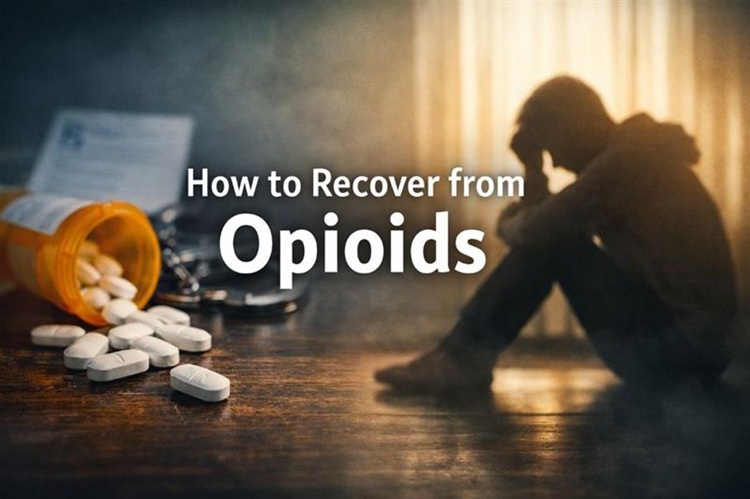
How to Recover from Opioids
The knowledge of making the addiction a long term yet recoverable term is called knowing how to recover from Opioids. Long-term recovery planning, peer support, medication-assisted treatment and therapy are usually regarded as evidence-based aspects of care.
When to Seek Help
Professional help is strongly recommended when the individual cannot continue living a normal life because of withdrawal symptoms, the use of drugs and addictive substances cannot be stopped despite its adverse effects, or when the usage of drugs and addictive substances does not appear to be controlled.
This is because early intervention reduces the occurrence of complications and enhances sustainable recovery.

Get Help for 7OH and Kratom Addiction
Recovery does not necessarily have to be carried out independently. Solutions Healthcare offers compassionate care, which is evidence-based, to patients facing 7OH, kratom, and opioid dependence.
Our services are of high standards of individual care, security, dignity, and longevity.
Take the first step today. In order to heal with expert attention, you can call Solutions Healthcare or insist on a private examination to begin your healing process.
Disclaimer
This content is for educational purposes only and is not intended to replace professional medical advice, diagnosis, or treatment. Always consult a qualified healthcare provider before making changes to substance use or treatment plans.
Frequently Asked Questions
How long does it take for 7OH to get out of your system?
7OH typically clears from the body within 3 to 7 days, depending on frequency of use, dosage, metabolism, and liver function. Chronic use may extend detection time due to accumulation of metabolites.
How long does it take for the brain to return to normal after opioids?
Brain recovery varies, but many people begin to see improvements within weeks. Full neurochemical balance may take several months, especially after long-term opioid use, with therapy and healthy routines supporting healing.
What is the antidote for kratom?
There is no specific antidote for kratom. In emergency situations involving respiratory depression, naloxone may be used due to kratom’s opioid-like effects, though results can vary.
How do you reverse the effects of opioids?
Naloxone is used to reverse opioid overdoses by blocking opioid receptors. For recovery, ongoing treatment focuses on stabilization, withdrawal management, and long-term behavioral and medical support.
Does Suboxone help with 7OH?
Suboxone may help manage withdrawal symptoms related to 7OH due to its opioid receptor activity. Use should always be supervised by a medical professional experienced in addiction treatment.
What reduces withdrawal symptoms?
Medical detox, hydration, proper nutrition, medications, and emotional support can significantly reduce withdrawal symptoms. Structured care improves comfort and lowers relapse risk.
What is the timeline for opioid withdrawal?
Opioid withdrawal usually begins within 8–24 hours, peaks at 2–4 days, and gradually improves over 7–10 days. Some symptoms, such as insomnia or anxiety, may persist longer without treatment.
Sources
- National Institute on Drug Abuse (NIDA)
- U.S. Food and Drug Administration (FDA) – Kratom Safety Communications
- Substance Abuse and Mental Health Services Administration (SAMHSA)
- Peer-reviewed studies on 7-hydroxymitragynine pharmacology and opioid receptor activity