The use of drugs isn’t just about the body. A person’s mental health can be influenced by the effects of drugs and may impact their thoughts, feelings, behaviors, and relationships. Overusing prescription and/or using illegal drugs can result in anxiety, depression, mood swings, memory problems and many more mental health disorders. Preventing, providing early intervention and supporting lasting recovery is a first step, and that step is making education on the effects of drugs on mental health the first step in caring for mental health.
Solutions Healthcare is providing compassionate, evidence-based treatment that helps clients and their loved ones who struggle with substance abuse and mental health issues at the same time.
Key Takeaways
- Brain function can change because of drugs and they can affect feelings, thinking and behavior.
- It is very common for mental health disorders and substance use disorders to co-occur.
- Treatment should start as soon as possible and the sooner you are treated, the better.
- Receiving a drug overdose can cause permanent brain damage or death.
- The withdrawal symptoms may involve physical effects, as well as psychological effects.
- Treatment by professionals should tackle both addiction and mental illness simultaneously.
What Are Drugs?
Drugs are chemicals that alter the way the body and/or brain work. Medications are used to treat the health problems of the individual or are used illicitly or “off prescription.”
Common categories include:
- Prescription opioids
- Stimulants
- Sedatives
- Cannabis
- Cocaine
- Methamphetamine
- Heroin
- Hallucinogens
Certain drugs are safe, but if not taken correctly can cause addiction and affect mental health.
What is Drug Addiction?
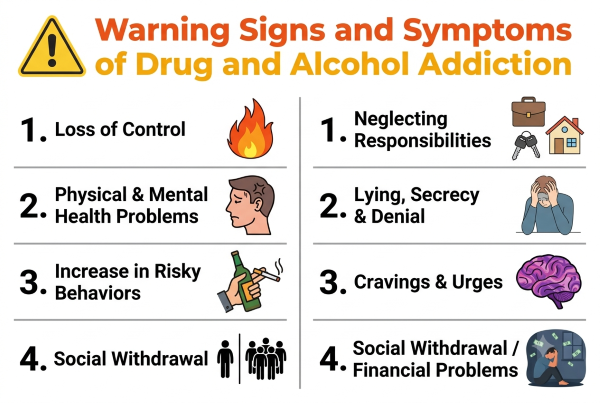
Drug addiction is often referred to as substance use disorder and is a chronic medical condition in which a person is a recurring user of drugs despite the known destructive effects.
Individuals in addiction may have:
- Strong cravings
- Loss of control when using drugs
- Difficulty stopping
- Using the product when there are health or family issues
- Withdrawal symptoms when trying to quit = bad headaches.
Reports from the National Institute on Drug Abuse (NIDA) state that addiction affects the reward, stress, and self-control portions of the brain and without addiction treatment, it is challenging to get sober.
Effects of Drugs
The overall effect of the drugs depends on the type of drug, dose of drug and frequency of use, and a person’s health.
Some of the side effects that are observed in the short term are:
- Poor judgment
- Mood changes
- Anxiety
- Confusion
- Sleep disturbances
- Increased heart rate
- Hallucinations
- Aggressive behavior
With the passing of time, these ailments grow worse and are ultimately a major factor in the effects of drugs on mental health.
Effects of Drugs and Alcohol on Mental Health
Alcohol and drugs tend to build on each other. They can go a long way to support emotional wellness when working in tandem.
Potential Mental Health Impact:
- Depression
- Panic attacks
- Anxiety disorders
- Irritability
- Suicidal thoughts
- Emotional numbness
- Psychosis
- Social withdrawal
According to the Substance Abuse and Mental Health Services Administration (SAMHSA), people with the double diagnosis of mental illness and drug or alcohol addiction are said to be suffering from co-occurring disorders.
Get Help Before the Problem Gets Worse
There is a chance to improve and the effects of drugs on mental health can be worse as time goes on. The addiction specialists and mental health pros at Solutions Healthcare develop a totally individual and tailored treatment strategy to help tackle addiction recovery in addition to the emotional support that is needed.
Call today and get a confidential evaluation to start the process of lasting recovery.
Effects of Drug Overdose
A drug overdose can be an emergency.
Possible consequences include:
- Brain damage
- Oxygen deprivation
- Heart failure
- Organ damage
- Coma
- Death
There are several changes that can affect their cognition and emotions that may last after the overdose, making it difficult for someone to function.
Effects of Drugs on the Brain
All thoughts, feelings, and actions are under the control of the brain. Medications affect the normal messaging between the brain’s cells.
Changes in brain chemistry are often the first signs of the effects of drugs on mental health include:
- Reduced decision-making
- ability
- Poor concentration
- Memory loss
- Increased impulsivity
- Emotional instability
- Lower motivation
- Reduced pleasure seeking and/or keeping pleasure.
Important brain circuits which control learning, stress management, and self-control may be permanently altered with long-term use.
Effects of Drugs on the Body
Almost all of the organs and systems of the body are targets for drug abuse.
Some typical physical symptoms are:
- Heart disease
- High blood pressure
- Liver damage
- Kidney disease
- Lung problems
- Weakened immune system
- Digestive issues
- Hormonal imbalance
Sexual dysfunction:
In many cases, mental health suffers as well, and it is important to also receive comprehensive treatment.
Communities often experience:
- Increased healthcare costs
- Higher crime rates
- Workplace accidents
- Lost productivity
- Family breakdown
- Child neglect
- Homelessness
- Financial hardship
Prevention and support for stigma is key to recovery and to communities being healthier.
Effects of Drugs on the Face
One of the most noticeable side effects of many drugs is appearance changes.
Side effects that may affect your face are:
- Premature aging
- Skin infections
- Acne
- Facial sores
- Tooth decay
- Sunken eyes
- Weight loss
- Dry skin
- Poor hygiene
Often these changes are perceptible and a sign of serious health problems on the inside.
Effects of Drug Abuse on Society
Alcoholism and drug abuse do not just impact the person utilizing this substance.
Communities often experience:
- Increased healthcare costs
- Higher crime rates
- Workplace accidents
- Lost productivity
- Family breakdown
- Child neglect
- Homelessness
- Financial hardship
Stigma prevention and support are fundamental to recovery and to communities being healthier.

Effects of Drugs Before and After
Before drug addiction, many folks are enjoying healthy relationships, stable jobs, and emotional balance.
Those who use drugs inappropriately can over time have:
- Mental health decline
- Relationship conflicts
- Financial problems
- Job loss
- Legal issues
- Physical illness
- Social isolation
- Poor standard of living.
Fortunately, many do recover the majority of their health and get productive lives back thanks to treatment.
Effects of Drug Withdrawal
However, withdrawal is the process of an individual stopping the consumption of a specific substance, something to which he or she has become dependent through repeated usage.
The signs and symptoms range and often include:
- Anxiety
- Depression
- Sweating
- Tremors
- Nausea
- Insomnia
- Mood swings
- Strong cravings
- Irritability
Medical supervision is advised as withdrawal from some substances can start to be dangerous.
Negative Effects of Drugs on Mental Health
Drugs’ effects on mental health may be a gradual or sudden onset.
Some of the most common mental health consequences are:
- Depression
- Anxiety disorders
- Panic attacks
- Paranoia
- Psychosis
- Memory impairment
- Difficulty concentrating
- Emotional instability
- Increased suicide risk
- Poor stress management
People already suffering from emotional well-being issues are more vulnerable when they are taking drugs.
Long-Term Effects of Drugs on Mental Health
Repeat drug use can cause a long-term psychological imbalance.
Long-term implications may be:
- Chronic depression
- Persistent anxiety
- Cognitive impairment
- Personality changes
- Higher risk of developing schizophrenia and other disorders in the schizophrenia spectrum
- Difficulty maintaining relationships
- Poor emotional regulation
- Reduced motivation
Increased relapse risk
Thankfully, a lot of these challenges improve with early intervention, therapy, medication, healthy lifestyle modifications, and follow-up recovery supports.
Why Integrated Treatment Matters
Studies have found that delivering benefits to patients when addiction and mental health are treated concurrently is better than treating them separately.
Solutions Healthcare offers treatment options like:
- Individual counseling
- Cognitive Behavioral Therapy (CBT)
- Family therapy
- Medication management
- Dual diagnosis treatment
Relapse prevention
Aftercare planning
Combating both side by side leads towards a healthier and more stable life for people.
Start Your Recovery with Solutions Healthcare
The effects of drugs on mental health may impact all aspects of life; however, recovery might be achievable with the proper assistance. The Solutions Healthcare team of experienced clinicians recognizes the link between addiction and mental health. We deliver high-quality, care-than-care treatment based on our evidence.
Do not delay taking action when symptoms are getting worse. Call Solutions Healthcare today to receive a confidential evaluation and to start living a better and drug-free life.
Frequently Asked Questions
What are 5 side effects of drugs?
Five common side effects include anxiety, mood changes, poor concentration, sleep problems, and increased heart rate. Different drugs affect people differently, but these symptoms often become more severe with repeated misuse and should never be ignored.
What are the side effects of mental health drugs?
Mental health medications may cause drowsiness, dry mouth, weight changes, nausea, or dizziness. Most side effects improve over time, and healthcare providers can adjust medications to improve safety and effectiveness when needed.
What are 10 negative effects of drugs?
Common negative effects include addiction, depression, anxiety, memory loss, poor judgment, organ damage, financial problems, relationship conflict, legal issues, and overdose. Long-term misuse may also contribute to permanent brain and mental health changes.
How does substance abuse cause depression?
Drugs change brain chemicals that regulate mood. Over time, the brain struggles to produce natural feelings of happiness, increasing the likelihood of depression, emotional numbness, hopelessness, and difficulty enjoying everyday activities.
What are 5 dangers of drugs?
Major dangers include overdose, addiction, impaired judgment, mental illness, and long-term organ damage. Drug misuse also increases the risk of accidents, violence, infectious diseases, and significant disruptions to work and family life.
How do drugs affect the brain?
Drugs interfere with normal communication between brain cells by altering neurotransmitters. This affects decision-making, memory, emotions, motivation, and self-control. Continued use may produce lasting changes that make addiction harder to overcome.
Can drugs cause mental problems?
Yes. Drug misuse can trigger anxiety, depression, psychosis, paranoia, panic attacks, and cognitive problems. In some people, drugs may worsen existing mental health disorders or contribute to new psychiatric symptoms over time.
What are 5 ways to improve mental health?
Improving mental health includes seeking professional treatment, exercising regularly, maintaining healthy sleep habits, building supportive relationships, and avoiding alcohol and recreational drugs. These habits strengthen emotional resilience and support long-term recovery.
What are the 7 types of mental disorders?
Common categories include anxiety disorders, mood disorders, psychotic disorders, personality disorders, eating disorders, trauma-related disorders, and substance use disorders. Proper diagnosis by a qualified mental health professional ensures appropriate treatment and recovery planning.
Disclaimer
This article is for educational purposes only and should not replace professional medical advice, diagnosis, or treatment. If you or someone you know is experiencing a mental health crisis, substance use disorder, or signs of an overdose, seek immediate medical attention or contact a qualified healthcare professional.
References
- National Institute on Drug Abuse (NIDA). Drugs, Brains, and Behavior: The Science of Addiction. https://nida.nih.gov/publications/drugs-brains-behavior-science-addiction/addiction-health
- Substance Abuse and Mental Health Services Administration (SAMHSA). Co-Occurring Disorders and Mental Health.