
In This Blog
- The Paradox of Alcohol and Stress Relief
- How Alcohol Disrupts Brain Chemistry
- Understanding “Hangxiety” and Withdrawal
- Long-Term Impact on Mental Stability
- The Role of a Monitored Setting
- Navigating the Path to Lasting Wellness
Alcohol and anxiety are two variables whose association is a complicated and misunderstood cycle. Alcohol is a self-medication method by many people which is a culmination of seeking a short time relief of social pressure, intrusive thoughts or physical strain. Taking alcohol offers an immediate feeling of relaxation since it is a central nervous system depressant, and therefore, slows down brain activity. But within a professional recovery setting, such a short-term relief is identified as the antecedent of further emotional instability.
Although the initial beverage will help in mitigating anxiety, the subsequent metabolic process usually causes a backlash action. When the substance is out of the system, the brain compensates more than it has been previously suppressed resulting in an increased agitation state. This phenomenon forms a vicious cycle in which a person takes more and more to get rid of the same anxiety that the alcohol brought about. This is one of the chemical interactions that one has to understand in order to achieve long-term wellness.
Expert Advice: Alcohol is a short term relief system which ultimately increases the fundamental symptoms of chronic anxiety.
The Neurochemistry of Alcohol-Induced Anxiety
To find out the reasons why alcohol triggers anxiety, one has to refer to the neurotransmitter effect of alcohol. Alcohol highly affects the gamma-aminobutyric acid (GABA) which is the major inhibitor chemical in the brain. The alcohol causes a calm feeling by enhancing the GABA activity. At the same time, it blocks glutamate which is an excitatory neurotransmitter. This is a twofold mechanism of slowing down the nervous system and the brain is yet again very flexible and will swiftly attempt to balance the situation by reducing its own natural GABA synthesis and increasing its sensitivity to glutamate.
- Neural Rebound: The brain is in an over-excited condition following the high levels of glutamate and low activity of GABA after the alcohol has been metabolised in the body. This leads to panic, restlessness and heart racing.
- Hormonal Fluctuations: The use of alcohol causes the release of the main stress hormone of the body cortisol. Cortisol levels will result in a continuing sense of on-edge anxiety which may persist long after the physical hangover has passed.
Understanding “Hangxiety” and the Withdrawal Loop
Hangxiety is a term that is used to describe the very emotional condition of being psychologically distressed during an alcohol hangover. Although the physical symptoms of a hangover are not new like headaches or nausea, the psychological symptoms are even more incapacitating. Hangxiety is considered a light withdrawal in a recovery services situation. The brain is actually struggling to operate without the depressant that it has now become accustomed to and therefore, a surge of neural activity increases.
This backlash is devastating to those whose anxiety problems are already in place. The processes of withdrawal that are experienced physically like a racing heartbeat or tremors may resemble the beginning of a panic attack. This tends to give rise to the so-called fear of the fear where the person is anxious concerning the fact that he or she is going to become anxious.
FACT: Alcohol has a great effect on GABA and glutamate concentration in the human brain.
Comparison of Alcohol’s Short-Term and Long-Term Effects
Understanding the shift from temporary calm to long-term distress is vital for recognizing the need for structured care.
Phase of Consumption | Impact on GABA (Calm) | Impact on Glutamate (Excitement) | Resulting Emotional State |
Initial Use | Artificially Increased | Significantly Inhibited | Temporary relaxation/euphoria |
Metabolic Phase | Rapidly Decreasing | Sharp Rebound/Increase | “Hangxiety,” irritability, panic |
Chronic Use | Long-term Depletion | Permanent Hypersensitivity | Chronic anxiety and dependence |
If you have questions about structured care, contact Solutions Healthcare
The Long-Term Impact on Mental Stability
Chronic alcoholism may cause irreversible alterations in the brain stress management mechanism. The natural capacity of the brain to control the mood is damaged over time, which makes it hard to be relaxed without the substance. This has been termed as one of the biggest hindrances to emotional well-being in a treatment setting. This individual might believe that he or she has contracted a generalized anxiety disorder when in fact, the nervous system is undergoing continuous chemical change.
In addition, alcohol interferes with the sleep architecture, namely, decreasing REM sleep. Insufficient restorative sleep is one of the major causes of anxiety and cognitive exhaustion in the day. Sleep hygiene is an essential part of recovery services in a professional recovery setting.
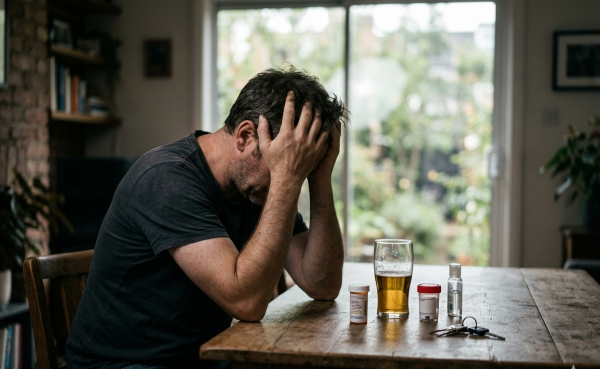
The Role of a Monitored Setting in Breaking the Cycle
The disconnection between alcohol and anxiety is hard to do by itself since the signs of quitting are rather the source of the very anxiety that an individual is striving to get rid of. A skilled and monitored environment offers a secure and trigger-free environment in which the physiological transition may be controlled. This is a fundamental support of avoiding a relapse to use at the most critical early recovery.
Within this environment, patients are provided with controlled care that takes care of the physical and mental components of their situation. This could involve dietary interventions to mend the nervous system, and evidence-based measures in the control of stress. The person is also given a powerful tool to work out his/her own legitimate coping skills that results in permanent stability by removing the crutch of alcohol.
Benefits of Professional Oversight vs. Independent Cessation
The following table illustrates why a structured approach is often more effective for those struggling with alcohol-induced anxiety.
Feature of Care | Independent Attempt | Structured Support Environment |
Safety | High risk of severe withdrawal | 24/7 professional oversight |
Anxiety Management | Often leads to relapse to stop panic | Targeted, non-chemical stabilization |
Environment | Full of social and physical triggers | Controlled, therapeutic setting |
Success Rate | Often hindered by “rebound” symptoms | Enhanced by comprehensive recovery services |
Solutions Healthcare offers information on recovery services for your needs
Developing Healthier Coping Mechanisms
The process of overcoming the anxiety caused by alcohol takes a long time of re-learning to cope with the difficulties of life. Under a structured care program, people undergo different modalities that help them to build emotional resilience. These involve determining certain antecedents that precipitate the desire to drink and coming up with proactive responses not necessarily involving drugs.
The person will feel that his or her automatic anxiety level will automatically reduce as the brain recovers. This is an indicator of a stabilized neurochemistry. The assistance given to people at this stage serves to keep people involved in their long term aspirations, which is a form of encouragement since they find that they can overcome stressful situations on their own. It is a path of returning your mind out of a chemical loop and establishing a ground in a life characterized by true peace.

Building Resilience Through Structured Care
Solutions Healthcare is a professional workplace where one can concentrate on recovery. Our services emphasize on the significance of a supervised environment, whereby everyone will get the specific amount of supervised support based on their individual cases. By adopting a systematic approach, you are placing emphasis on the premise of safety and professional management that favorably facilitates the shift into the realm of healthier and stable lifestyle.
Medical Disclaimer: This blog is for informational purposes only and is not a substitute for professional medical advice.
Key Takeaways
- Alcohol is a depressant that temporarily boosts GABA but causes a long-term deficit.
- “Hangxiety” is a physiological rebound where glutamate levels surge as alcohol clears.
- Chronic use can permanently impair the brain’s natural ability to regulate stress.
- Alcohol disrupts REM sleep, which significantly increases daytime anxiety and irritability.
- A monitored setting is vital for safely managing the anxiety associated with withdrawal.
- Recovery services focus on restoring brain balance and developing authentic coping skills.
FAQs
Why do I feel so anxious after drinking?
This feeling, often called “hangxiety,” happens because alcohol artificially suppresses your nervous system. As it wears off, your brain overcompensates by becoming hyper-active. In a professional recovery environment, this is recognized as a chemical imbalance that requires time and professional oversight to return to a natural, healthy state.
Can alcohol cause a permanent anxiety disorder?
While alcohol can cause long-term changes to brain chemistry, the brain is capable of healing. Chronic use can lead to persistent emotional instability, but within a monitored setting, the brain can often recover its function. Structured care provides the necessary time and support for this neurological repair to occur effectively.
How long does alcohol-induced anxiety usually last?
Initial “hangxiety” usually subsides within 24 to 48 hours as the body metabolizes the substance. However, for those with a history of heavy use, the baseline anxiety can remain elevated for weeks. Supervised support is often necessary during this time to manage the discomfort and prevent a return to use.
Is it safe to stop drinking suddenly?
For those who consume alcohol regularly, stopping suddenly can cause severe anxiety and dangerous physical symptoms. A monitored setting is the safest way to undergo this transition. Professional oversight ensures that the physical and psychological risks are managed, providing a more stable foundation for your long-term wellness and recovery.
Will my anxiety improve if I quit alcohol?
In almost all cases, individuals report a significant decrease in anxiety once their brain chemistry stabilizes after cessation. By removing the chemical “yo-yo” effect of alcohol, the nervous system can find its true balance. Recovery services help facilitate this change by providing tools for natural stress management and emotional stability.