

Short-term side effects of cocaine can include an increased level of energy, alertness, heart rate, blood pressure, body temperature, anxiety, restlessness, paranoia and decreased appetite. Excessive amounts can lead to seizures, an irregular heartbeat, stroke, heart attack or other potentially serious side effects.
Cocaine is extremely addictive and can begin to impact the body and brain in a few moments. Even occasional cocaine use can cause dramatic physical and psychological alterations, making it important to be aware of the short-term effects of the drug. This will depend on the dose of cocaine consumed, the way the drug is injected and the user.
Key Takeaways
- Cocaine is a highly potent stimulant which activates the brain and nervous system.
- Short-term effects range from boosting energy, alertness, heart rate, and blood pressure.
- Some other side effects of cocaine include the appearance of anxiety, agitation, restlessness, paranoia and decreased appetite.
- The symptoms could lead to dangerous changes in body temperature and in the heart or brain function if consumed in larger quantities.
- Cocaine can cause seizures, stroke, heart attack, or death when toxic.
- Exhaustion, sleep, sadness, and increased cravings are possible crash effects of cocaine use.
- If cocaine use is now a problem that is not really easily maintained, a professional resource within addiction treatment might certainly help.
What Are the Short-Term Effects of Cocaine?
These immediate side effects of cocaine use can occur within hours. Cocaine makes people feel happy and more confident, alert and have a lot of energy. While doing that, it also exerts very great pressure on the cardiovascular and nervous system.
These are typical side effects:
- Increased heart rate
- Increased blood pressure
- Dilated pupils
- Increased alertness
- Restlessness or agitation
- Anxiety or irritability
- Reduced appetite
- Difficulty sleeping
- Feelings of euphoria
- Paranoia or suspiciousness
This is not necessarily a desirable experience! Some people start getting nervous, aggressive, panicked or confused. Increased levels increase the risks. Cocaine may lead to heart palpitations, fits, stroke, heart attack, or other complications.
Short-Term Side Effects of Cocaine
The effects of cocaine on the body are mostly short-term in terms of stimulation of the cardiovascular and nervous systems. Cocaine increases both the heart rate and blood pressure and can also make people feel “on edge.”
People can have a lot of energy or feel awake, but that doesn’t mean their body is working safely. Using cocaine puts an extra strain on the heart and can disrupt normal heart rhythm.
These are some of the other physical effects:
- Enlarged pupils
- Loss of appetite
- Restlessness
- Increased body temperature
- Trouble sleeping
- Nausea
- Tremors
- Rapid heartbeat
This risk can be elevated if a person takes higher doses or cocaine more frequently in a brief time frame. Multiple systems may be affected and cocaine toxicity can be manifested with chest pain, convulsions, extreme agitation or symptoms comparable to stroke.
Short-Term Effects of Cocaine on the Brain
The immediate short-term effects of cocaine on the brain include:
Extremely short-term cocaine effects on the brain are closely linked with the cocaine’s stimulant properties. Cocaine can cause a very quick “high” and a sense of alertness.
The drug enters the brain rapidly, with a high level of intensity, depending on how it’s used.
In addition to its impact on mood and behavior, cocaine can also impact the central nervous system. A person might claim that he feels very active, has good energy, and is self-assured at first, but afterwards shows irritability, anxiety, restlessness, and paranoia.
Once a pleasurable effect wears off, a person can have a “crash. This can include exhaustion, confusion, sleep issues, low mood and a craving for cocaine once again.
The use of this cycle can make ongoing maintenance more challenging.
What Causes Cocaine’s Effects?
Cocaine is a stimulant which affects how nerve cells communicate in the brain. It is one of these actions that affects the chemical dopamine, which is related to reward and motivation.
Cocaine can enhance dopamine signaling by blocking the regular elimination of dopamine from particular brain locations. This adds to the activated pleasurable sensation of the drug.
It’s also important to take into account how fast cocaine gets to the brain. These effects of smoking or cocaine injection may come very soon, but snorting tends to have a slower effect.
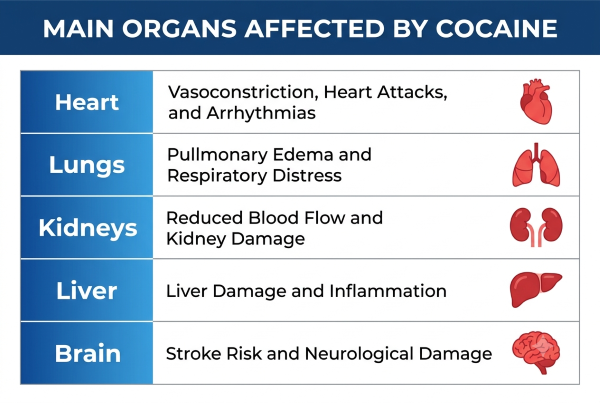
What are the Signs of Cocaine Toxicity?
Cocaine toxicity is a condition brought on by the drug’s toxicity (its ability to have harmful effects, which may be extremely high in concentration) to such a degree that it interferes with the body’s normal functioning. This may constitute a medical emergency.
Some signs may indicate:
- Chest pain
- Loud, racing, or rapid irregular heartbeat
- Agitation or confusion to a severe extent
- Seizures
- Fever (very high temperature): 38 degrees or above
- Severe headache
- Loss of consciousness
- Stroke-like symptoms
- Difficulty breathing
Opioids are not required for an overdose to happen when it comes to cocaine. According to SAMHSA, the abuse of cocaine can lead to heart attacks, strokes, and seizures. Anyone who has a severe reaction after using cocaine should immediately seek emergency medical attention.
If you or someone you love suffers from cocaine addiction, Solutions Healthcare is here to help educate you on treatment options and get you on the path towards break-free. Call the treatment team now and talk about your case and the help you can get.
How Long Do the Short-Term Effects of Cocaine Last?
How long cocaine stays in your body varies depending on the dose consumed, the way it’s used, and personal reactions. Different methods will give differing effects, and some effects are stronger and occur more quickly than others.
What is crucial here is that short-term doesn’t equal a small risk. Cocaine stays in a person’s body and can cause severe cardiovascular or neurological effects.
Another way repeated use can produce a response is for a person to use cocaine when the illicit substance wears off. This can play a part in worsening use and risk.
What Happens When Cocaine Wears Off?
They feel very fatigued, fall asleep for hours, have a sad mood or even have renewed urges.
Often, these experiences can be mistaken for the withdrawal effects of cocaine. While the condition of cocaine dependency is not usually similar to the withdrawal syndromes of other drugs that can harm the body, emotional and psychological effects might be challenging.
It might be really tough to quit if you don’t get help due to strong cravings, low mood, fatigue, irritability, and problems with focusing.
Why Cocaine Use Can Become Difficult to Control
Cocaine is an extremely addictive substance. It can affect the brain’s reward system, which can lead to repeated drug use, especially when an individual starts using cocaine to get the high or to prevent the low.
Another possibility for tolerance is that the individual can build up a tolerance to the same amount, so that it does not have the same effect anymore. This can lead to reuse and/or escalation of use and therefore an increased likelihood of serious harm.
When consumption becomes a part of your daily habit, for sexual use, relationships, work or emotional coping, that’s a good sign that professional assistance is necessary and not waiting until the issue gets worse.

When Should You Seek Help for Cocaine Use?
Don’t wait until you need treatment until you are about to overdose or in a big emergency. If cocaine use is starting to interfere with your life, or seems to be gaining more frequency, increasing in your control or impacting your relationships, responsibilities, finances, physical health or emotional well-being, consider professional assistance!
A qualified addiction treatment professional can evaluate your use of substances to determine the level of treatment needed, explain the treatment options available and work with you to create a realistic recovery plan.
For people who are now prepared to change, contact Solutions Healthcare today. With the help of the professionals, you will know about your options, you will be able to handle your cravings and understand triggers and take a step-by-step recovery.
Disclaimer
This blog is provided for general educational purposes and is not a substitute for medical advice, diagnosis, or treatment. Cocaine can cause serious and potentially life-threatening complications. If someone develops chest pain, seizures, severe confusion, loss of consciousness, difficulty breathing, or other signs of a medical emergency after using cocaine, seek emergency medical care immediately.
Frequently Asked Questions
What is the mode of action of cocaine?
Cocaine primarily acts by interfering with the reuptake of neurotransmitters, particularly dopamine, in the brain. This increases dopamine signaling and contributes to cocaine’s stimulating, rewarding, and euphoric effects. It also stimulates the cardiovascular and nervous systems.
What are the symptoms of cocaine toxicity?
Symptoms of cocaine toxicity may include chest pain, rapid or irregular heartbeat, severe agitation, overheating, confusion, seizures, severe headache, loss of consciousness, or stroke-like symptoms. These signs require prompt emergency medical attention.
Where is cocaine most used?
Cocaine use occurs in many parts of the world. Because patterns of drug use change over time and vary between countries, reliable national and international surveillance data are more appropriate than identifying one location as the single place where cocaine is most used.
How does the body break down cocaine?
The body breaks down cocaine primarily through enzymes that metabolize it into several compounds, including benzoylecgonine. The resulting metabolites are eventually eliminated from the body. The exact rate can vary based on individual biological factors and other substances.
Why do I crave cocaine?
Cocaine cravings can develop because the drug strongly affects the brain’s reward system. Environmental cues, stress, emotional states, and memories associated with cocaine use can also trigger urges. Cravings do not mean recovery is impossible.
What was cocaine used to treat?
Cocaine has a history of medical use as a local anesthetic because it can numb tissue and reduce bleeding. Cocaine hydrochloride remains an approved medical drug for limited uses, although it is rarely used medically in the United States today.
How is cocaine absorbed?
Cocaine can be absorbed through mucous membranes and can enter the body through several routes, including snorting, smoking, and injection. The route affects how quickly cocaine reaches the brain and how intense its effects may be.
References and Content Sources
The primary informational source requested for this article was the National Institute on Drug Abuse (NIDA), “Cocaine.” NIDA: Cocaine Research Topic
Additional authoritative information used for medical and safety context includes the U.S. Drug Enforcement Administration (DEA) Cocaine Drug Fact Sheet and SAMHSA resources on stimulant overdose and treatment.