
For many, their day doesn’t start until that first sip of coffee. Caffeine is among the world’s most popular substances, whether in coffee, tea, energy drinks or soda.
Caffeine is considered harmless by most people. It’s socially acceptable, readily available, and even has some health benefits in small amounts. However, a lot of people have complained of experiencing headaches, irritability, fatigue, or trouble functioning when they don’t take their dose on time.
The answer is not as simple as you’d think. Caffeine does not produce the same degree of damage and addictive responses as drugs such as opioids, cocaine, or alcohol, but it does have withdrawal symptoms for some people.
Knowing how caffeine impacts the brain and where it fits into discussions on Drug Addiction can direct individuals to make considered choices concerning their health.
Is Caffeine An Addictive Drug?
Yes, caffeine can be an addictive substance, as it can affect the brain’s reward system and may lead to physical dependence. But, most health care professionals don’t consider caffeine addiction to be as serious as a substance use disorder.
Caffeine stimulates the central nervous system and increases alertness by blocking adenosine, a chemical that promotes sleep and relaxation.
Regular caffeine use may lead to:
- Dependence
- Tolerance
- Withdrawal symptoms
- Increased consumption over time
The American Psychiatric Association recognizes caffeine withdrawal as a diagnosable condition, highlighting its potential to affect daily functioning.
According to the National Institutes of Health (NIH), caffeine is the most widely consumed psychoactive substance in the world and can produce physical dependence in regular users.
Caffeine And Drug Addiction
Caffeine and Drug Addiction share some similarities, but there are also important differences.
Both caffeine and addictive drugs can:
- Affect brain chemistry
- Influence dopamine activity
- Cause dependence
- Produce withdrawal symptoms
- Lead to cravings
However, caffeine typically does not cause the severe behavioral disruptions associated with substance use disorders.
Unlike many addictive drugs, caffeine generally does not lead to:
- Significant social impairment
- Dangerous intoxication
- Criminal behavior
- Severe health deterioration
- Life-threatening withdrawal
This distinction helps explain why caffeine is often viewed differently from substances such as opioids, methamphetamine, or cocaine.
100% Confidential Support is Available 24/7
No matter what you’re going through, you’re not alone. Our dedicated team is here to provide a safe, judgment-free space where you can talk openly and honestly. Whether you need emotional support, resources, or just someone to listen.
We’re here for you—completely confidential and always respectful of your privacy. Call us today!
Caffeine Effects On The Brain
Caffeine affects the brain by blocking adenosine receptors. Adenosine normally helps regulate sleepiness and relaxation.
When caffeine blocks adenosine, people often experience the following:
- Increased alertness
- Better concentration
- Improved reaction time
- Reduced fatigue
- Elevated mood
Caffeine may also indirectly increase dopamine activity, which contributes to its rewarding effects.
Over time, the brain adapts to regular caffeine use. This adaptation can reduce caffeine’s effectiveness and increase reliance on daily consumption.
Researchers at Johns Hopkins Medicine have noted that caffeine produces many of the characteristics associated with dependence, including tolerance and withdrawal.
Contact Solutions Healthcare
Battling with Drug and Alcohol Addition? Remember, you are not alone and we are here to help you!
Caffeine Dependence Signs
Not everyone who drinks coffee is addicted. However, some individuals may develop caffeine dependence.
Common signs include:
- Needing caffeine to feel normal
- Difficulty functioning without caffeine
- Increasing caffeine intake over time
- Experiencing withdrawal symptoms
- Continued use despite unwanted side effects
People who consume large amounts of caffeine may notice stronger dependence symptoms.
Sources of caffeine include:
- Coffee
- Tea
- Energy drinks
- Soft drinks
- Pre-workout supplements
- Certain medications
Recognizing dependence early can help prevent excessive consumption.
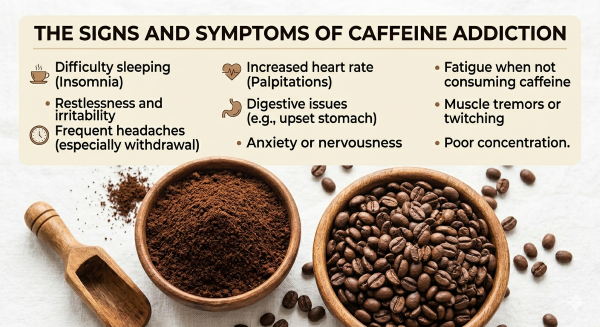
Caffeine Withdrawal Symptoms
One of the strongest indicators that caffeine can be addictive is the presence of withdrawal symptoms.
Withdrawal symptoms often begin within 12 to 24 hours after stopping caffeine.
Common symptoms include:
- Headaches
- Fatigue
- Irritability
- Difficulty concentrating
- Low mood
- Drowsiness
- Brain fog
For some people, these symptoms can significantly interfere with work, school, and daily activities.
Caffeine Withdrawal Timeline
Time After Last Dose | Common Symptoms |
12 to 24 Hours | Headache, fatigue |
24 to 48 Hours | Peak withdrawal symptoms |
2 to 7 Days | Gradual improvement |
Up to 2 Weeks | Full adjustment for some users |
The U.S. Food and Drug Administration notes that caffeine withdrawal symptoms are real and may occur in individuals who regularly consume caffeine.
Caffeine Tolerance Development
Tolerance occurs when the body becomes accustomed to caffeine and requires more to achieve the same effect.
As tolerance develops, people may find themselves
- Drinking larger amounts of coffee
- Consuming multiple energy drinks daily
- Taking caffeine supplements
- Increasing caffeine throughout the day
Higher caffeine consumption can increase the risk of side effects and dependence.
Tolerance does not necessarily mean addiction, but it can contribute to habitual use.
100% Confidential Support is Available 24/7
No matter what you’re going through, you’re not alone. Our dedicated team is here to provide a safe, judgment-free space where you can talk openly and honestly. Whether you need emotional support, resources, or just someone to listen.
We’re here for you—completely confidential and always respectful of your privacy. Call us today!
Side Effects of Caffeine
Moderate caffeine consumption is generally safe for most healthy adults. However, excessive intake can lead to unwanted effects.
Potential side effects include:
- Anxiety
- Restlessness
- Rapid heartbeat
- Elevated blood pressure
- Insomnia
- Digestive discomfort
- Jitters
Some individuals are more sensitive to caffeine than others due to genetics, age, medication use, or underlying health conditions.
Children, adolescents, and individuals with certain medical conditions may be particularly vulnerable to negative effects.
Caffeine And Mental Health
Caffeine can affect mental health in both positive and negative ways.
Some people report:
- Improved mood
- Better focus
- Increased productivity
Others may experience:
- Anxiety
- Panic symptoms
- Sleep disruption
- Increased stress
People with anxiety disorders may notice that high caffeine intake worsens symptoms.
Because sleep plays an important role in emotional health, excessive caffeine use can indirectly affect mood and mental well-being.
The National Institute of Mental Health emphasizes that sleep quality significantly influences emotional regulation, stress management, and overall mental health.
100% Confidential Support is Available 24/7
No matter what you’re going through, you’re not alone. Our dedicated team is here to provide a safe, judgment-free space where you can talk openly and honestly. Whether you need emotional support, resources, or just someone to listen.
We’re here for you—completely confidential and always respectful of your privacy. Call us today!
Caffeine Risks For Young Adults
Young adults often consume caffeine through coffee, energy drinks, and workout supplements.
High caffeine intake among adolescents and young adults has been associated with:
- Sleep deprivation
- Academic difficulties
- Increased anxiety
- Elevated stress
- Poor concentration when caffeine is unavailable
Energy drinks deserve special attention because they often contain high caffeine levels combined with other stimulants.
Understanding caffeine content can help young people make safer choices.
How to Reduce Caffeine Consumption
People who want to reduce caffeine consumption often benefit from a gradual approach.
Helpful strategies include:
Step 1: Track Consumption
Monitor caffeine intake from:
- Coffee
- Tea
- Energy drinks
- Soda
- Supplements
Step 2: Reduce Slowly
Gradual reduction helps minimize withdrawal symptoms.
Step 3: Increase Hydration
Water can help reduce headaches and improve energy levels.
Step 4: Improve Sleep Habits
Better sleep may reduce reliance on caffeine.
Step 5: Replace Habits
Consider alternatives such as:
- Herbal tea
- Decaffeinated beverages
- Exercise
- Healthy snacks
Many people find that gradual changes are easier to maintain long term.

Caffeine And Drug Addiction Treatment
While caffeine dependence rarely requires formal addiction treatment, understanding the differences between caffeine use and serious Drug Addiction can be valuable.
Substance use disorders involving alcohol, opioids, stimulants, or other drugs often require professional intervention because they affect brain function, behavior, relationships, and overall health in much more severe ways.
Recognizing when substance use becomes harmful is an important step toward recovery.
Caffeine And Recovery Support
If you or someone you love is struggling with Drug Addiction, professional support can make a significant difference. At Solutions Healthcare, individuals throughout Central Florida receive evidence-based care designed to address both substance use disorders and co-occurring mental health conditions.
SHC offers comprehensive treatment services including addiction treatment programs, mental health counseling, medication management, outpatient care, dual diagnosis treatment, and individualized recovery planning. Their experienced clinical team uses proven approaches such as Cognitive Behavioral Therapy (CBT), Dialectical Behavioral Therapy (DBT), Motivational Interviewing, and trauma-informed care.
What sets Solutions Healthcare apart is its commitment to personalized treatment that addresses the unique needs of each individual and family. Their compassionate team works to help clients build healthy coping skills, improve emotional wellness, and achieve lasting recovery.
To learn more about available treatment options, call (386) 866-3600 or visit the SHC Contact Page.
FAQs
Is caffeine technically an addictive drug?
Yes. Caffeine can produce dependence, tolerance, and withdrawal symptoms, which are characteristics associated with addictive substances. While caffeine addiction is generally less severe than addiction to drugs or alcohol, regular use can lead to physical dependence and discomfort when consumption is reduced or stopped.
Can you become addicted to coffee?
People typically become dependent on the caffeine in coffee rather than the coffee itself. Regular daily consumption can lead to tolerance and withdrawal symptoms if intake suddenly stops. Many individuals develop routines around coffee use that may reinforce continued consumption and habitual caffeine dependence.
What are the symptoms of caffeine withdrawal?
Common caffeine withdrawal symptoms include headaches, fatigue, irritability, low energy, difficulty concentrating, and mood changes. Some people may also experience drowsiness or reduced motivation. Symptoms often begin within a day of stopping caffeine and gradually improve as the body adjusts to lower intake levels.
How much caffeine is considered safe?
For most healthy adults, up to 400 milligrams of caffeine per day is generally considered safe. This amount is roughly equal to four cups of brewed coffee. Individual tolerance varies, and some people may experience side effects such as anxiety, insomnia, or rapid heartbeat at lower amounts.
Are energy drinks more addictive than coffee?
Energy drinks are not necessarily more addictive than coffee, but they often contain high amounts of caffeine and additional stimulants. Their appealing flavors and convenience may encourage greater consumption, increasing the risk of excessive caffeine intake, dependence, and unwanted side effects in some individuals.
How long does caffeine withdrawal last?
Most caffeine withdrawal symptoms improve within two to seven days after reducing or stopping caffeine use. However, symptom severity and duration vary depending on individual sensitivity and consumption levels. Gradually decreasing caffeine intake often helps minimize withdrawal effects and improve comfort during the adjustment period.
Does caffeine affect dopamine?
Yes. Caffeine indirectly influences dopamine activity in the brain, which contributes to increased alertness, improved mood, and rewarding effects. Although its impact is less intense than many addictive substances, dopamine involvement helps explain why some individuals regularly seek caffeine and develop dependence over time.
Can caffeine worsen anxiety?
Yes. High caffeine intake can increase anxiety, nervousness, restlessness, and panic symptoms, especially in sensitive individuals. Because caffeine stimulates the central nervous system, it may intensify physical sensations associated with anxiety. Reducing caffeine consumption often helps decrease symptoms in people prone to anxiety disorders.
Is caffeine dependence dangerous?
Caffeine dependence is generally less serious than substance use disorders involving alcohol or illicit drugs. However, excessive caffeine use can contribute to sleep problems, anxiety, elevated heart rate, and impaired daily functioning. Monitoring intake and maintaining moderation can help reduce potential health and lifestyle concerns.
Should I quit caffeine completely?
Not necessarily. Many people consume caffeine safely and enjoy its benefits in moderation. Whether to reduce or eliminate caffeine depends on personal health factors, symptoms, and goals. Individuals experiencing anxiety, sleep disturbances, or dependence may benefit from lowering intake under appropriate guidance when needed.
Can children consume caffeine safely?
Children and adolescents are generally more sensitive to caffeine than adults and may experience stronger side effects. Excessive caffeine can affect sleep, concentration, mood, and development. Limiting caffeine intake is typically recommended, especially from energy drinks and highly caffeinated beverages commonly marketed to younger consumers.
When should someone seek help for substance use?
Professional help should be considered when substance use begins affecting physical health, mental wellbeing, relationships, work, school performance, or overall quality of life. Early intervention can improve recovery outcomes, provide appropriate support, and help prevent more serious consequences associated with ongoing substance misuse.
References
- National Institutes of Health (NIH) – Caffeine Use Disorder Research
- Johns Hopkins Medicine – Caffeine and Dependence
- U.S. Food and Drug Administration – Spilling the Beans: How Much Caffeine Is Too Much?
- WebMD – Caffeine Myths and Facts
- Mayo Clinic – Caffeine: How Much Is Too Much?
- National Institute of Mental Health
- American Psychological Association – Substance Use and Addiction
- Centers for Disease Control and Prevention
- Solutions Healthcare
- Solutions Healthcare Contact Page