
The Autism and Addiction: The Self-Medication Relationship is an additional indispensable part of the learning concerning the overall interdependency of the neurodiversity with the substance abuse in the complex field of the intersection of the two organizations, the families, the clinicians, and the subjects. In some other scenarios, autism and addiction are mere accompaniments of one another, but in small yet effective ways, as the autistic individuals resort to the substances to be rid of the feelings and the overabundant sensory or peer pressure. This association is predestined and can be achieved during the previous phases by the use of caring, which would lead to quality treatment results.
Autism and Addiction
There are comorbidities between Autism and Addiction in which intake of the substances has become habituated as a form of self-protection against the projected sensory overload, anxiety, and social problems. Autistic individuals can think about alcohol consumption or drug use to deal with their emotions and make themselves vulnerable to addiction without the proper support in an attempt to feel less stressed/feel more comfortable in a social situation.
Key points at a glance:
- The drugs would also alleviate short-term pain of a sensory or emotional nature.
- Self-medication is most likely to come about as a consequence of social anxiety.
- Late age or late diagnosis of autism puts one at risk of addiction.
- A more expert branch of treatment of autism is better informed and to be applied.
What is Autism Spectrum Disorder?
Autism Spectrum Disorder (ASD) determines how people perceive the world and others based on emotions, as well as how they relate to others. On the other hand, addiction develops when an individual uses substances or engages in a practice to solve the distress several times and starts to lose its functionality. Standard approaches to addiction can prove to be inadequate in the case when the two conditions sit atop each other. One-on-one care is necessary and autism-based in the long-term recovery and wellness.
Autism is not a disease or something but a difference in the way in which the brain works. Nonetheless, the reality that long-term stress resulting in coping with a mostly neurotypical world would impose considerable amounts of contributions to Autism and Addiction development in the long term may play a major part.
Symptoms of Autism Spectrum Disorder
The problem of autism displays itself differently in every instance, but its common features are a defect in social interactions, monotonous actions and sensory sensitivities. Many people with autism (in particular, those diagnosed later) can acquire the ability to conceal or minimize their traits, which can also make the degree of emotional burnout and psychological burdens even more complicated.
Common symptoms may include:
- Social interpretive problem.
- Wanting so much to be ordinary.
- Aural awareness of noise, light or touch.
- Fundamental focus on personal interests.
- Emotional difficulties.
The inability of these needs to be identified or taken care of can drive individuals towards substances in order to put them at ease and this confirms the connection between Autism and Addiction.
What is Addiction?
Addiction is a distinguishing disease, which is aggressive and can be treated by the abusive use of substances regardless of the adverse consequences. It affects the brain systems that are related to pleasure, the ability to deal with stress and not losing control of actions. Addiction is not a bad habit but rather a health condition that needs to be treated and fostered in a medical field.
In autistic patients, addiction can be different. At the beginning, the consumption of substances might appear to be restrained or functional, hiding the dependency and delaying the intervention. This mostly preconditions the application of early identification in the treatment of Autism and Addiction concomitantly.
Autism and Addiction: Exploring the Link of Self-Medication
Autism and Addiction are more likely to be combined through self-medication. Alcohol, cannabis, and stimulants or any drug which is conjoined with a prescription, will make one feel absolutely comfortable and less sensitive to a workplace or even possess the image or even some comfort to settle their social association.
With time it may also depend on it for addiction. Starting as a coping measure, it can become a vicious cycle, which disrupts the controlling character of one of the most vital processes, in other words, the emotional regulation, which leads to isolation and further complicates the comorbid mental health issues. Research and clinical practice assert that loss of the needs involved with autism before the commencement of an addiction treatment problem places the patients under the threat of a serious relapse.
Autism and Addiction: The Self-Medication Relation will also help clinicians to replace the drug use with more adaptive and sustainable coping and healthcare that appreciates the strengths and problems of autistic people.
Common Addictions Among Autistic People
The autistic individuals do not necessarily make addiction more open, but certain drugs or actions can be used more frequently in order to restrain oneself.
These may include:
- Alcohol – To calm his social anxiety.
- Cannabis – To the minimum congestion of senses.
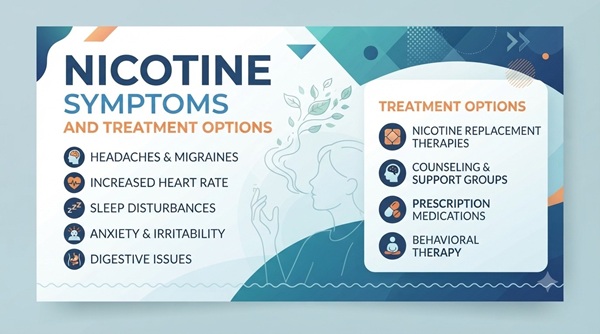
- Nicotine – To increase the concentration or mood.
- Stimulants – To manage challenges of attention.
- Habitual: It refers to behavioral addictions, such as addictions to gaming, time wastage in the internet, or addiction to routine.
They both are efforts to take care of the unmet needs; therefore, the importance of treating addictions associated with autism.
Addiction Risk Factors for Autistic Individuals
Autistic individuals are also predisposed to addiction by certain conditions, which are felt more when they are diagnosed at a late age.
Key risk factors include:
- Persistent anxiety/depression.
- Social isolation, rejection or bullying in society.
- It does not facilitate the bombardment of the senses in the same way all the time.
- Hiding or concealing autism.
- Poor mental health services of autism sensitivity.
It is when these sources of stress accumulate that the Autism and Addiction relationship becomes more solid since drugs may appear like the most accessible way of relaxation.
Addiction Treatment Programs for Autistic Individuals
Neurodiversity meant that Autism and Addiction are to be handled in a flexible yet accommodating way. The processing/abstract emotive characteristic of the conventional rehabilitation models is generally founded on the excessive processing or a language of abstractions in the groups and can be both overbearing and even non-plausible to the population of autists.
Special needs, Special needs Addiction treatments taking into account autism are:
- Effective organization, routine and innovation.
- Social considerateness /caring environments.
- Personal, non-committal group therapy.
- Hands-on tactical coping.
- Approaches based on strengths and approaches based on the trauma.
The needs and patterns of autistic communication can be respected it is possible only with the assistance of the program with a high level of engagement, high level of retention, and high level of results in terms of long-term recovery outcomes.
100% Confidential Support is Available 24/7
No matter what you’re going through, you’re not alone. Our dedicated team is here to provide a safe, judgment-free space where you can talk openly and honestly. Whether you need emotional support, resources, or just someone to listen.
We’re here for you—completely confidential and always respectful of your privacy. Call us today!
Get Addiction Support for Someone Who is Autistic
Condemnation should not be the beginning of caring about an autistic loved one who is addicted. Listening, validation and seeking relevant professional help can be a significant change in attitude.
Helpful steps include:
- Developing the application of assessment among autism-wise clinicians.
- This should not be confrontation or Pity.
- Help with normal, routine activities.
- Creating contact with special treatment plans.
Autistic recovery is best realised when stress is taken together with addiction as a combination rather than separately.

Get Treatment Help
You do not necessarily need to go through it by yourself in case you or a person you love has a hard time with the Autism and Addiction. Solutions Healthcare is an evidence-based, compassionate care service provider that provides services to neurodiverse patients based on their personal needs.
Call now and know how you can recapture your relationship with addiction therapy without stepping on autism, presenting a lack of decency or pursuing permanent recovery. The other kind of support that can help alter the path of a life at a tender age is spurred-on support.
Autism, Addiction, knowing, acceptance, and special treatment combined offer a massive potential for recovery that will happen in the long run. Through the proper support, autistic people might be taught to use healthier coping skills and become self-sufficient to live a normal life.
Start your recovery journey today with Solutions Healthcare compassionate addiction treatment tailored for lasting healing.
Disclaimer
This content is intended for informational and educational purposes only and is not a substitute for professional medical, psychological, or mental health advice. Always seek guidance from qualified healthcare professionals for diagnosis and treatment.
FAQs about Autism and Addiction
Is addiction linked to autism?
Yes. Addiction can be linked to autism when substances are used to manage anxiety, sensory overload, or social challenges. This self-medication pattern increases addiction risk, especially when autism remains undiagnosed or unsupported into adulthood.
What are the symptoms of high-functioning autism in adults?
Symptoms may include social communication difficulties, sensory sensitivity, rigid routines, emotional regulation challenges, and exhaustion from masking behaviors. Many adults appear outwardly successful while experiencing significant internal stress.
What is 90% of autism caused by?
Approximately 90% of autism risk is linked to genetic factors. Multiple genes influence brain development, with environmental factors playing a smaller supporting role rather than being a direct cause.
What is the 10-second rule for autism?
The 10-second rule encourages pausing before responding to allow autistic individuals extra processing time. This reduces pressure, improves communication, and supports more comfortable social interactions.
What are the seven midlife signs of autism?
Midlife signs may include chronic burnout, social exhaustion, rigid routines, sensory sensitivity, anxiety, difficulty with change, and feeling misunderstood. Many adults recognize these patterns only later in life.
What is high IQ autism called?
High-IQ autism is often referred to as “high-functioning autism,” though the term is informal. Clinically, individuals are diagnosed with Autism Spectrum Disorder without intellectual disability.
What does undiagnosed high-functioning autism look like?
It may appear as social anxiety, perfectionism, chronic fatigue, difficulty with relationships, sensory overwhelm, or reliance on routines. Many individuals internalize struggles, leading to stress, burnout, or substance use.
Source References
- National Institute on Drug Abuse (NIDA)
- Centers for Disease Control and Prevention (CDC)
- Substance Abuse and Mental Health Services Administration (SAMHSA)
- Autism Research Institute
- Peer-reviewed clinical research on autism and substance use disorders