Quick Answer: Drinking too much may cause various heart problems such as alcoholic cardiomyopathy, high blood pressure, heart irregularities, and increased risk of stroke. In the long run, excessive drinking can cause the heart muscle to become weaker, and the heart’s ability to move blood around the body to become less effective.
Which Heart Problem Do Heavy Drinkers usually suffer from? Drinking too much alcohol can have many negative effects on the heart, making this an important question. Excessive drinking can cause a weak heart muscle, high blood pressure, irregular heartbeat and stroke. By learning about these risks, you can help identify any warning signs and make decisions about your well-being.
Key Takeaways
- Alcoholic cardiomyopathy is an important heart disease associated with excessive alcohol consumption over a long period of time. It makes the heart muscles weaker and less efficient in pumping blood out of the heart.
- Too much alcohol can cause high blood pressure which may lead to heart disease and stroke.
- Alcohol is known to cause certain abnormal heart rhythms, including a-fib.
- Excessive drinking over a period of time can lead to heart failure.
- Depending on the severity of the damage and whether alcohol consumption has been discontinued, some heart damage due to alcohol may benefit from proper medical care.
- Severe, rapid shortness of breath or a rapid heartbeat with dizziness and chest pain may require emergency treatment.
- Advice and assistance from a medical professional in addressing alcohol issues can be significantly beneficial in safeguarding long-term heart health.
Alcohol-induced cardiomyopathy is the most straightforward answer and refers to the damage to and weakness or dilatation of the heart muscle caused by prolonged drinking. The heart can get enlarged and have trouble pumping sufficient blood to provide for the body’s demands. Too much alcohol may also cause high blood pressure, irregular heart beating or rhythm, coronary artery disease, and heart failure. Risk is dependent on the consumption, health, etc.
Understanding that the outcome for “Excessive alcohol consumption can cause which heart-related issue: heart disease?” is not a sole answer. Alcohol has a variety of effects on the heart, such as on blood pressure, heart rhythm, and heart (muscle) function. Some of the effects take place after drinking too much in a single incident; others are cumulative over the years.
What is Alcoholic Cardiomyopathy?
Alcoholic cardiomyopathy is a cardiomyopathy that is related to long-term, excessive drinking of alcohol. The heart chambers can enlarge, and the heart muscle weakens due to the damage from the alcohol. The heart may not pump blood as efficiently as it should, as it declines. This can cause the person to become tired and short of breath and develop swelling in the legs and, in later stages, heart failure.
Not all drinkers will suffer from cardiomyopathy. If alcohol is consumed in large quantities for extended periods of time and the person is susceptible or has other health problems, the likelihood increases. It’s vital to get this treatment early on, because some individuals improve the functioning of their hearts when they quit drinking alcohol and follow suggestions from your specialist physician. But, if you have severe damage, it may not be completely reversed. Learn more from the
Take care of your heart: Call Solutions Healthcare at (386) 866-3600 if your alcohol abuse is impacting your health and you are looking for support and treatment.
100% Confidential Support is Available 24/7
No matter what you’re going through, you’re not alone. Our dedicated team is here to provide a safe, judgment-free space where you can talk openly and honestly. Whether you need emotional support, resources, or just someone to listen.
We’re here for you—completely confidential and always respectful of your privacy. Call us today!
How Does Alcohol Increase the Risk of Heart Disease?
Alcohol may cause various issues with the heart, such as high blood pressure, irregular pulse and heartbeat, and the deterioration of the heart muscle cells. Excessive alcohol consumption also increases inflammation and other alterations that increase cardiovascular risk. These effects may build up over time to raise the risk of heart failure, stroke and other complications.
According to the American Heart Association’s 2025 scientific statement, consumption of excessive alcohol and binge drinking is consistently linked to high blood pressure, coronary artery disease, heart arrhythmia, cardiomyopathy, stroke and heart failure. These are individual, and studies of light or moderate alcohol consumption have been inconclusive. Don’t rely on alcohol to promote heart health.
Contact Solutions Healthcare
Battling with Drug and Alcohol Addition? Remember, you are not alone and we are here to help you!
Can Excessive Alcohol Consumption Cause an Irregular Heartbeat?
Yes. Drinking too much alcohol can cause an irregular heartbeat, including the condition called atrial fibrillation (AFib). AFib is what happens when the top chambers of the heart don’t beat in harmony at the same time. The individual might feel their chest fluttering, have a quick heartbeat, have a headache, or not be able to breathe. Those who have it may not show any signs at all, and without medical tests, any irregular rhythm can stay unnoticed.
Excessive drinking and binge drinking can raise the chances of alcohol-related rhythm disorders, which occasionally are referred to as “holiday heart syndrome” because of the fact that it occurs after an event of heavy drinking. A fibrillation is important because it allows blood clots to form in the heart which raises the chances of having a stroke.
Get immediate medical help for an irregular pulse and emergency medical help for chest pain, fainting or difficulty breathing.
How Does Alcohol Contribute to High Blood Pressure and Heart Failure?
Alcohol increases blood pressure, particularly when consumed excessively or frequently. Over time, high blood pressure puts added pressure on the blood vessels and can lengthen the work of the heart. When the heart muscle weakens or stiffens, it may not necessarily pump or fill with blood properly. This can help to cause heart failure, where the heart is not able to deliver enough blood to the body’s needs.
Symptoms of heart failure can include difficulty breathing at rest or while exercising, excessive fatigue, edema (fluid retention) in the ankles or feet, and sudden weight gain.
The symptoms may be due to other factors; therefore, a medical evaluation is advised. In addition, low alcohol intake or abstinence might lead to better control of blood pressure, but anyone with alcohol abuse or dependency should consult a health care provider before abruptly stopping the intake of alcohol.
Worrying about alcohol? Contact Call Solutions Healthcare at (386) 866-3600 and request information about what steps and assistance it may offer regarding your health.
What Are the Warning Signs of Alcohol-Related Heart Problems?
Alcohol-related heart diseases do not necessarily have apparent symptoms initially. The most common symptoms as a problem is building up, persistent tiredness, a racing or irregular heartbeat, decreased exercise tolerance, leg swelling, or difficulty in breathing. It must be noted that such symptoms should not be ascribed to drinking, aging or stress per se. A doctor will be able to examine the heart and determine potential causes.
If you experience chest pressure/pain, severe shortness of breath, fainting, or changes in your heart rate or heartbeat, talk with your doctor right away. These may be symptoms of a severe heart ailment. Based on symptoms and history, the healthcare professional may suggest an electrocardiogram, blood tests, an echocardiogram, and other investigations.
100% Confidential Support is Available 24/7
No matter what you’re going through, you’re not alone. Our dedicated team is here to provide a safe, judgment-free space where you can talk openly and honestly. Whether you need emotional support, resources, or just someone to listen.
We’re here for you—completely confidential and always respectful of your privacy. Call us today!
Can Alcohol-Related Heart Damage Be Reversed?
If an individual ceases alcohol consumption and is given proper care, some damage to the heart may improve. If alcohol consumption ceases before the damage is irreversible, then heart function can improve somewhat or, in some instances, significantly, in alcoholic cardiomyopathy. It varies based on the severity of the condition, how long the person has been drinking, and how healthy they are.
But improvement is not always guaranteed, and progressive heart muscle damage may persist beyond the time that alcohol has stopped being used. A cardiologist will be able to watch the heart and order medications when necessary. Sudden withdrawal can be dangerous, so people who rely on alcohol physically should not do a detox process by themselves. Health care providers can work with a person to develop a coping plan to stop drinking safely.
How Can You Protect Your Heart From Excessive Alcohol Use?
The best way to minimize the risk of alcohol on the heart is to drink within moderation and consult a health care provider about your personal risks. “Don’t bother” is the first word out of the American Heart Association’s mouth when it comes to making alcohol the fountain of health for your ticker. For drinkers, it calls for recommending moderation, and that even moderate amounts of drinking may be risky for some drinkers.
You can take the following measures to improve your blood pressure: Get regular check-ups, maintain an active lifestyle, eat a balanced diet, keep track of your blood pressure, and follow treatment plans for diabetes or high cholesterol.
Additionally, if drinking is hard to handle, assistance with addiction therapy and counseling may be able to mend the underlying pattern. If you are drinking a large amount of alcohol daily, get medical supervision before you quit, as quitting can be dangerous.
Next Step With Solutions Healthcare.
Drinking too much can have more of an impact on your liver or mental state. It can also put a lot of strain on your heart. It is very important to identify these health risk factors early and get them checked out so you can make appropriate health choices.
When the use of alcohol becomes hard to manage, you are advised to call the team at Solutions Healthcare (386) 866-3600 for information on treatment and recovery support. Accepting assistance is a positive action towards safeguarding health and creating a healthier future.
100% Confidential Support is Available 24/7
No matter what you’re going through, you’re not alone. Our dedicated team is here to provide a safe, judgment-free space where you can talk openly and honestly. Whether you need emotional support, resources, or just someone to listen.
We’re here for you—completely confidential and always respectful of your privacy. Call us today!
Frequently Asked Questions
1. Why does alcohol increase heart rate?
Alcohol can affect the nervous system, increase stress responses, and contribute to dehydration. These changes may make the heart beat faster. A persistent racing heartbeat, particularly with chest pain, dizziness, or breathlessness, needs medical assessment.
2. Which alcohol damage can be reversed in midlife?
Some alcohol-related changes, including elevated blood pressure and early heart muscle dysfunction, may improve after reducing or stopping alcohol. Recovery depends on the extent of damage. Advanced cardiomyopathy or established cirrhosis may not fully reverse.
3. What is the relationship between alcohol use and coronary artery disease (CAD)?
Heavy alcohol use is associated with cardiovascular risks, including coronary artery disease. It can also raise blood pressure and contribute to other risk factors. CAD develops when the arteries supplying the heart become narrowed or blocked.
4. Can a heart patient drink alcohol?
It depends on the person’s heart condition, medications, and overall health. Alcohol may worsen high blood pressure, heart failure, or atrial fibrillation. Ask your cardiologist whether avoiding alcohol is the safest choice for your condition.
5. What happens when you drink alcohol every day?
Daily alcohol consumption can increase the risk of high blood pressure, heart rhythm problems, liver disease, sleep disruption, and alcohol dependence. Risks depend on the amount consumed and individual health. Regular drinking does not guarantee heart disease.
6. What are four signs of alcoholic cardiomyopathy?
Four common signs are shortness of breath, unusual fatigue, swelling in the legs or ankles, and a rapid or irregular heartbeat. Symptoms may develop gradually. A healthcare professional can assess heart function and recommend appropriate treatment.
7. What is the #1 worst drink for your heart?
No single alcoholic beverage is universally the worst for the heart. The amount of alcohol consumed and the drinking pattern matter more than whether it is beer, wine, or spirits. Heavy and binge drinking carry significant cardiovascular risks.
8. How does alcohol affect the heart?
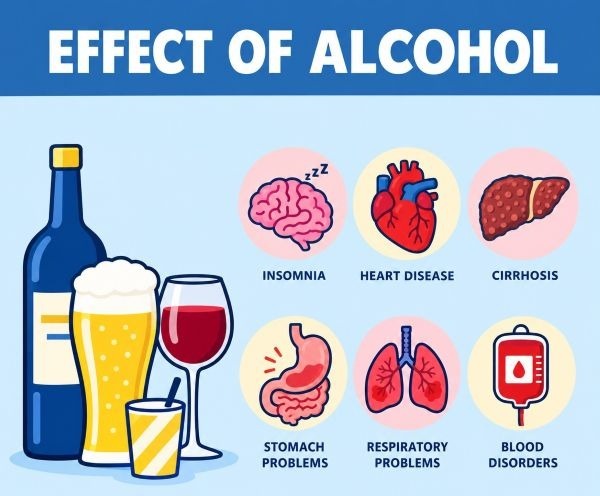
Alcohol can raise blood pressure, trigger irregular heart rhythms, and weaken the heart muscle with prolonged heavy use. These changes may increase the risk of cardiomyopathy, heart failure, coronary artery disease, and stroke.
9. What are the symptoms of drinking too much alcohol?
Symptoms may include poor coordination, slurred speech, nausea, vomiting, and impaired judgment. Repeated heavy drinking can also cause fatigue, sleep problems, and health complications. Difficulty breathing, seizures, or unconsciousness may indicate alcohol poisoning and require emergency care.
References:
This article draws on established medical guidance and research about alcohol and cardiovascular health.
- Cleveland Clinic: Alcoholic Cardiomyopathy. Explains how prolonged heavy alcohol use can weaken the heart muscle.
- American Heart Association: Alcohol Use and Cardiovascular Disease. Summarizes evidence linking heavy drinking with cardiovascular conditions.
- Centers for Disease Control and Prevention (CDC): Alcohol Use and Your Health. Provides information about excessive alcohol use and chronic health risks.
- American Heart Association: Alcohol and Heart Health. Explains current recommendations about alcohol consumption and heart health.
- American Addiction Centers: Alcohol and Cardiovascular Risks. Provides additional educational information about alcohol-related cardiovascular complications.
Medical Disclaimer
This blog is intended for general educational purposes only. It does not replace professional medical advice, diagnosis, or treatment. Heart symptoms can have several causes, and only a qualified healthcare professional can assess an individual’s condition. If you experience chest pain, severe shortness of breath, fainting, or other signs of a medical emergency, call 911 in the United States or your local emergency number.
If you drink heavily or may be dependent on alcohol, consult a healthcare professional before stopping suddenly. Alcohol withdrawal can cause serious complications and may require medically supervised treatment.