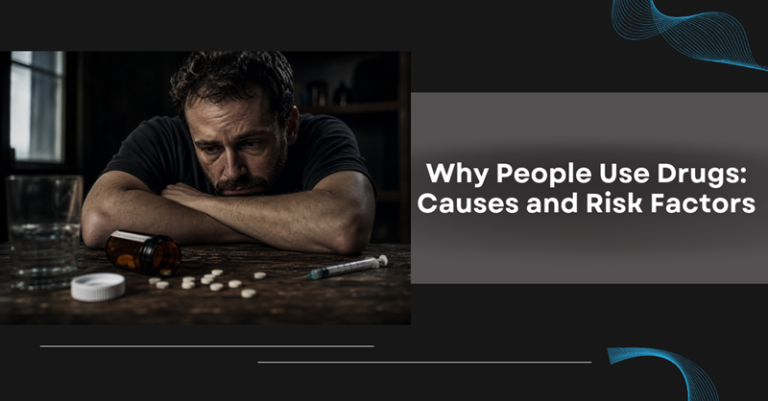

Polysubstance use is a term used to describe taking multiple drugs at the same time to experience a different type of high. This could be mixing alcohol and weed, LSD and MDMA, or any other drug combination you can think of. Unfortunately, polysubstance use is considered extremely dangerous, as taking two substances at the same time increases your risk of overdosing.
According to the Centers for Disease Control and Prevention (CDC), “In 2022, nearly half of drug overdose deaths involved multiple drugs.”[1]
The most notorious form of polysubstance abuse is called speedballing. When someone speedballs, they mix a stimulant drug with a depressant. It is most common to combine cocaine and heroin.
There are endless dangers associated with this form of polysubstance use, including cardiovascular problems, respiratory issues, mental health emergencies, and life-threatening overdoses. While the effects of speedballing might be attractive to you, the risks simply aren’t worth it. If you have a hard time quitting the abuse of stimulants and depressants, you might need professional addiction treatment.
In this article, you will learn:
- What is a speedball?
- What are the effects of combining depressants and stimulants?
- What are the dangers of mixing stimulants and depressants?
- What are the signs that you need substance abuse treatment?
What is Speedballing?
Speedballing is the act of mixing a stimulant with a depressant to experience the effects of both drugs simultaneously.
Stimulants cause increased heart rate, high levels of energy, euphoria, and a lessened need for sleep. On the other hand, depressants lead to effects like dizziness, drowsiness, slowed heart rate, calmness, and euphoria or feelings of pleasure.
The substances that are usually associated with speedballing are cocaine and heroin. Some people combine them to experience a new type of high, while others do so for different reasons. For example, someone might snort cocaine after they’ve already taken heroin because they believe it will counteract the drowsiness and fatigue.
Unfortunately, mixing drugs like cocaine and heroin will not cancel out the effects of each other. Instead, you’ll intensify your high and put yourself at risk of experiencing an overdose.
Other drug combinations that could be considered speedballing include:
- Meth and fentanyl
- Adderall and prescription opioids like hydrocodone or morphine
- Cocaine and benzodiazepines
- Crack and prescription sedatives
- And more
Traditionally, a speedball involves using a stimulant drug and an opioid. However, it can also refer to any combination of a stimulant and a depressant drug.
Effects of Mixing a Stimulant and a Depressant
Speedball abuse or mixing a stimulant and a depressant drug can be dangerous. Let’s say you mix cocaine and heroin. You might experience the stimulating effects of cocaine alongside the euphoria and calmness that heroin causes.
The possible effects of combining stimulants and depressants include:
- Confusion or disorientation
- Relaxation and euphoria
- Blurry or double vision
- Sedative effects like dizziness or drowsiness
- Anxiety and paranoia
- Slowed or fast breathing
- Coordination issues
- Increased heart rate, irregular heart rate, or arrhythmias
- Drastic changes in blood pressure
Regular and repeated speedballing will cause you to develop an addiction to both drugs. This is known as having a polysubstance use disorder. While it can be challenging to overcome polysubstance abuse, addiction treatment programs like Solutions Healthcare are here to help you achieve long-term recovery.
100% Confidential Support is Available 24/7
No matter what you’re going through, you’re not alone. Our dedicated team is here to provide a safe, judgment-free space where you can talk openly and honestly. Whether you need emotional support, resources, or just someone to listen.
We’re here for you—completely confidential and always respectful of your privacy. Call us today!
What are the Risks of Speedballing?
Mixing stimulants and depressants causes your brain and body to become confused. You are taking one drug that causes your system to speed up and another that slows it down. As a result, you could experience adverse effects related to your blood pressure, heart rate, breathing rate, and body temperature.
Some of the risks of speedballing include:
- Seizures
- Strokes
- Heart attacks
- Respiratory depression
- Life-threatening overdoses
- Coma
A study found that speedballing abuse has increased substantially over the years. Overdose deaths related to mixing stimulants and depressants rose from 187 in 1999 to 14,777 in 2020.[2]
It’s also possible to experience adverse mental health effects from speedballing. For example, you might deal with intense anxiety, panic, paranoia, mental confusion, depression, suicidal thoughts, and even symptoms of substance-induced psychosis.
Contact Solutions Healthcare
Battling with Drug and Alcohol Addition? Remember, you are not alone and we are here to help you!
Signs You Need Help for Polysubstance Abuse
Even though speedballing can provide an intense high, it simply isn’t worth the risk. Even if you don’t experience life-threatening effects, you will eventually develop an addiction.
The signs that you need help for speedball addiction or polysubstance use disorder include:
- Having a hard time quitting or cutting back on stimulant and depressant use
- Spending a lot of time obtaining and using stimulants and depressants
- Losing interest in previously enjoyed activities
- Experiencing urges and cravings to consume a speedball
- Failing to complete responsibilities at home, school, and work
- Being unable to control how much or how often you use stimulants and depressants
- Continuing to speedball even though it is causing social issues and adverse physical or mental health problems
- Using stimulants and depressants in risky situations, such as while driving
- Having to increase the dose of your speedball to experience the desired effect
- Experiencing withdrawal symptoms when you don’t use stimulants and depressants
While polysubstance use disorder can be difficult to overcome, professional rehab will offer the tools and support you need. At Solutions Healthcare, we provide evidence-based heroin and cocaine addiction treatment, including behavioral therapies like cognitive behavioral therapy (CBT).
Get Connected to a Top-Rated Drug and Alcohol Rehab Center
If you or a loved one suffers from speedball addiction, it’s time to seek professional help. Solutions Healthcare is an evidence-based and personalized treatment program that can help you achieve long-term sobriety.
Contact us today for more information on how we treat polysubstance use disorder.
Medical Disclaimer: This information is for educational purposes only and does not constitute medical advice.
FAQs
1. What is a speedball drug?
A speedball is a combination of a stimulant, usually cocaine, and an opioid, traditionally heroin. The substances affect the brain and body differently, but combining them does not cancel out their effects. Speedball use can cause life-threatening complications, including overdose.
2. What does a speedball do to your body?
A speedball can increase heart rate and blood pressure while also slowing breathing because of the opioid component. This conflicting effect can strain the cardiovascular and respiratory systems, increasing the risk of heart attack, stroke, breathing problems, unconsciousness, and death.
3. Why do people mix cocaine and heroin?
Some people combine cocaine and heroin because they seek the stimulating effects of cocaine alongside the sedating or euphoric effects of an opioid. However, the combination is unpredictable and dangerous. The stimulant effects may mask some signs of opioid intoxication without preventing an overdose.
4. Can a speedball cause an overdose?
Yes. A speedball can cause a fatal overdose because cocaine can place significant strain on the heart while heroin or another opioid can suppress breathing. Illicit substances may also contain fentanyl or other unexpected drugs, making the effects even more unpredictable.
5. What are the warning signs of a speedball overdose?
Warning signs may include slow or irregular breathing, inability to wake up, blue or gray lips, seizures, chest pain, extreme confusion, or a very fast or irregular heartbeat. Call 911 immediately if an overdose is suspected. Give naloxone if available when opioid overdose is possible, and follow the emergency dispatcher’s instructions.
6. How long do the effects of a speedball last?
The effects vary depending on the substances involved, their strength, the amount used, and how they entered the body. Cocaine’s effects may wear off before those of the opioid, leaving a person vulnerable to serious breathing problems even after the stimulating effects fade. There is no reliable time frame that makes use safe.
7. Is speedballing addictive?
Yes, speedballing can lead to substance use disorders involving cocaine, opioids, or both. Repeated use may lead to cravings, tolerance, and difficulty controlling drug use despite harmful consequences. Support from qualified substance use professionals can help people explore recovery options and address the risks associated with multiple substances.
8. Where can someone get help for speedball use in Florida?
People concerned about speedball use can contact a qualified substance use services provider in Florida to discuss available recovery support and appropriate levels of care. If someone may be experiencing an overdose, call 911 rather than waiting for an appointment. Early support can help individuals and families understand their options and next steps.
References
- The Centers for Disease Control and Prevention (CDC): Polysubstance Use Facts
- MDPI: Effect of Combined Methamphetamine and Oxycodone Use on the Synaptic Proteome in an In Vitro Model of Polysubstance Use