
Maybe it happened at a party, almost without thinking. Some liquor, then ketamine, or the other way around. When people are trying to comprehend just just how hazardous that blend really is, the answer is more serious than most realize.
When combined with alcohol, ketamine can produce dangerous, potentially life-threatening side effects such as memory loss, decreased breathing rate, coma, and death. Both substances stimulate the same neural systems in the brain, so their impacts don’t necessarily simply accumulate; they can enhance one another in ways that are not easy to foresee. Those who combine the two are usually unaware of how impaired they are until something really bad happens.
Call 911 right away if you or someone you know has mixed ketamine and alcohol and is having signs or symptoms of an overdose. If symptoms don’t get better, do not wait to find out.
Read on to learn what exactly ketamine is, what ketamine is used for, and why it is so dangerous to take it with alcohol.
Concerned about ketamine and alcohol use in your family? Call Solutions Healthcare
What is Ketamine?
Ketamine is a dissociative anesthetic used in medical procedures and for treating severe acute and chronic pain.
Ketamine was first synthesized in the 1960s and approved by the FDA in 1970. It continues to be used today as an anesthetic and procedural sedative for both children and adults, and even more commonly in veterinary medicine.
What is Ketamine Used For?
Beyond its role as an anesthetic, ketamine’s medical use has expanded significantly in recent years.
Ketamine is used for:
- Anesthesia during medical procedures
- Moderate to severe acute or chronic pain
- Treatment-resistant depression, in certain clinical settings
Illicitly, ketamine is often encountered as a powder or liquid, snorted, smoked, injected, or mixed into drinks, sometimes cut with other substances like methamphetamine or MDMA.
100% Confidential Support is Available 24/7
No matter what you’re going through, you’re not alone. Our dedicated team is here to provide a safe, judgment-free space where you can talk openly and honestly. Whether you need emotional support, resources, or just someone to listen.
We’re here for you—completely confidential and always respectful of your privacy. Call us today!
How Does Ketamine Work?
Ketamine works by binding to and blocking a brain receptor called NMDA, which normally responds to glutamate, a neurotransmitter involved in learning and memory.
Blocking glutamate’s activation of the NMDA receptor affects attention, learning, and memory, and this same mechanism is thought to play a role in ketamine’s anesthetic and pain-relieving properties.
Contact Solutions Healthcare
Battling with Drug and Alcohol Addition? Remember, you are not alone and we are here to help you!
Ketamine and Alcohol Use: Why It’s Risky
Ketamine and alcohol use together is risky because both substances affect the brain’s neurotransmitter systems in overlapping ways, amplifying each other’s effects rather than simply adding to them.
Alcohol affects both inhibitory (GABA) and excitatory (glutamate) neurotransmitters, amplifying inhibitory signaling while also reducing glutamate’s activity on NMDA receptors, the very same receptors that ketamine blocks.
Not sure how serious this combination really is? Solutions Healthcare can help you understand it.
Dangers of Mixing Ketamine and Alcohol
The dangers of mixing ketamine and alcohol go well beyond simple intoxication, creating real risk of lasting harm or death.
Documented dangers include:
- Increased risk of memory loss
- Slowed breathing
- Coma
- Death
- Increased urinary tract and bladder problems
Fact: Most ketamine-related deaths involve other substances, not ketamine alone, research shows.
Studies have found that ketamine can produce alcohol-like effects on its own, meaning combining the two substances can lead to over-intoxication that’s easy to underestimate at the moment.
Ketamine Risks Beyond Alcohol Interactions
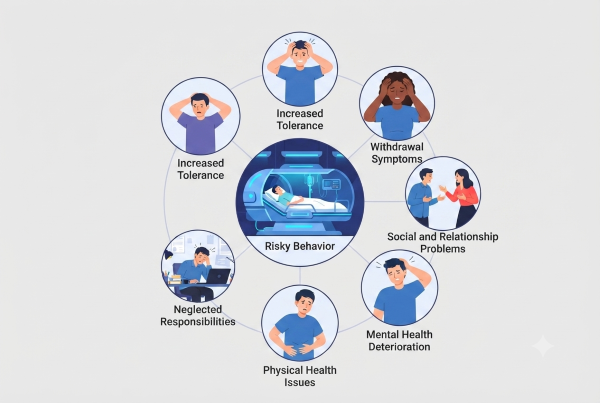
Ketamine carries real risks even without alcohol involved, particularly with regular or heavy use.
The Global Drug Survey found that people who drank alcohol while using ketamine were significantly more likely to report urinary tract problems, including increased frequency, painful urination, and blood in the urine, some of which can become irreversible with continued combined use.
Beyond the bladder and urinary effects, frequent ketamine use on its own has also been linked to memory and concentration problems, stomach pain sometimes called “k-cramps,” and a growing psychological reliance on the drug to cope with everyday stress. These effects tend to build gradually, which is part of why regular users often underestimate how much ketamine has started to affect their daily life.
Expert Advice: Never combine ketamine with alcohol; effects intensify unpredictably and dangerously together.
100% Confidential Support is Available 24/7
No matter what you’re going through, you’re not alone. Our dedicated team is here to provide a safe, judgment-free space where you can talk openly and honestly. Whether you need emotional support, resources, or just someone to listen.
We’re here for you—completely confidential and always respectful of your privacy. Call us today!
What is Ketamine Addiction?
Ketamine addiction develops when repeated use leads to psychological dependence, since ketamine doesn’t typically cause the same physical withdrawal seen with substances like opioids or alcohol.
Signs of ketamine addiction can include:
- Using ketamine to cope with stress, anxiety, or depression
- Escalating use to achieve the same effects
- Continuing use despite health, legal, or relationship consequences
- Difficulty cutting back despite wanting to
Signs of a Ketamine and Alcohol Overdose
Recognizing overdose signs quickly can save a life. Symptoms often develop rapidly when ketamine and alcohol are combined.
Signs of overdose include:
- Impaired motor function
- High blood pressure
- Respiratory problems
- Unconsciousness
- Mental confusion
- Vomiting
- Seizures
- Slowed heart rate
- Clammy skin
- Low body temperature
100% Confidential Support is Available 24/7
No matter what you’re going through, you’re not alone. Our dedicated team is here to provide a safe, judgment-free space where you can talk openly and honestly. Whether you need emotional support, resources, or just someone to listen.
We’re here for you—completely confidential and always respectful of your privacy. Call us today!
What to Do in an Overdose Emergency
If you suspect a ketamine and alcohol overdose, call 911 immediately and stay with the person while help is on the way.
While waiting for emergency responders:
- Monitor the person’s breathing and vital signs
- Perform CPR if you’re trained and it becomes necessary
- Try to determine how much of each substance was used and when
- Keep the person on their side to prevent choking if they vomit
- Stay with them until emergency responders arrive
In the emergency room, medical staff may provide breathing support, IV fluids, and close monitoring, since recovery depends heavily on how much of each substance was used and the person’s overall health.
Witnessed a frightening episode involving ketamine and alcohol? Solutions Healthcare is here to help.
Treatment for Polysubstance Use
Treatment for combined ketamine and alcohol use, known as polysubstance use, typically requires an individualized approach addressing both substances together.
Effective treatment often includes:
- Individual and group counseling
- Medication management, when appropriate
- Detoxification services to manage withdrawal safely
- Behavioral interventions to build coping skills
- Treatment for co-occurring mental health conditions
- Aftercare planning for long-term support
Get Help Today at Solutions Healthcare
Solutions Healthcare connects individuals and families across Central Florida with a trusted network of treatment centers, including Palm Coast Treatment Solutions, DeLand Treatment Solutions, Florida Atlantic Coast Treatment Solutions, and Orlando Treatment Solutions, each offering evidence-based care for polysubstance use and co-occurring mental health needs.
Our residential treatment programs provide structured, individualized support for individuals recovering from ketamine, alcohol, or combined substance use.
What makes our network different:
- Multiple licensed facilities across Central Florida
- Dual-diagnosis treatment for co-occurring mental health conditions
- Medically supervised detox when appropriate
- Family-inclusive treatment planning
- Individualized care instead of a one-size-fits-all program
If ketamine and alcohol use has become a concern for you or someone you love, you don’t have to face it alone. Call Solutions Healthcare at (386) 866-3600 or visit our contact page to get started.
FAQs
What are the dangers of mixing ketamine and alcohol?
Mixing ketamine and alcohol is extremely dangerous because both depress the central nervous system. Combined use can severely impair breathing, judgment, coordination, and consciousness, increasing the risk of memory loss, choking, accidental injury, coma, overdose, and potentially life-threatening respiratory depression or death.
What is ketamine?
Ketamine is a dissociative anesthetic medication used in medical settings for anesthesia, pain management, and certain cases of treatment-resistant depression. While effective under medical supervision, recreational misuse can produce hallucinations, impaired judgment, psychological dependence, and serious physical and mental health complications.
What is ketamine used for?
Ketamine is prescribed for anesthesia during surgical procedures, treatment of moderate to severe pain in specific situations, and treatment-resistant depression through carefully monitored medical programs. Its use is closely supervised because of its psychoactive effects and potential for misuse and dependence.
What is ketamine addiction?
Ketamine addiction is a substance use disorder characterized by psychological dependence, increasing tolerance, and continued ketamine use despite harmful consequences. Individuals may experience cravings, escalating use, difficulty stopping, and disruptions to work, relationships, physical health, and overall daily functioning.
How does ketamine and alcohol use increase risk?
Ketamine and alcohol both affect overlapping brain pathways that regulate consciousness, breathing, and coordination. When combined, their effects amplify rather than simply add together, greatly increasing sedation, confusion, impaired motor function, respiratory depression, overdose risk, and potentially fatal medical complications.
What are ketamine risks beyond mixing with alcohol?
Regular or heavy ketamine use can cause memory impairment, cognitive difficulties, bladder and urinary tract damage, abdominal pain, mood disturbances, and psychological dependence. Long-term misuse may significantly affect quality of life and often requires professional treatment to address both physical and mental health concerns.
What are signs of a ketamine and alcohol overdose?
Warning signs include extreme drowsiness, unconsciousness, slowed or irregular breathing, seizures, vomiting, poor coordination, clammy skin, slowed heart rate, and inability to respond. These symptoms represent a medical emergency and require immediate emergency medical attention by calling 911 without delay.
What should I do if someone overdoses on ketamine and alcohol?
Call 911 immediately if you suspect a ketamine and alcohol overdose. Monitor the person’s breathing, place them on their side if unconscious and breathing, perform CPR if trained and necessary, and remain with them until emergency medical professionals arrive and take over care.
Can ketamine and alcohol use together cause lasting damage?
Yes. Repeated combined use has been linked to long-term memory problems, cognitive impairment, bladder and urinary tract damage, liver complications, and an increased risk of fatal overdose. Early treatment can help reduce further harm and improve long-term recovery outcomes for many individuals.
Is ketamine addiction treated differently than alcohol addiction?
Yes. Although many treatment approaches overlap, polysubstance use requires an individualized plan addressing both ketamine and alcohol. Treatment may include medical stabilization, behavioral therapies, relapse prevention, and care for co-occurring mental health conditions to support long-term recovery and reduce relapse risk.
Where can I get help for ketamine and alcohol use in Florida?
Solutions Healthcare provides treatment for ketamine, alcohol, and other substance use disorders across its Central Florida network of facilities. Call (386) 866-3600 to learn about available treatment programs, admissions, insurance options, and personalized recovery support for lasting wellness.
References
- American Addiction Centers: Dangers of Mixing Ketamine and Alcohol
- U.S. Food and Drug Administration: Ketamine Information
- National Institute on Drug Abuse: Ketamine
- National Institute on Alcohol Abuse and Alcoholism: Alcohol’s Effects on the Brain
- Cleveland Clinic: Ketamine Therapy
- Mayo Clinic: Drug Addiction
Medical Disclaimer: This blog is for informational purposes only and is not a substitute for professional medical or mental health advice; please consult a qualified provider or contact Solutions Healthcare for personalized guidance. If you suspect an overdose, call 911 immediately.