
This is a medicine prescribed by your doctor. It was meant to help. Pain medication for post-surgical pain. Panic attack medications for anxiety. Medications to help sleep. Antidepressant for depression. These were valid prescriptions for proper medical reasons and from a doctor.
However, at some point, you got hooked on it. Not for recreational abuse. By using it on a regular, prescribed basis. You have developed a tolerance for the drug. Your brain chemistry changed. Now, when you attempt to quit, you feel bad. Your body is telling you loud and clear. You’re experiencing withdrawal from prescription medications.
What many people don’t know is that prescription drug withdrawal can occur. It’s serious. It’s physiologically real. It can occur in people who are following their medication orders. And it’s one of the reasons why people can’t stop taking medications, even if they really want to. Knowing about prescription drug withdrawal can empower you to identify what is going on and realize that there are options for treatment.
What is Prescription Drug Withdrawal?
Prescription drug withdrawal occurs when someone who has been taking medication regularly stops or significantly reduces their dose, and their body experiences physical and psychological symptoms as it adjusts to the absence of the medication.
Withdrawal isn’t about addiction in the moral sense. It’s not about being weak or dependent by choice. It’s about your body adapting to the presence of a medication. Your brain chemistry changes. Your nervous system adjusts. Your body learns to function with the medication present.
When you stop, your body hasn’t readjusted yet. Your brain chemistry is out of balance. Your nervous system is confused. Your body is struggling to function without something it has become dependent on. That struggle is withdrawal.
This happens with many prescription medications. Opioid painkillers. Benzodiazepines like Xanax or Valium. Antidepressants. Sleep medications. Stimulants like Adderall. Even some blood pressure medications can cause withdrawal.
Experts Advice: Never stop benzodiazepines or gabapentinoids abruptly; taper gradually under medical guidance.
Common Prescription Drugs That Cause Withdrawal
Several categories of prescription medications commonly cause withdrawal.
Opioid painkillers including oxycodone, hydrocodone, morphine, fentanyl, and codeine, cause significant withdrawal. These are highly addictive even when prescribed appropriately. Withdrawal begins within hours to days of stopping. Symptoms are intensely uncomfortable but rarely life-threatening.
Benzodiazepines, including Xanax, Valium, Ativan, and Klonopin, cause potentially dangerous withdrawal. These are prescribed for anxiety and sleep. Benzodiazepine withdrawal can cause seizures and be life-threatening. This withdrawal requires medical management.
Antidepressants, including SSRIs like Zoloft and Lexapro, SNRIs, and tricyclic antidepressants, cause withdrawal in about 20 percent of people who stop abruptly. Antidepressant withdrawal is sometimes called discontinuation syndrome. Symptoms include dizziness, tingling, brain zaps, and mood disturbances.
Sleep Medications including Ambien, Lunesta, and other sedative-hypnotics, cause withdrawal. Long-term use creates dependence. Stopping can cause severe insomnia, anxiety, and rebound sleep problems.
Stimulants including Adderall, Ritalin, and other ADHD medications can cause withdrawal with depression, fatigue, and cognitive impairment.
Gabapentinoids, including gabapentin and pregabalin, cause withdrawal with anxiety, tremors, and muscle spasms when stopped abruptly.
Recognizing Prescription Drug Withdrawal Symptoms
Symptoms vary depending on the medication, but several common patterns emerge.
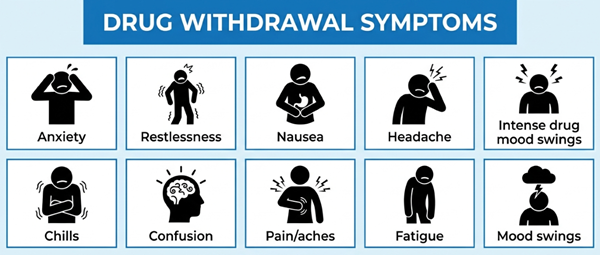
Physical symptoms include tremors and shaking. Muscle aches and body pain. Sweating and chills. Nausea and vomiting. Diarrhea or constipation. Headaches. Increased heart rate. Difficulty breathing. Flu-like symptoms.
Psychological Symptoms include anxiety and panic attacks. Depression and suicidal thoughts. Irritability and mood swings. Insomnia and sleep disturbances. Difficulty concentrating. Brain zaps or electrical sensations. Intense cravings for the medication.
Medication-Specific Symptoms:
- Opioid withdrawal causes severe muscle aches, sweating, anxiety, insomnia, nausea, and intense cravings. Early symptoms appear within 8 to 24 hours of the last dose.
- Benzodiazepine withdrawal causes anxiety, tremors, seizures, and potentially dangerous autonomic instability. Early symptoms appear within 24 to 48 hours.
- Antidepressant withdrawal causes dizziness, tingling, brain zaps, mood swings, and irritability. Early symptoms appear within days of stopping.
- Sleep medication withdrawal causes severe insomnia, anxiety, and rebound sleep problems. Early symptoms appear within days of stopping.
- Stimulant withdrawal causes depression, fatigue, anhedonia, and cognitive impairment. Early symptoms appear within days of stopping.
FACT: About twenty percent of people stopping antidepressants abruptly experience discontinuation symptoms.
Timeline of Prescription Drug Withdrawal
Understanding the timeline helps you know what to expect.
Early Onset: Symptoms typically appear within hours to several days of stopping. Opioid withdrawal starts fastest, within 6 to 12 hours. Benzodiazepine withdrawal takes 24 to 72 hours. Antidepressant withdrawal appears within days. Stimulant withdrawal appears within a few days.
Peak Symptoms: Acute withdrawal symptoms peak around day 2 to 5 depending on the drug. This is when symptoms feel worse.
Acute Phase: Most acute withdrawal lasts 5 to 14 days. Physical symptoms improve significantly. Psychological symptoms may linger.
Post-Acute Withdrawal: Some people experience lingering symptoms weeks or months after stopping. This is called post-acute withdrawal syndrome or PAWS. Mood changes, cravings, and difficulty concentrating can persist.
Why Stopping Cold Turkey is Dangerous
Stopping prescription medications abruptly without medical guidance is risky.
For benzodiazepines, stopping abruptly can cause seizures and life-threatening complications. Gradual tapering under medical supervision is essential.
For opioids, while withdrawal is intensely uncomfortable, the main danger is returning to use. During withdrawal, tolerance decreases. Someone who relapses after withdrawal can overdose on a dose that would have been normal before stopping.
For antidepressants, abrupt stopping can cause severe mood disturbances and suicidal ideation. Gradual tapering with professional monitoring is safer.
For all medications, medical supervision during withdrawal prevents complications and increases success.
Dependent on a medication your doctor prescribed? Solutions Healthcare offers safe, medically guided tapering plans.
Comparison: Prescription Drug Withdrawal Across Different Medications
Here’s how withdrawal from different prescription drugs compares:
Medication | Onset | Peak | Duration | Life-Threatening | Seizure Risk | Uncomfortable | Requires Medical Care |
Opioids | 6-12 hours | Day 2-3 | 5-10 days | No | No | Yes | Recommended |
Benzodiazepines | 24-72 hours | Day 2-4 | 10-14 days | Yes | Yes | Yes | Required |
Antidepressants | 1-3 days | Day 2-3 | 1-2 weeks | No | No | Varies | Recommended |
Sleep Meds | 1-3 days | Day 1-3 | 3-7 days | No | No | Yes | Recommended |
Stimulants | 1-3 days | Day 2-3 | 5-10 days | No | No | Psychologically severe | Recommended |
Gabapentinoids | 12 hours-7 days | Day 2-3 | 5-14 days | Possibly | Possibly | Yes | Required |
Medical supervision is essential for benzodiazepines and gabapentinoids. Recommended for all others.
Withdrawal doesn’t mean you did anything wrong. Call Solutions Healthcare for compassionate, judgment-free support.

Getting Help at Solutions Healthcare
If you’re experiencing prescription drug withdrawal or you’re concerned about dependence on medication, Solutions Healthcare provides compassionate support and professional care.
We understand that prescription drug dependence isn’t a character flaw. It’s your body adapting to medication. We understand the fear of withdrawal. We know that medical supervision makes the process manageable and safe.
We work with you to understand why you’re dependent on medication. We address whether you still need it. We create safe, gradual tapering plans if stopping is appropriate. We support you through withdrawal with care and medication.
If you’re ready to address prescription medication dependence, if you’re struggling with withdrawal, if you need professional help, reach out. Call us at (386) 866-3600 or visit our contact page. Our team is ready to help you safely.
FAQs
Q: If my doctor prescribed it, why am I dependent?
Physical dependence can develop even when medications are taken exactly as prescribed. Over time, the body adapts to certain medications and functions differently in their presence. This is a normal biological response and does not mean you are addicted or have done anything wrong.
Q: Is prescription drug withdrawal dangerous?
Some forms of prescription drug withdrawal can be dangerous. Withdrawal from benzodiazepines and certain gabapentinoids may cause serious complications, including seizures. Opioid and antidepressant withdrawal are usually not life-threatening but can be extremely uncomfortable. Medical supervision is recommended for any significant withdrawal symptoms.
Q: Can I stop cold turkey?
Stopping some medications abruptly can be risky. Benzodiazepines and gabapentinoids generally require gradual tapering because sudden discontinuation may cause serious complications. Even when stopping other medications is medically possible, professional guidance helps reduce discomfort, monitor symptoms, and improve the likelihood of success.
Q: How long does withdrawal last?
Withdrawal timelines vary depending on the medication, dosage, and length of use. Acute symptoms often last between five and fourteen days, while lingering symptoms may continue for weeks or months. Recovery is highly individual, and medical support can help manage symptoms throughout the process.
Q: Will medication help withdrawal?
Yes. Healthcare providers may prescribe medications to reduce discomfort, manage specific symptoms, and improve safety during withdrawal. The medications used depend on the substance involved and the person’s medical history. Professional supervision allows treatment plans to be adjusted as symptoms change during recovery.
Q: What if I need the medication for a legitimate condition?
If you still need the medication for an underlying condition, speak with your healthcare provider before making changes. Alternatives may include dose adjustments, different medications, therapy, or other treatments. The goal is to manage your health needs while minimizing risks related to dependence.
Q: Is antidepressant withdrawal dangerous?
Antidepressant withdrawal is usually not life-threatening, but it can be physically and emotionally distressing. Symptoms may include dizziness, fatigue, mood changes, and sleep problems. In some cases, worsening depression or suicidal thoughts can occur, making medical guidance important during discontinuation.
Q: Can I taper myself off prescription medications?
Some people attempt to taper medications on their own, but medical supervision is generally safer. Healthcare providers can adjust the tapering schedule, monitor symptoms, and respond quickly if complications arise. Professional support often makes the process more comfortable and improves overall outcomes.
Q: Will I be addicted forever if I stop?
No. Dependence and withdrawal are usually temporary experiences. As your body gradually readjusts, symptoms often improve and cravings become less intense. Most people recover successfully, although some experience lingering symptoms that require additional support and time before they feel completely stabilized.
Q: What should I do if I’m experiencing withdrawal right now?
If you are currently experiencing withdrawal symptoms, contact a healthcare professional as soon as possible. Severe symptoms may require emergency medical attention. Avoid managing serious withdrawal alone, especially if symptoms are worsening, because prompt treatment can significantly improve safety and comfort.
References
- Crestview Recovery. “Prescription Drug Withdrawal: Timeline, Duration, and Treatment.” August 2025. https://www.crestviewrecovery.com/resources/prescription-drug-withdrawal-timeline/
- Frontiers in Pharmacology. “Evaluating Drug Withdrawal Syndrome Risks Through FDA Adverse Event Reporting System.” June 2024. https://www.frontiersin.org/journals/pharmacology/articles/10.3389/fphar.2024.1385651/full
- New England Journal of Medicine. “Treatment of Opioid-Use Disorders.” https://www.nejm.org/doi/full/10.1056/NEJMra1604339
- Recovered.org. “Medication-Assisted Treatment for Substance Use Disorders.” https://recovered.org/treatment/addiction-treatment-medication
- PMC National Center for Biotechnology Information. “Dependence, Withdrawal and Rebound of CNS Drugs.” https://pmc.ncbi.nlm.nih.gov/articles/PMC7425303/
- USPTO. “Treatment of Opioid Use Disorder, Opioid Withdrawal Symptoms, and Chronic Pain.” https://image-ppubs.uspto.gov/dirsearch-public/print/downloadPdf/12364668
- Cureus. “Mirtazapine: A One-Stop Strategy for Treatment of Opioid Withdrawal Symptoms.” August 2023. https://www.ncbi.nlm.nih.gov/pmc/articles/PMC10509332/
- Medscape. “Withdrawal Syndromes: Practice Essentials, Pathophysiology, Epidemiology.” https://emedicine.medscape.com/article/819502-overview
- American Addiction Centers. “Withdrawal Timelines and Treatments.” https://americanaddictioncenters.org/withdrawal-timelines-treatments
This content is for informational purposes only and does not constitute medical advice or a clinical recommendation. For a personalized assessment, please consult a licensed mental health professional. To learn more about evidence-based mental health and addiction treatment in Florida, visit shc.health or call (386) 866-3600.