In This Blog
- Understanding the landscape of recovery services in Central Florida
- Identifying the different levels of care available for substance use
- Key features to look for in high-quality professional programs
- The benefits of seeking local support in the Orlando area
- Practical steps for choosing between various recovery options
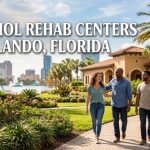
The initial step in the right direction towards wellness is usually getting the information by researching Drug Rehabilitation Centers which provide well-organized and research-based services. Orlando, Florida, is now one of the main providers of healthcare services, and it offers a wide variety of choices to people who want to tackle the problem of substance use in a non-judgmental atmosphere. Regardless of the extent of intensive residential services or more flexible outpatient services, the city has the means to address a range of individual needs.
The decision to pursue a professional course is a bold one that does not put a stopwatch that puts health at the end of temporary hardships. Through the knowledge of the particular services and philosophies of these local groups, individuals and their families can make wise choices that will provide the platform upon which their lives can be permanently stabilized and a new element of purpose begins anew.
Expert Advice: Choosing a local program allows for easier family involvement during the recovery process.
Drug Rehab Options in Orlando Florida
Orlando offers a unique environment for those seeking to reset their lives, with many Drug Rehabilitation Centers located in serene, campus-like settings. The city’s healthcare infrastructure is robust, ensuring that individuals have access to a wide variety of professional perspectives and support styles.
From the quiet suburbs to the heart of the city, these programs focus on creating a safe space for healing. The diversity of options ensures that, regardless of an individual’s background or specific needs, there is a program capable of providing the necessary structure and guidance.
FACT: Florida remains a primary destination for high-quality substance use recovery services.
Levels of Care at Orlando Rehab Centers
Professional support is not a one-size-fits-all solution, and understanding the different levels of care is essential for finding the right fit. Programs are generally categorized by the intensity of the oversight and the amount of time the individual spends on-site.
Commonly available levels of care include:
- Residential Support: Provides 24/7 oversight in a structured living environment.
- Partial Hospitalization: Offers intensive daytime programming while allowing for local living.
- Intensive Outpatient: Focuses on several hours of group and individual sessions per week.
- Standard Outpatient: Provides weekly check-ins and therapy as individuals maintain their daily routines.
Evidence-Based Treatment at Drug Rehab Centers
High-quality Drug Rehabilitation Centers prioritize methods that have been proven effective through scientific research. This ensures that the time and energy spent in a program lead to measurable improvements in health and behavior.
Evidence-informed approaches often include cognitive behavioral strategies, which help individuals identify and change the thought patterns that lead to substance use. By focusing on these core psychological drivers, programs help build a more resilient foundation for the future.
Holistic Programs at Orlando Rehab Centers
Many programs in Orlando incorporate wellness activities that address the body and mind. These activities are designed to help individuals rediscover joy and find new ways to manage stress without relying on external substances.
Optional wellness features may include:
- Regular physical activity and fitness coaching.
- Nutritional guidance to restore physical vitality and health.
- Mindfulness and relaxation techniques to improve emotional regulation.
- Art or music therapy to encourage creative expression and processing.
Program Feature | Residential Support | Outpatient Support |
Oversight | Constant 24/7 professional care | Scheduled weekly or daily sessions |
Environment | Fully immersive living space | Integration with home and work life |
Duration | Often 30 to 90 days | Variable based on progress |
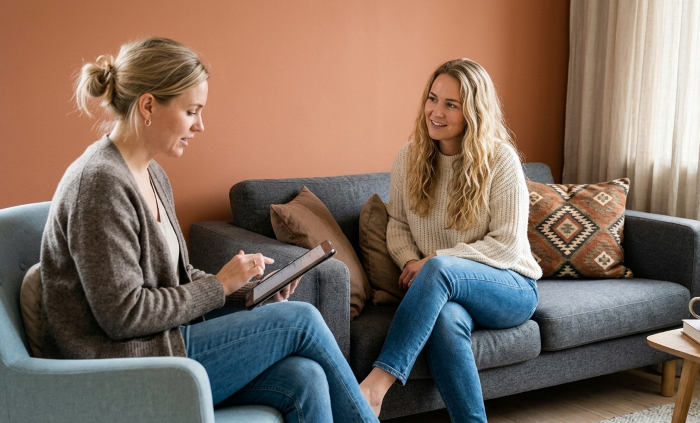
If you need help, Solutions Healthcare offers support for your recovery.
What to Look for in Rehab Staff
The quality of a program is deeply connected to the expertise of its team. Leading Drug Rehabilitation Centers employ a multidisciplinary group of professionals, including counselors, wellness coaches, and peer support specialists.
When researching options, it is helpful to look for programs that emphasize continuing education for their staff. A team that stays current on the latest developments in behavioral health is better equipped to provide the high level of care necessary for successful transitions.
Peer Support in Drug Rehabilitation
Connection is a powerful tool in the journey toward wellness. Many Orlando-based programs emphasize group sessions and peer support, allowing individuals to share their experiences and wisdom with others who understand their challenges.
Building a new social circle that prioritizes health is one of the most significant benefits of a professional program. These connections often last long after the formal portion of the support has ended, providing a lifelong network of accountability and friendship.
Personalized Treatment Plans in Orlando
No two journeys are identical, which is why the best Drug Rehabilitation Centers offer personalized wellness plans. During the initial assessment, professionals look at an individual’s unique history, health status, and personal goals to create a roadmap for their stay.
This personalized approach ensures that the individual’s specific triggers and strengths are addressed. Whether someone needs a focus on trauma-informed care or career reintegration, the plan is adjusted to provide the most relevant and effective support possible.
Family Support During Drug Rehabilitation
Substance use affects more than just the individual; it impacts the entire family system. Many programs in the Orlando area offer family sessions and educational workshops to help loved ones understand the complexities of dependency and recovery.
Involving family members helps heal old wounds and creates a more supportive home environment. When the entire family is moving in the same direction, the likelihood of long-term stability and health for the individual increases significantly.
Aftercare and Relapse Prevention After Rehab
The transition back into daily life is one of the most critical phases of recovery. Structured Drug Rehabilitation Centers provide comprehensive aftercare planning to ensure that individuals have a “safety net” in place as they navigate their regular routines.
Aftercare plans may include:
- Continued individual therapy sessions for ongoing emotional processing.
- Connections to local peer support groups in the Orlando community.
- Regular check-ins with a wellness coach to monitor progress and goals.
- Assistance with finding sober living environments or employment resources.
Support Component | Goal | Implementation |
Individual Counseling | Address root causes and triggers | One-on-one professional sessions |
Group Therapy | Build connection and social skills | Peer-led and professional-facilitated groups |
Wellness Coaching | Promote physical and mental health | Fitness, nutrition, and life-skills training |
How to Use Insurance for Drug Rehab
Understanding how to fund a program is a practical concern for many families. Many professional organizations in Florida work with a variety of insurance providers to make their services more accessible to a broader range of people.
It is always helpful to have a confidential conversation with an admissions representative to verify your benefits and understand the specific costs involved. They can often provide a detailed breakdown of what is covered and help you navigate the logistical aspects of starting a program.
Why Choose Orlando for Drug Rehabilitation?
The warm climate and natural beauty of Central Florida provide a peaceful backdrop for self-reflection and healing. Many Drug Rehabilitation Centers take advantage of this by incorporating outdoor activities and nature-based sessions into their programming.
Being in a pleasant environment can significantly improve a person’s mood and outlook during a difficult time. The ability to engage in year-round outdoor wellness activities is a distinct advantage of choosing a program in the Orlando area.
Solutions Healthcare provides professional guidance and resources via phone.
Life Skills Taught in Drug Rehab
Recovery is about more than just stopping a behavior; it is about building a new way of living. Professional programs focus on teaching life skills that help individuals handle the demands of daily life with confidence and clarity.
These skills might include time management, communication strategies, and financial planning. By mastering these practical aspects of adulthood, individuals are less likely to feel overwhelmed by stress, reducing the urge to return to old habits.
Warning Signs of a Bad Rehab Center
While there are many excellent options, it is important to be a discerning consumer. High-quality Drug Rehabilitation Centers should be transparent about their methods, staff qualifications, and success metrics.
Avoid programs that make grand promises or offer “guaranteed” outcomes. Recovery is a personal and continuous process that requires time and dedication; any organization that implies otherwise may not be providing a realistic or ethical approach to care.
Starting Your Recovery Journey in Orlando
Entering a professional program is the beginning of a lifelong commitment to yourself. The structure and support provided by Orlando’s premier organizations offer the best chance for a successful and lasting transition to a healthier way of life.
Every day spent in a supportive environment is an investment in your future. By choosing to prioritize your wellness today, you are opening the door to a life characterized by genuine connection, physical vitality, and a renewed sense of hope for the years ahead.
Solutions Healthcare offers comprehensive support services and personalized guidance for those seeking a healthier lifestyle. Their team focuses on providing a structured environment where individuals can address their habits through evidence-informed methods and ongoing peer support.
Medical Disclaimer: This article is for informational purposes only and is not a substitute for professional medical advice.
Key Takeaways
- Orlando hosts a diverse range of Drug Rehabilitation Centers tailored to different levels of care.
- High-quality programs use evidence-informed strategies and multidisciplinary teams for support.
- Personalized wellness plans address the specific physical and psychological needs of each individual.
- Family involvement and long-term aftercare are essential components of a successful recovery journey.
- The local Orlando environment offers unique wellness-focused opportunities for outdoor activities and healing.
FAQs
What should I look for in a drug rehab center?
When evaluating Drug Rehabilitation Centers, prioritize those that are accredited and use evidence-informed methods. Look for a multidisciplinary team, a focus on individualized care plans, and robust aftercare services. Transparency regarding staff qualifications and program philosophies is also a key indicator of quality.
How long do most programs last?
The duration of a program varies based on an individual’s needs and progress. Residential programs commonly last between thirty and ninety days, while outpatient support can continue for several months or longer. The goal is to ensure the individual is stable and has developed the necessary skills for a healthy life.
Is family involvement really necessary?
While not mandatory, family involvement is highly encouraged in most Drug Rehabilitation Centers. Substance use impacts the entire family system, and involving loved ones helps heal relationships and creates a more supportive home environment, which is a major factor in long-term success.
What is the difference between inpatient and residential care?
These terms are often used interchangeably, but inpatient care usually refers to a more clinical, hospital-based setting for acute stabilization. Residential care provides a structured, home-like environment focused on long-term behavioral changes and wellness, often with a broader range of therapeutic and wellness activities.
How do I start the admissions process?
The first step is a confidential phone call to a program’s admissions team. They will conduct a preliminary assessment, answer your questions, and help you understand your insurance coverage. From there, you will likely have an in-person evaluation to create your personalized wellness plan.