
Key Takeaways
- Alcohol affects mental health by altering brain chemicals that regulate mood and stress
- Short-term relief often leads to increased anxiety, irritability, or low mood later
- Long-term alcohol use raises the risk of depression, anxiety disorders, and memory problems
- Alcohol use disorder (AUD) is a medical condition, not a personal failure
- Professional help can restore mental clarity and emotional stability
How Does Alcohol Affect Mental Health? is a question already asked by a number of people after having noticed that there is some kind of change in their mood, sleep, focus or emotional stability following consumption of drinks. Alcohol is quite socially acceptable, but very little is depicted regarding its effects on the brain and mental health. Although a drink may appear to have a relaxing effect on the nerves in the short run, alcohol may disrupt brain chemistry, mood management, and long-term mental health. It is one of the major steps to realize this connection in order to be safe with your head and your body.
This guide, as described in Solutions Healthcare, explains how alcohol interacts with the brain, its immediate effects on mental health, and the long-term involvement of people developing bigger problems culminating out of what was previously a light drink. It is the concept of being open, without fear, and making correct decisions and understanding when to seek help.
Take control today with Solutions Healthcare compassionate alcohol addiction treatment tailored for your recovery journey
Alcohol and the Brain
To gain an appreciation of the effects of alcohol on the mental health comeback, it would help to commence with the brain. Alcohol will change the message of the neurotransmitters; these are chemical messengers like dopamine, serotonin, and GABA. The chemicals affect mood, motivation, calmness, and control of emotions.
Depending on the alcohol intake, alcohol initially heightens the amount of dopamine, alluding to either pleasure or relief. Simultaneously, it suppresses the activity of the brain, slows down reaction time and judgment. Over time, the brain starts to depend on alcohol in order to feel normal and this disrupts the natural emotional balance and predisposes the brain to mental health issues.
Short-Term Effects of Alcohol on the Brain
Alcohol can apparently calm down stress or emotional pangs in the short run. Yet, such effects are short-lived and deceptive in nature.
Typical immediate psychological conditions are:
- Inhibitions and poor judgment.
- Affective irregularity and responsiveness.
- Regardless of alcohol cost.
- Disturbs sleep, enhancing mental fatigue.
- The inability to concentrate or remember conversations.
Even a single night of excessive drinking may have an influence over mood and anxiety levels in a few days. This is one of the reasons why people tend to have an emotional flat when they feel intoxicated, even when no bad thing occurred.
Long-Term Effects of Alcohol on the Brain
Repeated exposure to alcohol with time may restructure normal brain functioning mechanisms. Continued alcohol consumption impairs the capacity of the brain to deal with stress levels and manage emotions normally.
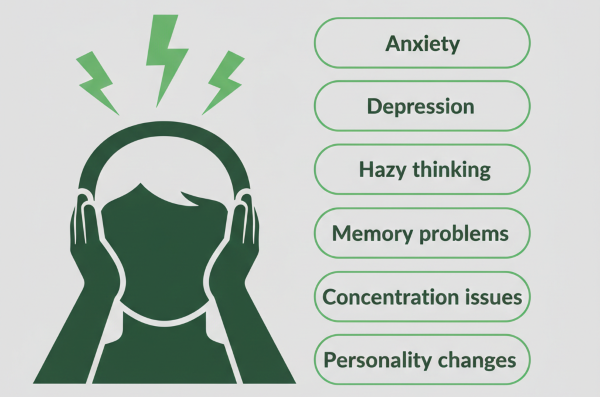
Long-term mental complications might be:
- Cyclic depression or anxiety.
- Fogged thinking and reduced memory.
- Weaknesses in emotional strength.
- Greater danger of mental deterioration.
- There are increased chances of suicide.
In situations when alcohol does not spare mental health for months and years, the changes may seem overwhelming, but many of them are at least partially reversible with the appropriate treatment and permanent sobriety.
Development of an Alcohol Use Disorder (AUD)
The condition arises when drinking transforms into a compulsive behavior, as opposed to being voluntary. This occurs over time and tends to be accompanied by deterioration of mental health.
Signs of AUD include:
- Whether frequently or as a cure to relieve stress, sadness, or anxiety.
- Taking more alcohol to get the same impression.
- Easygoing when not intoxicated, then irritable.
- Loss of control of the amount of drinking.
- Whilst drunk, hurting the mind or feeling.
Mental health disorders and AUD often support one another, forming a loop that seems hard to break without the help of a professional.
Alcohol Consumption in the U.S.
Alcohol consumption is widespread, yet its psychological health effect is unappreciated. Even adults who do not identify themselves as alcoholics may be anxious, experiencing depression or other emotional instabilities, which are directly related to the consumption of alcohol.
High levels of stress, isolation, and mental health are emerging challenges in the U.S., which have raised the propensity of turning to alcohol as a coping mechanism. Regrettably, this tends to aggravate emotional symptoms instead of curing them.
Start healing at Solutions Healthcare where expert alcohol addiction treatment supports lasting sobriety and wellness
What Effects Can Alcohol Have on My Mental Health?
Alcohol may have both negative and unobvious impacts on mental health. Whereas there are those individuals who experience emotional transformation instantly, there are those who experience the same over time.
Potentially, its mental health implications include:
- Crushed with more anxiety and panic conditions.
- Suicidal or sad moods.
- Temper tantrums and anger outbursts.
- Maintenance of less motivation and self-esteem.
- Failure to handle stressful situations without alcohol.
Whatever you are not aware of is that, in case alcohol seems like something you need to relax, sleep, or feel fine emotionally, then it might be affecting your state of mind more than you think.

Help is Available
And, just in case you think there is something wrong with your alcohol and you started feeling the mood, thinking, and emotional control, you are not the only one, not a soft one. Mental illness and drug abuse are health issues that can be effectively treated with the correct treatment.
The treatment available at Solutions Healthcare is for both mental health and alcohol use, based on compassion and evidence-based approaches. In our nonjudgmental effort to make people experience emotional balance, clarity, and confidence, we can help them regain all these values.
Call now or request a confidential evaluation online to start the process of attaining better mental health and prolonged recovery.
Whether you or a loved one is in need, Solutions Healthcare will be there to assist you, since mental health can be cured, and you do not need to do it alone.
FAQ’s
Can alcohol affect mood days later?
Yes. Alcohol disrupts brain chemistry and sleep, which can cause low mood, anxiety, or irritability for several days after drinking, especially after heavy or frequent use.
How does alcohol act as a depressant?
Alcohol slows brain activity by suppressing the central nervous system. This reduces alertness and emotional regulation, often worsening depression and anxiety once the initial effects fade.
What are the mental effects of living with an alcoholic?
Living with someone who struggles with alcohol can lead to chronic stress, anxiety, emotional exhaustion, and depression. Unpredictability and conflict often take a toll on mental well-being.
How to fix post-alcohol depression?
Hydration, sleep, and avoiding further alcohol may help short term. Persistent symptoms improve best by reducing or stopping drinking and seeking professional mental health or addiction support.
How does alcohol affect depression?
Alcohol can worsen depression by disrupting serotonin levels and emotional regulation. While it may feel relieving briefly, it often deepens depressive symptoms over time.
How does alcohol affect mental abilities?
Alcohol impairs memory, focus, decision-making, and reaction time. Long-term use can lead to lasting cognitive difficulties and reduced problem-solving skills.
Why does alcohol temporarily reduce depression?
Alcohol increases dopamine briefly, creating short-lived relief. This effect fades quickly, often leaving depression symptoms stronger than before.
What is the 1/2/3 rule for drinking?
The 1/2/3 rule suggests limiting intake to one drink per hour, two per day, and three on special occasions to reduce harm, though mental health effects can still occur.
Does alcohol cause permanent mental damage?
Heavy, long-term drinking can cause lasting brain changes, but many mental effects improve with sobriety and treatment, especially when addressed early.
What is the most common psychological problem in alcoholics?
Depression is the most common, followed closely by anxiety disorders. These conditions often exist before drinking and worsen with alcohol use.
What does alcohol brain damage look like?
Symptoms include memory loss, confusion, poor judgment, emotional instability, and difficulty learning new information.
What are 10 negative effects of alcohol?
Depression, anxiety, poor sleep, memory loss, impaired judgment, mood swings, relationship problems, reduced motivation, cognitive decline, and increased suicide risk.
Disclaimer
This content is for informational and educational purposes only and is not intended as medical or mental health advice. It should not replace professional diagnosis, treatment, or guidance. Always consult a qualified healthcare provider regarding concerns about alcohol use or mental health.
Sources
- National Institute on Alcohol Abuse and Alcoholism (NIAAA)
- Substance Abuse and Mental Health Services Administration (SAMHSA)
- National Institute of Mental Health (NIMH)
- World Health Organization (WHO)
- American Psychiatric Association (APA)