
What is the number of years required before one becomes addicted to alcohol? It is a question that several individuals subconsciously pose when they observe that they are experiencing changes in their drinking patterns. The real deal is that there is no universal timeline. Where others become dependent within a short period, others may take years to consume alcohol and finally become dependent. Of greater importance is the influence of alcohol on the brain, behavior and daily life in the long run.
Alcohol dependence is not a one-day occurrence. It is gradually constructed in the impact of biology, mental health, environment and drinking patterns. One needs to know how and why an individual becomes an alcohol addict to avoid such behavior by knowing the red flags early enough before it occurs and preventing it and intervening before it is too late.
The guide simplifies alcohol addiction to human-comprehensible terms, knowing what it is and how it starts and what predisposes individuals to be addicted and how these individuals can cope with the addiction with the appropriate help.
Understanding Alcohol Addiction
Alcohol addiction, which is also referred to as alcohol use disorder (AUD), is a medical condition and not a moral issue or weakness. An individual can be addicted to alcohol, whereby the consumption of alcohol stops being voluntary as it becomes compulsory even when the alcohol intake has adverse effects.
The effect of alcohol is a change in the brain. In the long term, it distorts the reward systems, becomes more tolerant, and impairs self-control. The brain can start depending on alcohol to make him feel normal, cope with stress or feel pleasure. This is the reason why withdrawal symptoms like anxiety, tremors, nausea, sweating, or insomnia may occur when it is abruptly stopped.
There is a continuum of addiction. A person might not drink daily or seem out of control but still qualify to be addicted to alcohol in that they have cravings, have lost control or still use it despite the adverse health, relationship, or workplace effects. It is imperative to be aware at an early age since the longer one is untreated, the harder the addiction is to reverse.
Factors That Affect How Quickly Alcohol Addiction Develops
There are no two individuals who are addicted to alcohol in a similar manner. There are a number of confounding variables that determine the speed of dependence development and the severity of dependence.
Genetics has a lot of impact. Close family members have an alcohol-related problem, increasing the risk of developing it because they have inherited variations in the brain chemistry and alcohol metabolism.
Anxiety, depression, PTSD, or chronic stress are mental illnesses that may hasten addiction. Alcohol can be initially relaxing, but with time, it will aggravate emotional symptoms and dependency.
Another important one is drinking habits. Heavy drinking, drinking to cope, or binge drinking increases the chances of getting addicted to alcohol immensely as compared to drinking occasionally and moderately.
Age of first use also matters. Drinking at a tender age or as a teenager puts an individual at the risk of becoming an alcoholic, as the brain has not fully.
The environment and social factors contribute more to risk, and they include workplace culture, peer pressure, stress level, and easy access to alcohol. Addiction is also more tolerable whereby excessive drinking is condoned.
For personalized medication guidance and assessment, contact Solutions Healthcare
Signs and Symptoms of Alcohol Addiction
Early detection of addiction to alcohol will avoid harm in the long run. These symptoms usually develop over time and can be ignored or overlooked at the beginning.
Frequent warning symptoms consist in:
- To experience the same effect (tolerance), it is required to drink more alcohol.
- Drinking more or extending more than intended.
- Strong desires or common impressions of alcohol.
- Difficult to minimize or withdraw.
- Eating to get rid of stress, worry or depression.
- Irritation, non-alcoholic restlessness.
- Lack of competent arrangement of tasks, teamwork and personal hygiene.
- Consumption of alcohol, irrespective of its health, legal and economic impact.
The physical symptoms may include sleep difficulties, eating disorders, forgetfulness, headaches or frequent illness. Some emotional changes that may be the initial indicators of the emergence of an alcohol problem may include mood variability, shame, secrecy, or isolation.
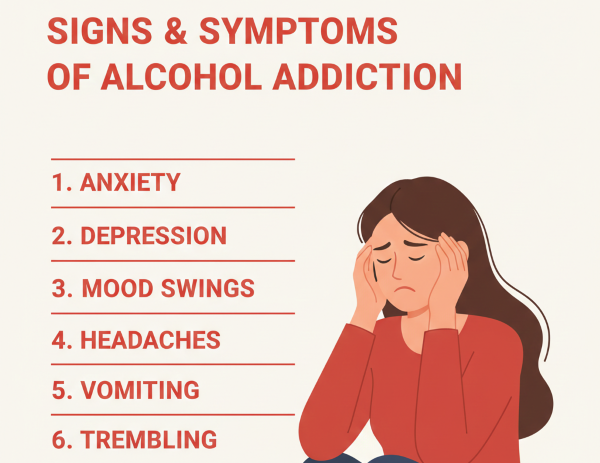
In case some of these symptoms are becoming familiar, professional advice may become a significant step.
Dealing With Alcohol Addiction: Steps Toward Recovery
The initial recovery process is that of recognizing that the alcohol addiction is treatable. The majority of people delay the process of seeking help because of the feeling that their issues are not so serious. The use of force is factually safer when it occurs at an earlier stage to cause less harm in the long term.
The first one is a self-assessment or a professional assessment. This is to facilitate determining the level of alcohol dependence and the need for medical detox. To be safe, the detox process must be monitored in patients with moderately severe addictions.
The treatment can be either in an inpatient or an outpatient program, one-on-one counseling, or group therapy, and evidence-based therapy, including cognitive behavioral therapy (CBT). Co-occurring mental disorders are to be used as a long-term recovery solution.
Support systems also matter. Healing does not represent a personal endeavor. The chances of relapse can be reduced significantly through peer support, involvement of family and continuous aftercare.
Most importantly, recovery may be regarded as the restoration of a full, satisfying, meaningful life, not just the termination of alcohol intake. Through the right care and support, many who had already been addicted to alcohol eventually manage to regain their health, relations, and confidence, as well as a sense of purpose.
Discuss medication planning and support with Solutions Healthcare

Get Alcohol Addiction Treatment Today
And, because you or someone you love is an alcohol addict, it can be helped and it works. Alcohol addiction is a progressive disorder and in other words, it tends to worsen with time. Delays on the bottom will lead to jeopardy of serious health-related issues, shattered relationships, and missed healing opportunities.
Solutions Healthcare is a personalized, caring, and evidence-based alcohol addiction treatment. No matter whether you are noting the first signs in the morning or you are struggling with a chronic addiction, you may always receive some professional attention.
Call Solutions Healthcare to make a call and talk privately with a treatment specialist and take the first step towards a recovery. Placing near you helps visibility and hope.
Medical Disclaimer
This content is for informational and educational purposes only and is not a substitute for professional medical advice, diagnosis, or treatment. Always seek the guidance of a qualified healthcare provider with questions regarding alcohol use, withdrawal, or addiction treatment.
Sources
- National Institute on Alcohol Abuse and Alcoholism (NIAAA)
- Substance Abuse and Mental Health Services Administration (SAMHSA)
- American Psychiatric Association – DSM-5-TR
- Centers for Disease Control and Prevention (CDC)
- Mayo Clinic – Alcohol Use Disorder
Frequently Asked Questions
How long does it take for alcohol dependence to develop?
Alcohol dependence can develop in weeks to months for some people, especially with frequent heavy or binge drinking. For others, it may take years. Genetics, mental health, and drinking patterns strongly influence how quickly dependence forms.
What are 5 warning signs of addiction?
Five common warning signs include increased tolerance, strong cravings, loss of control over drinking, continued use despite negative consequences, and withdrawal symptoms such as anxiety or irritability when alcohol is unavailable.
How much alcohol is considered an addiction?
Addiction is not defined by a specific amount of alcohol. Someone may be addicted if they cannot control drinking, experience cravings, or continue drinking despite harm, even if their intake seems moderate to others.
What is the first stage of alcoholism?
The first stage often involves increased tolerance and drinking to cope with stress or emotions. Alcohol use becomes more frequent, and the person may begin thinking about drinking as a necessary part of daily life.
What does 7 days no alcohol do to your body?
After seven days without alcohol, sleep quality often improves, inflammation decreases, hydration balances, and liver function begins to recover. Many people also notice clearer thinking, better mood stability, and reduced anxiety.
What is the 1/2/3 rule for drinking?
The 1/2/3 rule suggests limiting alcohol to one drink per hour, two drinks per day, and no more than three days per week. While helpful for moderation, it may not be effective for someone already addicted.