
The Stages of Addiction Recovery are critical information that every addict on the other side of the addiction needs to understand, be it to seek assistance to their own benefit, to assist a family member, or to simply clarify the way recovery works. Healing is not a linear process. It is a process that follows certain stages, which have their own struggles, milestones and possibilities of development.
By learning about the developmental processes of addiction recovery, individuals will be equipped with the skills to remain active, get the right kind of support, and establish sustainable change.
This guide is not addressed to clinical perplexity. With the help of reliable studies and proven models of treatment (including the experiences which American Addiction Centers reflect), we will discuss how addiction is formed, what withdrawal and detox is about, and how treatment helps to recover at every level.
Contact Solutions Healthcare
Battling with Drug and Alcohol Addition? Remember, you are not alone and we are here to help you!
How the Stages of Addiction Recovery Fit Together
Addiction recovery stages tend to move between active substance use to stabilization, deeper forms of treatment and long-term continuance. People might experience these phases at varying rates or recur in a phase, but this model will serve to understand why recovery seems different at varying times- and what type of support will be the most useful in the process.
What is Alcohol Withdrawal?
Alcohol withdrawal refers to the reaction that the body has whenever an individual who has been drinking a lot stops drinking or cuts down the alcohol consumption considerably. The brain slowly gets used to the depressing properties of alcohol. The deprivation of alcohol leads to the nervous system being overactive, resulting in withdrawal symptoms which are mildly threatening (pain-inducing) to life-threatening complications.
When Does Alcohol Withdrawal Start?
Alcohol withdrawal might appear 6 to 12 hours after the final consumption, but this may vary. The conditions that may be experienced at a young age are usually anxiety, tremors, sweating, nausea, and insomnia. The symptoms might develop earlier and faster when medical assistance is lacking, as observed in persons who have long-term or heavy use of alcohol.
How Long Does Alcohol Withdrawal Last?
The majority of alcohol withdrawal symptoms reach their maximum at 24-72 hours and start improving within 5-7 days. Nevertheless, psychological symptoms can be longer-lasting, including mood swings, sleeping problems or cravings. In the addiction recovery phases, detox has been understood to be a beginning and not an endpoint.
What Causes Alcohol Withdrawal?
The withdrawal effects of alcohol are due to the fact that chronic alcoholism changes the manner in which the brain governs the neurotransmitters. Alcohol inhibits the central nervous system. When abruptly withdrawn, the brain still fires on an accelerated rate, resulting in such symptoms as being agitated, increased heart rate, seizures, or delirium tremens (DTs) in the worst situations.
What Happens During Alcohol Withdrawal and Detox?
Detox is a medically assisted procedure aimed at eliminating alcohol safely in the body as well as handling withdrawal symptoms. In the process of detox, the vital signs are observed, the medication could be used to avoid complications, and hydration and nutrition are normalized. Detox also cleanses the body and the mind to the subsequent addiction recovery phases, such as therapy and long-term behavior change.
Common Withdrawal and Detox Symptoms
The symptoms of alcohol withdrawal depend on an individual; however, the common ones are:
- Anxiety and restlessness
- Tremors or shaking
- Nausea and vomiting
- Headaches and sweating
- Insomnia
- Rapid cardiac beat and hypertension.
Even worse, hallucinations, seizures, or confusion can be experienced. It is these dangers that make trying detox on solo grounds unwise in the face of a heavy or protracted alcohol consumption.
Factors That May Influence the Detox Timeline
The level of time and detox symptoms may vary depending on several variables, which include:
- Alcohol consumption length and quantity.
- Old age and general level of physical well-being.
- Constellations of mental illness.
- Past instances of withdrawal.
- Use of other substances
Clinicians can use the knowledge of these factors to provide different types of care when working with an addict during different phases of recovery.
What is the Treatment for Alcohol Withdrawal?
Treatment usually incorporates medical care, temporary drugs to decrease the effects of withdrawal, dietary help, and constant observation of complications. When withdrawal stabilization is reached, treatment changes to therapy, counseling and relapse prevention for the psychological and behavioral components of the addiction, which cannot be solved by detox.
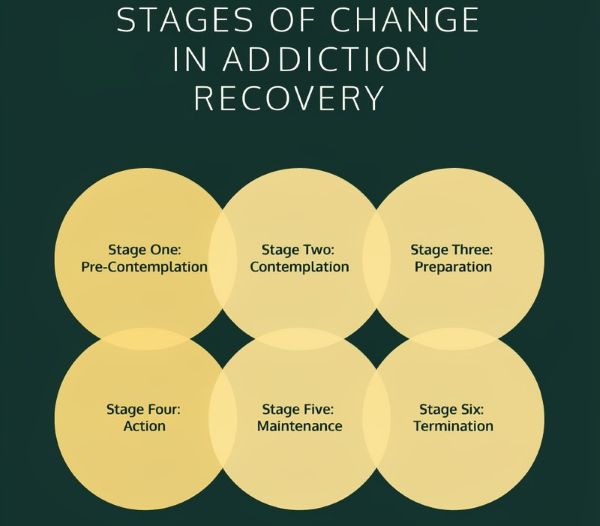
How the Stages of Addiction Recovery Support Long-Term Change
Although the detox is required to deal with the physical dependency, the entire problem of addiction recovery goes far beyond the withdrawal:
- Recognition and Motivation – Acceptance of the problem and deciding to get help.
- Detox and Stabilization – Safety in withdrawal.
- Active Treatment Therapy, education and skill-building.
- Maintenance and Relapse Prevention – Maintaining progress and dealing with triggers.
The stages build on each other and form a basis of a long-term recovery instead of a short-term abstinence.
Why Professional Support Matters
The addiction influences brain chemistry, decision-making and emotional control. The most vulnerable phases in the recovery of addicts are offered accountability, safety and structure under professional care. Evidence-based care is beneficial in the reduction of relapse rates, as well as helping to regain relationships, careers, and self-confidence in the long term.

A Path Forward with Solutions Healthcare
The Solutions Healthcare takes the healing process as a whole-person process but not an event. Treatment, starting with medically assisted detoxing to personalized care planning and follow, is created to meet individuals wherever they stand on the continuum of addiction recovery and support them to fully transition into their next constructive stage of life.
👉 Ready to Take the Next Step?
Should any loved one or aunt relative be going through difficulties when using alcohol, they may want to seek professional assistance, which will save them from endless relapse and progression to finally achieve permanent recovery. The sooner you are in touch with Solutions Healthcare, the sooner you will be able to start a more successful and safe journey.
Disclaimer
This content is for informational and educational purposes only and is not a substitute for professional medical, psychological, or substance use treatment advice.
Frequently Asked Questions
What are the 5 stages of the recovery process?
The five stages typically include acknowledgment, detox and stabilization, active treatment, maintenance, and long-term recovery. Each stage addresses different physical, emotional, and behavioral needs, helping individuals move from dependence toward sustained wellness and relapse prevention.
What are the 12 steps in addiction recovery?
The 12 steps are a structured spiritual and behavioral framework used by programs like Alcoholics Anonymous. They focus on acceptance, accountability, personal reflection, making amends, and ongoing growth to support long-term sobriety and emotional healing.
What are the 4 stages of addiction?
The four stages of addiction often include experimentation, regular use, risky use or abuse, and dependence. As substance use progresses, control decreases and negative consequences increase, eventually interfering with health, relationships, and daily functioning.
What are the 7 stages of addiction?
The seven stages commonly described are initial use, increased use, tolerance, dependence, addiction, crisis, and seeking help. These stages highlight how addiction develops gradually, often before the person recognizes the severity of the problem.
What are the 5 stages of addiction in order?
The five stages are experimentation, regular use, risky use, dependence, and addiction. Each stage reflects increasing physical and psychological reliance on the substance, making professional intervention more important as the disorder progresses.
What is step 7 in recovery?
Step 7 in the 12-step model focuses on humility and willingness to change. It involves asking for help in removing personal shortcomings and reinforcing accountability and openness as part of ongoing emotional and behavioral growth.
Sources
- National Institute on Alcohol Abuse and Alcoholism (NIAAA)
- Substance Abuse and Mental Health Services Administration (SAMHSA)
- American Addiction Centers
- Mayo Clinic – Alcohol Withdrawal
- National Institutes of Health (NIH)