In This Blog
- Understanding of treatment programmes for substance abuse
- Major types of treatment available
- Factors Contributing to Effective Treatment Programs
- How to choose the best program
- Making the first step to recovery
What is Substance Abuse Treatment?
Substance abuse treatment is a structured treatment process that helps people to break harmful usage patterns related to substances. It comprises a combined behavioural treatment, emotional support and withdrawal management, skills building and relapse prevention planning.
Programs are made for people to be in their own comfort zone and be able to get help without judgment or stigma.
Treatment is seen as the acknowledgement of the triggers, improving emotional control, improving decision making and improving areas of life that have been affected by substance using. Far too many treatment is the link that might make you feel stuck, and give a sense of a lack of doctrinal progression.
Fact: Every year, more than 35 million people suffer from harmful use of substances in the world.
Source: WHO — Mental Health and Substance Use Disorders
How Substance Abuse Develops: Understanding the Root Causes
Substance use is almost always not an isolated event. It often is the total of emotional/environmental/genetically/psychological. Within the normal range, the use and the effect of trauma and high levels of stress, social pressure, or not treating mental health symptoms in the early stages can result in damaging patterns.
Emotional Influences
A lot of people like to use substances as a means of dealing with difficult emotions. Drug or alcohol may be a process of temporarily appeasing a feeling of sadness, anxiety, fear, shame or a result of an unresolved trauma.
Over the course of time, the brain develops an understanding between the emotional distress and the substance use and dependence on the substance increases.
Biological and Environmental Factors
Genetics can have an effect on cravings or a pressure feeling in the person. Environmental factors are also risk factors, including exposure to substance use, lack of support or unstable environment.
The National Institute on Drug Abuse (NIDA) says that, after long-term use of a substance, changes in reward, motivation and decision-making systems of the brain are observed.
Co-Occurring Mental Health Symptoms
Conditions such as depression, post traumatic stress disorder and anxiety often go hand in hand with the abuse of substances. When both are present, often integrated treatment is more effective as far as treatment results are concerned.
Expert’s Advice “Take care of the emotional health, and substance use for better stabilisation of the recovery.” — NIDA
100% Confidential Support is Available 24/7
No matter what you’re going through, you’re not alone. Our dedicated team is here to provide a safe, judgment-free space where you can talk openly and honestly. Whether you need emotional support, resources, or just someone to listen.
We’re here for you—completely confidential and always respectful of your privacy. Call us today!
Types of Substance Abuse Treatment Programs Explained
Program Type | Description | Best For | Level of Structure |
Detox | Helps one to safely get out and makes them more ready for therapy | People that are suffering from a active substance dependence | High |
Residential Program | Round-the-clock structured recovery environment | People that need some distance from the triggers | Very High |
IOP/PHP | Therapy in the form of everyday/weekly sessions | Stay in a residential facility – People who need some structure, but not the whole stay | Medium–High |
Outpatient Care | Counseling on a weekly or biweekly basis | Mild symptoms + Home Support is high | Moderate |
Take the road to recovery at Solutions Healthcare– visit now
Contact Solutions Healthcare
Battling with Drug and Alcohol Addition? Remember, you are not alone and we are here to help you!
How to Know Which Treatment Path Is Right for You
Finding the right treatment program is dependent on objectives, lifestyle and current symptoms. The single path does not work for everyone.
Evaluate Your Current Challenges
Think about the way your substance use is affecting your routine, your health, your relationships or your emotional wellbeing. If you’ve tried to cut back or quit using on your own, but you have not been able to quit, then structured support may be necessary.
Identify Safety, Stressors, and Support
If you have an environment with increased stress or associated with access to substances, a more structured program like residential or IOP may help.
If you have great support you have at home, an outpatient care may work great.
Look at Co-Occurring Conditions
People suffering from anxiety, depression, trauma or chronic stress will often benefit from a treatment approach that incorporates treatment for emotional health in conjunction with substance use.
Use an Initial Assessment
Most treatment centers offer assessment in order to make the best fit. These evaluations consider:
- Frequency and pattern of use
- Emotional health
- Physical symptoms
- Readiness for change
- Support system
- Past treatment experiences

What to Expect When Beginning a Treatment Program
Starting a treatment program can be intimidating task but the process of treatment is here to help give you clarity, structure and offer emotional support throughout your process.
1. Intake & Assessment
You’ll start out with an assessment to take a look at your history, your goals, what is triggering you and where your needs lie right now. This means that your treatment plan is an individual one which is suitable and appropriate to you.
2. A Personalized Recovery Plan
You’ll work in a team in order to establish goals. Plans may include behavioural therapy, ways to prevent relapses, tools to help you manage your symptoms, as well as emotional support, depending upon your symptoms.
3. Daily or Weekly Therapeutic Sessions
Depending on the nature of the program the sessions may include:
- Behavioral therapy (CBT, DBT, MI)
- Mindfulness and grounding skills
- Trauma-informed sessions
- Peer support groups
- Emotional regulation tools
- Healthy routine building
4. Long-Term Preparation
Treatment involves relapse prevention planning, triggering and creating a lifestyle that will set a foundation of stability.
Start personalised substance abuse treatment with Solutions Healthcare
Medical Disclaimer: This blog is for informational purposes only and is not a substitute for professional medical advice.
Key Takeaways
- Substance abuse treatment provides a well-organised form of help to the emotional, behavioral and recovery issues.
- Depending on the severity of the abuse, the treatment programs can range from detox to residential to outpatient treatment.
- Substance use takes place due to emotional, biological and environmental factors.
- Individualised testing in order to find the most effective route of treatment.
- Get professional help if the symptoms last for 4 to 6 weeks or get worse with time.
100% Confidential Support is Available 24/7
No matter what you’re going through, you’re not alone. Our dedicated team is here to provide a safe, judgment-free space where you can talk openly and honestly. Whether you need emotional support, resources, or just someone to listen.
We’re here for you—completely confidential and always respectful of your privacy. Call us today!
FAQs
1. How long does substance abuse treatment typically last?
Treatment duration varies based on addiction severity and individual needs. Residential programs typically last 30-90 days, while outpatient treatment continues for several months to a year. Research shows longer treatment produces better outcomes. Many people benefit from continuing care including therapy and support groups extending beyond initial intensive treatment.
2. Will my insurance cover substance abuse treatment?
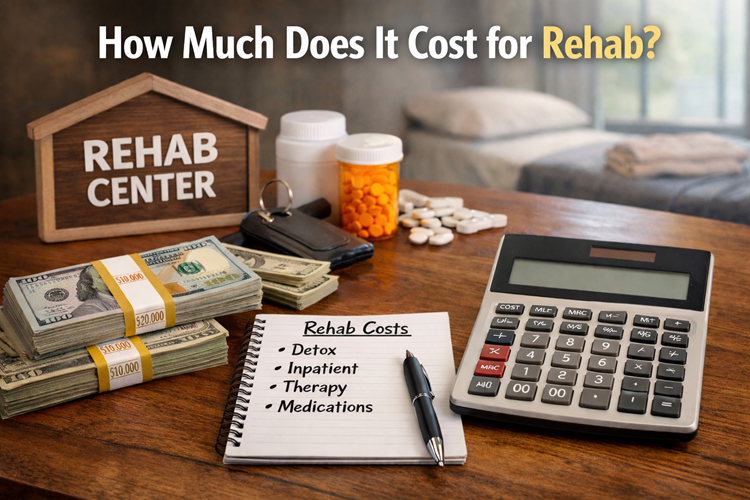
Most insurance plans cover substance abuse treatment due to mental health parity laws requiring equal coverage for addiction services. Coverage varies by plan, so contact your provider to verify benefits, in-network facilities, pre-authorization requirements, and out-of-pocket costs. Treatment centers help with insurance verification and explain coverage details.
3. Can I work while attending treatment?
This depends on treatment intensity. Residential and partial hospitalization programs require full-time commitment, necessitating work leave. Intensive outpatient programs often schedule sessions during evenings or weekends, allowing employment maintenance. Standard outpatient treatment involves only weekly sessions, easily accommodating work schedules. Discuss your employment situation when selecting programs.
4. What if I’ve tried treatment before and relapsed?
Relapse is common and doesn’t mean treatment failed or recovery is impossible. Addiction is chronic with relapse rates similar to other chronic diseases. Previous treatment attempts provide learning about what works and what doesn’t. Many people require multiple treatment episodes before achieving lasting sobriety, with each attempt building on previous progress.
5. How do I know if I need residential or outpatient treatment?
Several factors determine appropriate treatment levels. Residential treatment suits severe addictions, co-occurring mental health conditions, previous outpatient treatment failures, medical complications requiring monitoring, unstable housing, or environments filled with substance use triggers. Outpatient treatment works for milder addictions, strong support systems, stable living situations, and maintaining work or family responsibilities.
6. What happens after completing a treatment program?
Successful programs develop comprehensive aftercare plans before discharge. This includes continuing outpatient therapy, participation in support groups like Alcoholics Anonymous or Narcotics Anonymous, possible sober living arrangements, medication management if needed, regular counselor check-ins, and practical support for employment, education, or housing. Ongoing aftercare engagement significantly improves long-term recovery success.