
In This Blog
- Understanding how success is defined in alcohol recovery
- Why does no single program work for everyone
- Core elements of effective alcohol recovery programs
- Common types of alcohol recovery programs
- Outpatient programs and structured flexibility
- Role of professional oversight and coordination
- Measuring progress without guarantees
- Continuity of care and long-term planning
- Key considerations when choosing a program
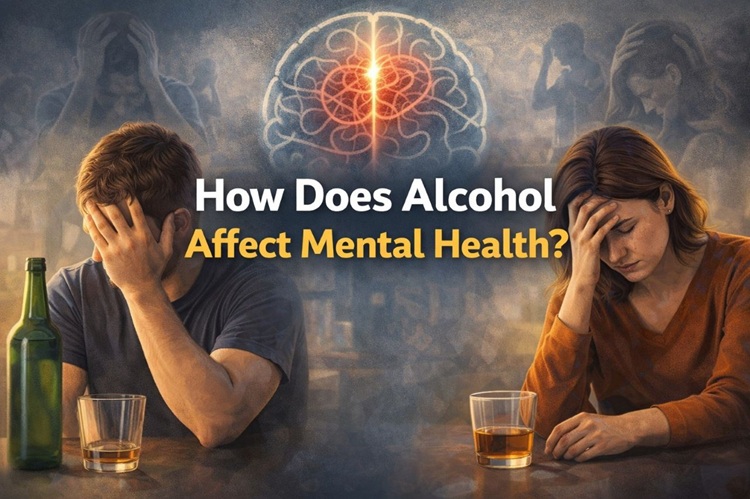
Whether one of the alcohol recovery programs is the most successful one cannot be addressed by a single general answer. The variables affecting success in alcohol recovery are numerous, and they are based on the needs of the individual, the degree of structured support, conformity of attendance to regular participation, and availability of coordinated services. Instead of concentrating on a single program model, the level of research has placed emphasis on the fitting of recovery services to the circumstances of an individual, as outlined in discussions around evidence-based substance abuse treatment.
There are alcohol recovery programs that are situated on the continuum, with a low-intensity community-based setting to a more structured outpatient and residential setting. The effectiveness can be assessed by the intensity of a program, but it depends on the effectiveness of a program to facilitate engagement, skills development and continuity of care. This means that to find out what makes successful outcomes, one must look at the underlying factors that common programs have, and not find the best approach.
Expert Advice: Recovery program success depends on individualized structure, consistency, and long-term engagement.
Understanding How Success is Defined in Alcohol Recovery
Effective alcohol recovery has no single outcome or time. Rather, it has often been assessed by a combination of diminished alcohol consumption, higher daily functioning, continued involvement in recovery services and higher quality of life. These indicators are specific to an individual and can be modified over time.
Notably, recovery is in many cases nonlinear. The times of improvements can be followed by fluctuations and changes to facilitate measures are usual. The programs which view recovery as a process that is never complete and instead is a continuous process tend to focus on flexibility and long-term planning as opposed to short-term milestones.
Why No Single Program Works for Everyone
Alcohol use patterns, personal histories, and environmental factors differ widely. Because of this variability, no single alcohol recovery program can be considered universally successful. What works well for one individual may not be appropriate for another.
Key factors influencing program fit include:
- Severity and duration of alcohol use
- Co-occurring mental health challenges
- Personal responsibilities such as work or caregiving
- Access to supportive environments
- Readiness for change and engagement
Programs that allow for individualized planning and adjustments are better positioned to support diverse needs.
FACT: Multiple evidence-informed alcohol recovery approaches show effectiveness when matched to individual needs.
Core Elements of Effective Alcohol Recovery Programs
Although program formats vary, effective alcohol recovery programs tend to share several foundational elements. These components contribute to structure, accountability, and sustainability.
Common elements include:
- Clear schedules and expectations
- Evidence-informed approaches
- Skills development and education
- Ongoing progress monitoring
- Professional oversight and coordination
These elements help create consistency and support informed decision-making throughout the recovery process.
Common Types of Alcohol Recovery Programs
Alcohol recovery programs are available in several formats, each offering different levels of structure and flexibility. Understanding these options helps individuals make informed choices.
Outpatient Programs
Outpatient programs provide scheduled recovery services while allowing individuals to live at home and maintain daily responsibilities. Sessions may occur weekly or multiple times per week, depending on the structure.
Intensive Outpatient Programs
Intensive outpatient programs offer increased frequency and structure compared to standard outpatient services. They are often used when additional support is needed without requiring overnight stays.
Residential Programs
Residential programs involve temporary live-in environments that provide continuous structure. These programs may be appropriate for individuals requiring higher levels of supervision before transitioning to outpatient support.
For information on outpatient alcohol recovery options, contact Solutions Healthcare
Outpatient Programs and Structured Flexibility
Outpatient alcohol recovery programs are often highlighted for their balance between structure and flexibility. Participants engage in scheduled services while continuing work, education, or family responsibilities. This format supports real-world application of learned strategies.
Outpatient programs may include individual discussions, group-based learning, and education focused on understanding alcohol use patterns. Because participants remain in their everyday environments, outpatient services emphasize skill application and self-monitoring.
Comparison of Common Alcohol Recovery Program Types
Program Type | Living Arrangement | Schedule Intensity | Primary Focus |
Standard Outpatient | At home | Low to moderate | Ongoing support and skills |
Intensive Outpatient | At home | Moderate to high | Increased structure and engagement |
Residential | Live-in setting | High | Stabilization and transition planning |
Role of Professional Oversight and Coordination
Professional oversight plays a critical role in alcohol recovery program effectiveness. Oversight ensures that services remain structured, consistent, and responsive to changing needs. This includes session planning, progress review, and coordination among recovery services when applicable.
Coordination helps align different aspects of recovery support, reducing fragmentation. When programs communicate clearly and adjust plans collaboratively, individuals are better supported throughout transitions and changes in care levels.
Measuring Progress Without Guarantees
Alcohol recovery programs avoid guarantees because progress varies widely among individuals. Instead, progress is measured through observable changes and ongoing engagement. These measures may include attendance consistency, goal achievement, reduced alcohol-related disruptions, and improved coping strategies.
Programs that emphasize realistic goal-setting and periodic reassessment allow individuals to track progress without unrealistic expectations. This approach supports autonomy and informed participation.
Continuity of Care and Long-Term Planning
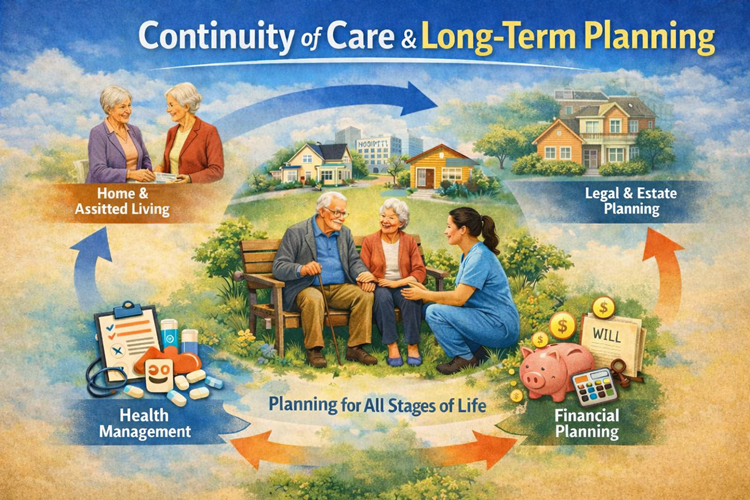
Long-term planning is a key factor in recovery success. Alcohol recovery often extends beyond initial program participation, making continuity of care essential. Continuity refers to how services adapt and remain connected over time.
This may involve:
- Transitioning between program intensities
- Incorporating community-based recovery supports
- Adjusting schedules as responsibilities change
- Ongoing skill reinforcement
Programs that prioritize continuity help reduce disruptions and support sustained engagement.
Learn how continuity-focused recovery programs work by calling Solutions Healthcare
Key Considerations When Choosing a Program
Selecting an alcohol recovery program involves evaluating multiple practical and personal factors. Transparency from providers and clear communication support informed decision-making.
Important considerations include:
- Program structure and schedule
- Level of professional oversight
- Integration of education and skills
- Flexibility for life responsibilities
- Approach to long-term planning
Factors Influencing Alcohol Recovery Program Effectiveness
Factor | Why It Matters |
Individualized planning | Aligns services with personal needs |
Consistent participation | Supports skill development |
Professional oversight | Maintains structure and coordination |
Flexibility | Allows engagement with daily life |
Continuity of care | Supports long-term stability |
Solutions Healthcare offers structured alcohol recovery services focused on consistency, professional oversight, and continuity of care. Programs are designed to support informed participation through flexible outpatient options that integrate education, skills development, and coordinated planning within a monitored treatment environment.
Medical Disclaimer: This blog is for informational purposes only and is not a substitute for professional medical advice.
Key Takeaways
- No single alcohol recovery program works for everyone
- Success depends on individualized structure and engagement
- Outpatient programs offer flexibility with consistency
- Professional oversight supports coordination
- Long-term planning is essential for sustainability
FAQs
What defines success in alcohol recovery programs?
Success is defined by improved functioning, reduced alcohol use, sustained engagement, and quality-of-life improvements over time. These indicators vary between individuals and may shift during recovery. Programs emphasize ongoing progress, consistency, and stability rather than rigid outcomes, fixed timelines, or single measures of achievement across different stages of recovery.
Are outpatient alcohol recovery programs effective?
Outpatient programs can be effective when they align with individual needs and provide appropriate structure and accountability. They allow participants to receive recovery services while maintaining daily responsibilities, practicing skills in real-world environments, and receiving consistent professional guidance and monitoring over time without full-time residential participation or constant supervision.
How long do alcohol recovery programs last?
Program length varies based on individual needs, goals, progress, and response to support. Some people participate for several weeks, while others remain engaged for months or longer. Recovery planning emphasizes flexibility, reassessment, and adjustment rather than predetermined end dates or rigid completion expectations as needs evolve over time.
Do more intensive programs guarantee better outcomes?
Higher intensity does not guarantee better outcomes in alcohol recovery. Effectiveness depends on individual fit, engagement, consistency, and continuity of support. Some people benefit from intensive structure, while others achieve success in outpatient environments that balance flexibility, accountability, and ongoing guidance based on personal needs, preferences, and circumstances overall.
Can recovery programs change over time?
Recovery programs often change over time as individual needs, goals, and circumstances evolve. Adjustments may include transitioning between program levels, modifying schedules, or adding supports. This flexibility helps maintain engagement, address challenges early, and support sustainable progress and informed decision-making throughout different phases of the recovery process overall.