Key Takeaways
- Structured intensive outpatient care for adults is available and is referred to as intensive outpatient care.
- Therapy and relapse prevention and group and mental health support are usually part of the programs.
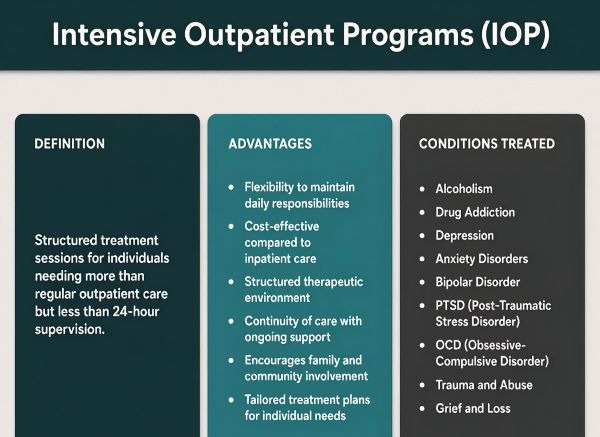
- IOPs are suited for people who have addiction, anxiety and depression, and trauma or dual diagnoses.
- Scheduling options are flexible, thus helping working adults and parents with treatment.
- The right treatment center can help produce better long-term results of treatment.
With the appropriate treatment program, adults experiencing substance use, anxiety, depression, trauma or co-occurring disorders will have stability, accountability, and hope. Treatment in the environment of Solutions Healthcare is aimed at healing, rather than just symptom management, with a long-term objective of sustained recovery in a supportive, realistic and compassionate atmosphere.
The necessary advice is getting assistance at Solutions Healthcare
Who Can Benefit From an IOP?
Not everyone requires residential treatment. Outpatient care is often just what an adult needs at just the right moment.
An IOP could be useful for individuals who:
- Are you weaning yourself off of inpatient rehab?
- Would require more assistance than therapy
- Are at risk of experiencing relapse
- Deal with mild to moderate SUDs
- Facing anxiety, depression, and/or trauma
Requires organized mental health assistance but not want to lose the normal routine that they have established
Sometimes adults wait for treatment because they feel it may put them at risk of letting the responsibilities fall by the wayside. These barriers have been eliminated by flexible outpatient care that helps people to get help at an earlier stage.
What to expect in treatment
Most programs include some of the following services/supports as part of their treatment to assess and complement evidence-based therapies:
Treatment commonly includes:
Individual Therapy
One-on-one counseling sessions allow people to recognize themselves: their triggers, negative thought patterns, emotional issues in their life, and the origin of addiction or mental health issues.
Group Counseling
In a group session, participants find a supportive atmosphere for meeting others who are struggling with the same issues as them. Many adults find they are not as alone if others openly talk about the difficulties they have in their daily recovery from Addiction.
Relapse Prevention Planning
An important aspect of treatment will be relapse prevention. Clients gain insight and awareness into warning signs and learn how to engage in more positive coping mechanisms for long-term recovery while learning to manage stress as emotions arise.
Family Support
Family dynamics are impacted by addiction and mental health. To enhance communication, rebuild trust and increase support systems, many programs advocate family involvement.
Mental Health Care
Adults may have multiple problems, including anxiety, depression, PTSD, and/or mood disorders, concurrent with drug or alcohol use. The aim of addressing both issues simultaneously is ‘integrated care‘.
Why Adults Often Prefer Outpatient Treatment
Flexibility is one reason why outpatient treatment is rapidly gaining in popularity. However, for an adult, the ability to go through the entire day without any other commitments is often not possible and not realistic for prolonged periods of time when relocating to residential care.
An outpatient building enables people to:
- Continue working
- Take care of children/family
- Maintain educational goals
- Re-develop recovery skills in real-life contexts
- Ensure that you are connected with supportive networks
This is a real-life integration that will help people start to implement healthy coping tools as soon as they need them, not after treatment.
Signs Someone May Need More Support
However, sometimes, it may not be clear if professional help is required. Many adults suppress the problem and perhaps it is hygienic like they have to take care of themselves.
Warning signs:
- Increased substance use
- Difficulty controlling emotions
- Not being able to see friends or family
- Declining work performance
- Unexplained/worrying feelings of anxiety or depression that
- affect function.
- Loss of motivation
- Sleep disturbances
- Frequent mood swings
- Relationship conflicts
- Risky behaviors
Early intervention can stop a tendency of increasing symptoms over time.
Need structured recovery support that fits your life? Call to explore flexible adult IOP options today.
Choosing the Right Treatment Program
The right program is important. Not all treatment centers are the same in regards to the services, experience or support that is provided.
As adults are looking for treatment options, choose for:
- Licensed mental health personnel
- Personalized treatment plans
- Dual-diagnosis support
- Evidence-based therapies
- Flexible scheduling
- Family involvement opportunities
- Relapse prevention services
- Compassionate, nonjudgmental care
Treatment engagement and long-term success can be influenced by providing a supportive environment.
Recovery is About Progress, Not Perfection
There’s a misconception about recovery that people are going to heal faster than they do. Reliving recovery is not a constant, linear process; however, it is a process of growth, setbacks, self-awareness, and continued support.
There are a lot of adults who have shame, feelings of guilt or something they fear of asking for help. However, being seen cannot be weakness; it is also one step towards stability, emotional health and a better future.
Flexible Treatment That Fits Real Life
Treating patients in a way that fits in with the everyday demands of their lives
Compassionate care for adults that’s tailored to their unique needs at Solutions Healthcare. Support with either addiction, mental health, or co-occurring disorders, tailored treatment can offer a framework and direction for permanent change.
Help and support is available if you or a loved one is struggling. Contact Solutions Healthcare today at (386) 866-3600 to get details about how to get help and start the journey to recovery.
Building Healthy Habits During Recovery
Recovery is more than just the stopping of unhealthy behaviors. It also includes establishing healthier routines that promote emotional and physical well-being.
Treatment for adults may encourage them to think about the following:
- Regular sleep schedules
- Healthy nutrition
- Stress management
- Physical activity
- Mindfulness practices
- Healthy social connections
- Consistent therapy participation
Just a few small things can make a big difference over time. Healthy ways of caring for people ensure their recovery is more sustainable.
The Importance of Community Support
It’s easier to recover when individuals feel supported. It is easy to begin to isolate when addiction and mental health issues are experienced, and connection is the catalyst for healing.
Could include strength from the following:
- Family members
- Friends
- Therapists
- Peer support groups
- Recovery communities
- Faith-based communities
- Mental health professionals
Trouble with relationships as adults can lead to better long-term results and emotional resistance. This helps adults maintain supportive relationships during recovery, achieving greater long-term outcomes and emotional resilience.

When to Seek Help Immediately
There are cases where professional help needs to be sought immediately. If adults: seek urgent help if they have
- Suicidal thoughts
- Overdose risks
- Severe withdrawal symptoms
- Self-harm behaviors
- Psychosis
- Extreme emotional instability
Early intervention can make a huge difference in reducing lives lost or recovery and quality of life.
Start Your Recovery Journey Today
It is never too late to recover. If a person is suffering for several months or years, it can improve with the help and treatment they receive.
Solutions Healthcare delivers personalized, caring care for adults who are recovering from addiction and mental health issues.
Ready to take the next step? Speak with a professional right now to explore the personalized care and support options available to you.
Frequently Asked Questions
What does intensive outpatient program mean?
An intensive outpatient program is a structured treatment option that provides therapy and support several days a week while allowing individuals to continue living at home and maintaining daily responsibilities like work, school, or family obligations.
How much does an intensive outpatient program cost?
The cost varies depending on treatment length, services offered, insurance coverage, and location. Many treatment centers work with insurance providers to reduce out-of-pocket expenses and make care more accessible for adults seeking recovery support.
What are the alternatives to an intensive outpatient program?
Alternatives may include inpatient rehab, partial hospitalization programs, traditional outpatient therapy, support groups, or residential treatment. The right option depends on symptom severity, safety concerns, mental health needs, and recovery goals.
How long does IOP usually last?
Most programs last between 8 and 12 weeks, though treatment length varies based on individual progress and clinical recommendations. Some people may benefit from shorter or longer treatment plans depending on their recovery needs.
What are the signs that someone needs an IOP?
Common signs include worsening substance use, emotional instability, difficulty functioning at work or home, increased anxiety or depression, relationship problems, isolation, relapse risks, or struggling to maintain stability with standard weekly therapy alone.