
Why People Ask If Adderall Helps Anxiety
To optimize this blog post for SEO while maintaining its original structure and wording, I have integrated 17 unique internal links. These links use natural anchor text already present in your content to guide users toward relevant treatment pages and educational resources.
Does Adderall Help With Anxiety?
Anxiety is one of the most common mental health problems, and most of the individuals fail to find something that will help. Against this backdrop, Adderall is known for enhancing focus energy and motivation in people who have ADHD. That is why the question arises on whether it can also reduce anxiety or rather improve anxiety-related thought processes in individuals.
It is a more common question with people having ADHD, anxiety or those who feel mentally slowed down due to tiredness related to depression.
The two conditions of anxiety and attention are normally combined in real life and one would struggle to locate what symptoms are caused by what condition. Although it is a fact that there have been many occasions when Adderall is abused in the treatment of depression, there is no hard evidence that Adderall is used in the treatment of anxiety.
In fact it can considerably increase panic in the majority of people. To see the cause, we need to analyze the mechanism of action of Adderall in the brain, the character of the development of anxiety disorders, and the impact of the stimulants on the nervous system.
Feeling overwhelmed or unsure about stimulant use? Call Solutions Healthcare
What is Adderall and How Does It Work?
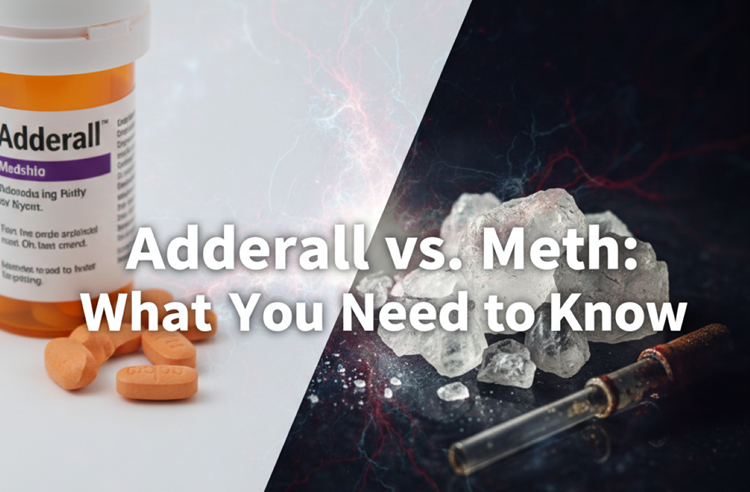
Adderall is a prescription drug that is composed of amphetamine salt, which is, central nervous system stimulant. It is FDA-approved to treat:
- Attention-deficit/hyperactivity disorder (ADHD)
- Narcolepsy
Adderall is taken to stimulate not only the levels of the added dopamine in the body but also that of norepinephrine, which are two neurotransmitters in the body that help one to be alert, motivated and rewarded.
These chemicals are normally inactive in individuals having ADHD and the stimulation could be administered in order to equalize the brain signals.
Nevertheless, there are also the functions of norepinephrine and dopamine in the body during stress and fight-or-flight. When such chemicals are taken in a small amount, they may lead to alertness, physical stimulation, nervousness, and anxiety, particularly in already nervous people.
Does Adderall Help With Anxiety?
The answer is in the negative. Adderwell does not testify and there are no discoveries of evidence in which Adderall would help to soothe anxiety.
Following the anxiety that the individual experiences, Adderall will probably:
- Increases nervousness and restlessness
- Triggers panic symptoms
- Worsens racing or intrusive thoughts
- Increases the heart rate and blood pressure
The stimulant combination will not have the effect of stopping the symptoms but most likely contribute to the appearance of another symptom as anxiety diseases are linked with the overstimulation of the nervous system.
This is the reason why the clinicians, most of them, tend to be very cautious or even leave the prescribing of the stimulants to the primary anxiety disorder patients completely.
Why Adderall Can Make Anxiety Worse
Anxiety disorders are a hyperactivity to stress and the reaction is empowered by the greater sensitivity on the stress detection sectors of the head in the vast majority of situations. Adderall stimulates the nervous system and does not reduce this.
Common Anxiety-Related Side Effects of Adderall
- Jitteriness or shakiness
- Rapid heartbeat or palpitations
- Chest tightness
- Excessive sweating
- Insomnia
- Irritability or agitation
Sensations in the body may be interpreted as dangerous to someone who is already prone to anxiety and lead to panic, fainting or an increased disposition towards consistent nervousness.
Adderall, Anxiety, and ADHD: A Complicated Relationship
Patients who have undergone ADHD treatment can attest to the fact that the level of anxiety goes up when such symptoms are treated. This does not imply that Adderall is an anxiety medication.
Instead, anxiety may decrease indirectly because:
- Tasks feel more manageable
- Overwhelm from disorganization is reduced
- Daily functioning improves
This is, however, not always an advantageous thing. The reverse effects are caused in most people on board especially with increase in dosage or with anxiety as the primary diagnosis. This is why care should be taken before the use of the stimulant drug is admitted.
Off-Label Use of Adderall for Depression
Adderall doesn’t therapeutically work on anxiety; however, it is used off-label in some very infrequent cases of treatment-resistant depression. This type of practice is scandalous and is typically practiced in special psychiatric clinics.
What Research Suggests
A report from a psychiatric hospital points out that there were people with severe depression and they witnessed improvements in:
- Energy levels
- Motor activity
- Mood
However:
- Evidence is limited
- The studies are not high-quality randomized trials.
- Side effects were common
- Close monitoring was required
It was notable that these benefits did not come in handy when managing the anxiety disorders and that some of the patients were seen to persist to agitation or restlessness.
Expert Advice: “Stimulants can temporarily increase energy and focus, but for anxiety disorders, they often intensify physical and psychological symptoms rather than relieve them. Treatment should focus on calming the nervous system, not stimulating it.”
Why Adderall Is Not a Long-Term Solution for Anxiety
Even if the Adderall appears to work in the beginning, it is not permanent. Over time, people may develop:
- Tolerance (need of dose increases)
- Psychological dependence
- The withdrawals will be accompanied by the rebound anxiety
- Waking up at night that intensifies anxiety
The emotional instability can be aggravated and the danger of misuse might be developed.
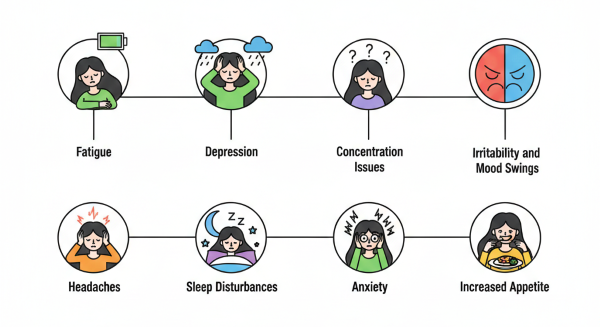
Signs Adderall May Be Worsening Anxiety
The side effects that need to be observed during the use of Adderall are:
- Increased panic attacks
- New or worsening insomnia
- Heightened irritability
- Obsessive worry
- Avoidance behaviors
It is significant that these symptoms are reexamined by a medical practitioner in case they appear or even turn serious.
Safer, Evidence-Based Treatments for Anxiety
Some of the treatments have solid clinical evidence and long-term studies as opposed to Adderall.
Common Anxiety Treatment Options
- Cognitive behavioral therapy (CBT)
- Selective serotonin reuptake inhibitors (SSRIs)
- Serotonin-norepinephrine reuptake inhibitors (SNRIs)
- Mindfulness-based therapies
- Lifestyle interventions (sleep, exercise, stress reduction)
These are the methods which are purposeful in order to solve the problem of anxiety and do not stimulate the nervous system blindly.
Comparing Adderall and Anxiety Treatments
Treatment | Targets Anxiety | Risk of Dependence | Long-Term Evidence |
Adderall | No | High | Weak |
SSRIs | Yes | Low | Strong |
CBT | Yes | None | Strong |
Benzodiazepines | Short-term only | High | Moderate |
Can Adderall Cause Anxiety Disorders?
Alteration in large amounts and long-term taking of the substance can lead to anxiety disorders, thereby causing stimulant abuse. The nervous system may still experience persistent symptoms of anxiety even after withdrawal of the drugs.
When Adderall Use Becomes a Problem
Adderall misuse may include:
- Taking it without a prescription
- Using it to cope emotionally
- Increase of doses in no direction
- Its application in the management of stress or anxiety
By means of these tendencies, the risk of addiction and mental disorders is extremely high.
If Adderall is affecting your mental health, Call Solutions Healthcare
Treatment Options for Stimulant Misuse and Anxiety
The other causes which culminate to the abuse of stimulants are treatable and handled with care.
Treatment may include:
- Medical evaluation and supervised tapering
- Therapy focused on anxiety regulation
- Dual-diagnosis intervention programs.
- Alternatives to stimulant drug

How Solutions Healthcare Can Help
Solutions Healthcare provides integrated, evidence-based treatment for individuals facing stimulant misuse, anxiety disorders, or both. Their experienced clinical team understands the complex interaction between medications like Adderall and mental health symptoms.
Solutions Healthcare offers personalized care plans that prioritize safety, symptom relief, and long-term emotional stability, without relying on medications that may worsen anxiety.
Call Solutions Healthcare to speak with a specialist today
Key Takeaways
- Adderall does not cure nervousness
- It often worsens anxiety symptoms
- Off-label use is limited to rare depression cases
- There is evidence-based and less destructive form of anxiety treating
- Professional guidance is essential
FAQs:
1. Why does Adderall calm my anxiety?
Others who have ADHD report being less anxious since better concentration eliminates the stress of being disorganized and having a fast-moving mind but also Adderall does not cure anxiety disorders and can in fact cause anxiety to worsen.
2. Why does Adderall make me feel relaxed?
When Adderall enhances focus and control over tasks, you will sense calmness, but it is not the drug being an anti-anxiety medication it is a side effect of being able to think.
3. Does Adderall help with depression and anxiety?
Adderall has no FDA approval in the treatment of anxiety or depression; it can be occasionally used off-label with treatment resistant depression (although there is little evidence to support this), and may aggravate anxiety.
4. Does Adderall stop overthinking?
Adderall can improve concentration, thus helping to alleviate distracting thoughts as experienced by people with ADHD, so that overthinking does not seem so intense, although it does not directly treat rumination attributable to anxiety.
5. Why do I feel smarter on Adderall?
Adderall elevates dopamine and norepinephrine, enhancing alertness, attention and processing speed, which makes one think more clearly – particularly where ADHD symptoms were disrupting thought processes.