

Quick Answer: Adverse reactions of meloxicam (meloxicam) can be stomach or intestinal bleeding, ulcer, kidney damage, allergic response, liver damage, heart attack and stroke. Increased risk with higher doses, longer use, with another disease, and with other medications.
If you’re wondering, what are the worst side effects of Meloxicam? Bleeding from the stomach or intestines, heart attack, stroke, kidney issues, liver damage, severe allergic reactions and serious skin reactions are the most serious. Meloxicam is a nonsteroidal anti-inflammatory drug (NSAID) that helps to decrease pain and inflammation, but, as with all medications in its class, it has the potential of causing serious complications in some individuals.
Key Takeaways
- Patients taking meloxicam may develop serious ulcers, bleeding or perforation of the stomach or intestine.
- NSAIDs like meloxicam can be a risk factor for heart attack and stroke.
- Fluid retention and/or kidney problems can develop, especially in individuals with preexisting kidney or heart disease.
- Severe allergic reactions and serious skin reactions will need prompt medical attention.
- Adults at a higher age group may be at a higher risk for severe complications.
- Using some drugs in combination with meloxicam may raise risks, such as other NSAID’s or blood thinners.
- The best option is to use the smallest effective dose possible for the shortest appropriate amount of time (preferably under medical supervision).
What is Meloxicam?
Meloxicam is a prescription NSAID that works to alleviate pain, swelling, and inflammation. It’s often used for osteoarthritis and rheumatoid arthritis.
Meloxicam is not a narcotic like opioid pain medication. But “non-narcotic” does not mean “no danger. The drug stimulates the stomach, kidneys, cardiovascular system, liver and other organs.
The FDA-approved Prescribing Information includes a boxed warning concerning serious cardiovascular and gastrointestinal (GI) risks of NSAIDs.
100% Confidential Support is Available 24/7
No matter what you’re going through, you’re not alone. Our dedicated team is here to provide a safe, judgment-free space where you can talk openly and honestly. Whether you need emotional support, resources, or just someone to listen.
We’re here for you—completely confidential and always respectful of your privacy. Call us today!
What Are the Worst Side Effects of Meloxicam?
The adverse effects of meloxicam that are the worst are the ones that may be life-threatening or need immediate medical care. Though they are rare, it is important to know the signs.
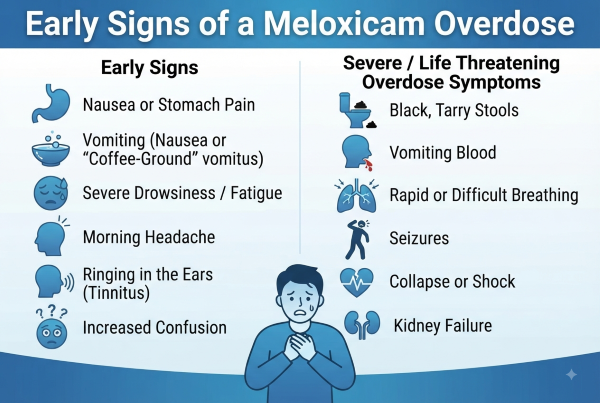
Bleeding in the stomach or intestines.
GI hemorrhage is a major complication or risk. Meloxicam can cause stomach or intestinal ulcers, blood loss or even a hole in the stomach or intestine.
Common warning signs may be:
Stomach or Intestinal Bleeding
Blood in vomit or vomit that looks like coffee grounds
Very bad or stomach pain that lasts for a long time
Unusual weakness or dizziness
Sometimes no warning symptoms are present for these complications. It may be increased in people, individuals with a history of ulcers or gastrointestinal bleeding, and individuals who take certain medications.
Heart Attack or Stroke:
One of the worst side effects of meloxicam is the increased risk of cardiovascular events such as a heart attack and stroke.
The risk can happen rather early in treatment and for a longer time of use. Individuals with cardiovascular disease or risk factors (high blood pressure, diabetes, high blood cholesterol or history of cigarette smoking) may require extra care.
If any of these signs appear to suggest an emergency (sudden onset of weakness on a side of the body, shortness of breath, pain, trouble speaking, trouble with walking, trouble finding words) seek emergency medical aid.
Kidney Problems
NSAIDs like meloxicam may affect the kidneys by lowering the levels of chemicals that ensure that blood is properly circulated in the kidneys.
This risk might be higher if you already have kidney disease, heart failure, lack of fluids (dehydration) or certain health problems. Special attention may need to be paid to some medications, such as blood-pressure medications and diuretics.
However, if they experience less urine, swelling or any other changes in their urine, it may be an indication for immediate evaluation.
Liver Problems
However, meloxicam, less frequently, can lead to liver-related issues. Yellowing of the skin or eyes, unusual tiredness, nausea, flu-like symptoms or pain in the upper right part of the abdomen.
These symptoms should not be taken lightly as if they are normal medicine side effects. If they do occur, get in touch with a health care provider.
Severe Allergic Reactions
Meloxicam can cause a severe allergic reaction. Face, lips, tongue or throat swelling, hives; trouble breathing; trouble swallowing; and/or a hoarse voice.
If someone is short of breath or has a large amount of swelling, he or she should contact the emergency room and wait to see if symptoms get better.
Serious Skin Reactions
Occasionally, but rarely, it can cause unusual, but serious, skin reactions. Indications will be blisters, peeling skin, rash or any other unusual changes in skin.
It is important to seek medical attention when the rash is serious (blisters and/or fever).
Fluid Retention and Worsening Heart Failure
Meloxicam has been known to cause fluid retention and swelling. This can be especially worrisome for individuals with heart failure or specific cardiovascular diseases.
If ankles, feet, legs, or abdomen swell; there is unexplained weight gain; or the person starts getting short of breath or has trouble breathing, these changes should be discussed with a healthcare provider as soon as possible.
Contact Solutions Healthcare
Battling with Drug and Alcohol Addition? Remember, you are not alone and we are here to help you!
Who Has a Higher Risk of Serious Meloxicam Side Effects?
Everyone does not have the same risk of the worst side effects of meloxicam. The individual risk may vary according to your age, health condition, dosage and other medicines you are taking.
An extra degree of caution should be used for those who:
- Adults
- Suffer from kidney or liver disease
- Have heart disease or heart failure
- Have hypertension (high blood pressure)
- Suffer from stomach ulcers or gastrointestinal bleeding in the past
- Take blood thinners
- Use aspirin or other NSAIDs
- Drink lots of alcohol
- Suffered allergies to aspirin or other NSAIDs
Let your health care provider know of all your medications (prescription or over the counter) and supplements.
What Should You Not Take With Meloxicam?
One asking-for-serious-problems error is assuming that the other OTC medication you took is “safe” to take along with meloxicam.
When treating a headache with meloxicam, MedlinePlus also stresses discussing use of aspirin or any other nonsteroidal anti-inflammatory drugs, such as ibuprofen and naproxen, with a healthcare provider. Medications that increase the risk of gastrointestinal bleeding include some antidepressant medications, blood thinners, and steroids.
Do not take more of any one medicine or take two types of pain medicine together because your pain is worse now.
Can Meloxicam Be Taken Every Day?
For some inflammatory diseases, Meloxicam can be taken daily. “But its daily use doesn’t mean limitless use.”
Ideally, the smallest effective dose should be used and for as short a period as necessary to achieve the desired results. Since there may be increased risk for NSAID effects with long-term use it may need look-backs periodically.
When someone has been taking meloxicam daily for several weeks or months, it is important not to tamper with the dosage without first consulting with the person’s prescriber about the treatment plan.
100% Confidential Support is Available 24/7
No matter what you’re going through, you’re not alone. Our dedicated team is here to provide a safe, judgment-free space where you can talk openly and honestly. Whether you need emotional support, resources, or just someone to listen.
We’re here for you—completely confidential and always respectful of your privacy. Call us today!
When Should You Get Medical Help?
Understanding the side effects and when they are serious is the big difference.
Talk to a health care provider about any symptoms or worries that last or don’t go away. Get medical attention right away for signs and symptoms like:
- Chest pain
- Difficulty breathing
- Sudden weakness or slurred speech
- Vomiting blood
- Stool that is black or bloody.
- Severe allergic swelling
- Blisters or peeling of skin that is severe
- Increases in size (swelling) that are too large or for which there is no clear explanation
- Very little or no urination
Some of the worst side effects of meloxicam can be indicated by these symptoms, which is why you should pay attention to them.
Meloxicam and Adults
Is it safe to use meloxicam for everybody of one age? Age cannot stand alone as a criterion for assessing the safety of any medication.
Elderly people might be at risk for gastrointestinal, renal, cardiovascular and other adverse effects of NSAID use. Healthcare providers might consider the following factors before prescribing meloxicam: medical history, kidney function, other medications, and the length of time treatment is needed.
Medication review can be particularly beneficial for an elderly person who is taking multiple medications.
100% Confidential Support is Available 24/7
No matter what you’re going through, you’re not alone. Our dedicated team is here to provide a safe, judgment-free space where you can talk openly and honestly. Whether you need emotional support, resources, or just someone to listen.
We’re here for you—completely confidential and always respectful of your privacy. Call us today!
Meloxicam During Pregnancy
Meloxicam should be used selectively in pregnant women. According to current information on Medline, meloxicam might damage the fetus and cause delivery problems if taken at or after 20 weeks of pregnancy. Individuals who are pregnant or planning a pregnancy or get pregnant during treatment with meloxicam should consult their health care provider.
A Note About Medication and Substance Use
Meloxicam is not an opioid or narcotic drug. But individuals sometimes use pain medication other than as prescribed, particularly when the pain, anxiety, sleep difficulties, or emotional distress lasts longer.
Contact for professional support can be a positive measure if using medicines has become challenging, if someone takes more medicine than prescribed, if mixing medicines without professional advice, or if concerned about their interaction with medicines.
Can’t quite keep track of medication use or know which supports will help? Solutions Healthcare will listen to your concern and help you determine resources for next steps. Call (386) 866-3600 to speak with our team.

What is the Best Way to Reduce the Risk of Meloxicam Side Effects?
While it is impossible to remove all medication risks, some practical things can be done:
- Use meloxicam according to your dog’s doctor’s instructions.
- Please do not exceed the recommended dosage.
- Do NOT use without your doctor’s advice Ibuprofen, Naproxen, aspirin, or another NSAID.
- Inform your health care provider if you are taking blood thinners or any other drugs.
- Please bring unusual swelling, urine changes, stomach symptoms, and allergic reactions to our attention.
- Talk to your prescriber about using for a long time.
- Please inform your healthcare provider if you are pregnant or expecting to become pregnant.
- Make and attend appointments regularly for monitoring as ordered.
It’s not about creating a fear of taking medication. To be aware of its advantages and disadvantages and make choices in consultation with a health care provider.
Final Thoughts
So, what are the worst side effects of meloxicam? The most severe side effects relate to gastrointestinal bleeding or ulcers, heart attack, stroke, kidney and liver problems, severe allergic reactions, serious skin reactions, and fluid retention. These are not necessarily unavoidable, but by knowing the risks involved, you can be alerted to warning signs early.
When properly used, meloxicam can be an effective pain reliever for reducing inflammation. It is all about using as directed, not mixing medications not prescribed by your healthcare provider, and letting your doctor or healthcare provider know if there are any changes in your health.
Solution Healthcare can be there for you if you have concerns about medication use, pain management, or using medications in ways that are different from how they are prescribed. You can call (386) 866-3600 and receive confidential guidance and support.
Frequently Asked Questions
What not to do while taking meloxicam?
Do not take more meloxicam than prescribed or combine it with ibuprofen, naproxen, aspirin, or another NSAID without medical advice. Avoid ignoring signs of gastrointestinal bleeding, allergic reactions, kidney problems, heart problems, or unusual swelling.
What are the dangers of taking meloxicam every day?
Daily meloxicam can increase exposure to serious NSAID risks, including gastrointestinal bleeding, kidney problems, cardiovascular events, and fluid retention. Risk varies by individual, so long-term daily use should be reviewed regularly with a healthcare professional.
What is a good replacement for meloxicam?
There is no single best replacement for everyone. Depending on the condition, alternatives may include acetaminophen, another anti-inflammatory medication, topical treatments, physical therapy, or nonmedication approaches. A clinician should recommend an option based on your health history and other medicines.
What foods not to eat with meloxicam?
There is no universally prohibited food list for meloxicam. However, alcohol can increase concern about gastrointestinal complications, particularly with heavy use. Follow your prescriber’s dietary instructions and ask about alcohol or specific foods if you have medical conditions.
What is the best time of day to take meloxicam?
Meloxicam is commonly taken once daily, but the best time depends on your prescription and routine. Taking it consistently at the same time can help. Follow your medication label rather than changing the timing without medical advice.
How long can you safely stay on meloxicam?
There is no single safe duration for everyone. Some people use meloxicam longer-term under medical supervision, while others need it temporarily. The safest approach is the lowest effective dose for the shortest appropriate duration with periodic medical review.
Why are doctors reluctant to prescribe meloxicam?
Doctors may be cautious because meloxicam, like other NSAIDs, can cause serious gastrointestinal, cardiovascular, kidney, liver, and allergic complications. Individual risk is especially important when someone has other medical conditions or takes medicines that can increase adverse effects.
What is the number one side effect of meloxicam?
Common side effects can include digestive symptoms such as diarrhea, constipation, and gas. However, the most concerning risks are not necessarily the most common. Serious gastrointestinal bleeding and cardiovascular events require particular attention because they can be life-threatening.
Disclaimer
This article is intended for general educational and informational purposes only. It does not provide medical advice, diagnosis, or treatment and does not replace guidance from a qualified physician, pharmacist, or other healthcare professional. Do not stop, increase, decrease, or change meloxicam or any other medication without speaking with your healthcare provider. If you experience symptoms of a medical emergency, seek immediate emergency medical care.