
One of the top search terms of people attempting to quit smoking or vaping is “nicotine symptoms and treatment options.” Knowing the symptoms of nicotine can be useful in understanding how it can affect the body, how to identify withdrawal symptoms, and which treatment option is best. People can get addicted to nicotine, whether they use tobacco in cigarettes, cigars, smokeless products, e-cigarettes, or vaping devices. Fortunately, help, treatment, and healthier coping mechanisms have the potential to facilitate long-term recovery.
Solutions Healthcare provides evidence-based, compassionate treatment for nicotine dependence, which can help make a lasting difference in your recovery.
Key Takeaways
- Nicotine is a substance that’s highly addictive and is present in most vaping devices as well as tobacco products.
- Nicotine has several different types of symptoms that can occur when a person is using it or during the withdrawal process.
- Common withdrawal symptoms are sleep problems, anxiety, difficulty concentrating, irritability, and cravings.
- Behavioral counseling, plus medicines, is the most effective method of quitting.
- Early treatment leads to a lower risk of heart disease, lung disease, stroke, and a variety of other health problems.
- Using professional support can greatly increase a person’s probability of nicotine-free success.
What is Nicotine?
Nicotine is a product of this naturally occurring chemical in tobacco plants. It affects the brain by increasing dopamine, which causes a sense of pleasure and alertness at the time. After a while, the brain becomes used to a constant supply of nicotine and can’t function properly without it.
This dependency is part of what makes it difficult for people to stop smoking or vaping even when they know that it is bad for their health.
Nicotine enters the brain in seconds after inhaling, so it can create a powerful addiction, which in some cases needs to be dealt with as part of a structured treatment program.
100% Confidential Support is Available 24/7
No matter what you’re going through, you’re not alone. Our dedicated team is here to provide a safe, judgment-free space where you can talk openly and honestly. Whether you need emotional support, resources, or just someone to listen.
We’re here for you—completely confidential and always respectful of your privacy. Call us today!
Understanding Nicotine Symptoms
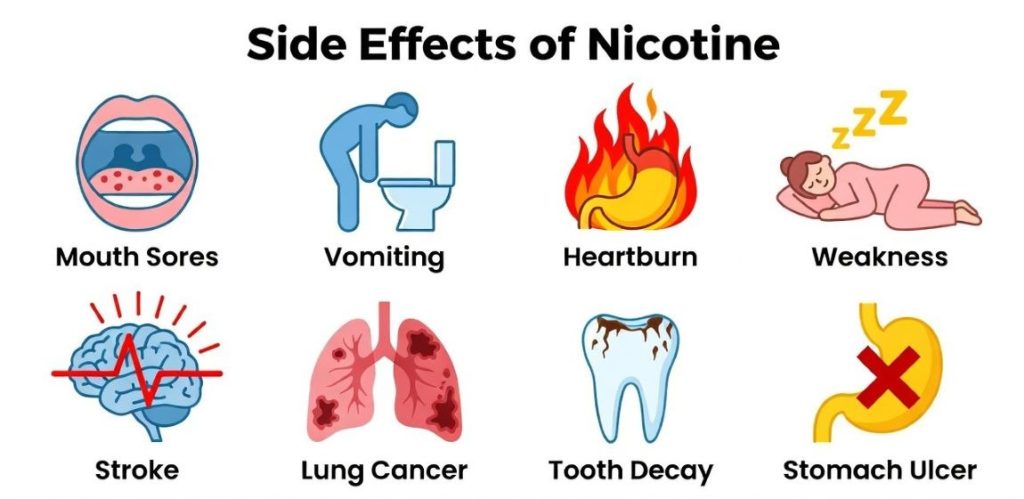
Nicotine symptoms can present during active use of nicotine, during nicotine poisoning, and during nicotine withdrawal. Identifying these symptoms can help identify the right treatment.
If a person uses nicotine, he or she may experience symptoms such as:
Symptoms During Nicotine Use
- Increased heart rate
- Elevated blood pressure
- Improved alertness
- Temporary relaxation
- Reduced appetite
- Some slight dizziness in new users
Although these effects are harmless, over time, chronic exposure to nicotine is also very stressful for the cardiovascular system.
Contact Solutions Healthcare
Battling with Drug and Alcohol Addition? Remember, you are not alone and we are here to help you!
Common Nicotine Withdrawal Symptoms
Common nicotine withdrawal symptoms include low mood, depression, insomnia, anxiety, and irritability.
Nicotine withdrawal symptoms can start hours after quitting.
Typical nicotine withdrawal symptoms are:
- Strong cravings
- Irritability
- Anxiety
- Restlessness
- Difficulty concentrating
- Mood swings
- Increased appetite
- Sleep problems
- Fatigue
- Depression
- Headaches
- Frustration
These symptoms are temporary, but are severe in the first few weeks.
What Causes Nicotine Withdrawal?
The brain can no longer do without nicotine. Temporarily, the levels of dopamine drop when there is drastically less or no more nicotine use, which creates uncomfortable physical and emotional symptoms.
This adjustment time is why it’s hard to quit and is also why the symptoms do get better as the brain slowly starts to heal.
How Long Do Nicotine Symptoms Last?
It takes time, which varies with each person.
First 24 Hours
- Cravings begin
- Irritability increases
- Restlessness develops
Days 2–3
Many of the symptoms of discomfort from the lack of nicotine peak at this point, such as:
- Strong cravings
- Anxiety
- Trouble sleeping
- Mood changes
Weeks 2–4
Withdrawal symptoms start to get better for most.
Months Later
However, cravings can persist from time to time, particularly in stressful moments, but often diminish over time and are more controllable.
100% Confidential Support is Available 24/7
No matter what you’re going through, you’re not alone. Our dedicated team is here to provide a safe, judgment-free space where you can talk openly and honestly. Whether you need emotional support, resources, or just someone to listen.
We’re here for you—completely confidential and always respectful of your privacy. Call us today!
Physical Effects of Long-Term Nicotine Use
Nicotine affects many systems of the body upon repeated use.
Heart Nicotine increases
- Blood pressure
- Heart rate
- Blood vessel constriction
- Increased likelihood of developing heart problems.
Brain
Continued use causes brain chemistry to change and makes dependence even more powerful.
Lungs
While nicotine isn’t directly to blame for smoking-related lung damage, every smoking session exposes users to thousands of harmful chemicals that can damage the lungs.
Digestive System
Nicotine can cause:
- Acid reflux
- Stomach discomfort
- Reduced appetite
What Are the Symptoms of Nicotine Poisoning?
An excessive amount of nicotine can lead to ‘nicotine poisoning.’
Symptoms may include:
- Nausea
- Vomiting
- Excessive sweating
- Salivation
- Stomach pain
- Rapid heartbeat
- Tremors
- Confusion
- Difficulty breathing
If the child has severe nicotine poisoning, you need immediate medical attention.
100% Confidential Support is Available 24/7
No matter what you’re going through, you’re not alone. Our dedicated team is here to provide a safe, judgment-free space where you can talk openly and honestly. Whether you need emotional support, resources, or just someone to listen.
We’re here for you—completely confidential and always respectful of your privacy. Call us today!
Nicotine Symptoms in Young Adults
The brain develops and may become dependent on nicotine more rapidly.
Common symptoms of nicotine are:
- Frequent cravings
- Irritability without vaping
- Reduced attention
- Mood changes
- Anxiety
- Increased dependence
The sooner we intervene, the better we will prevent lifelong addiction.
How Nicotine Dependence Is Diagnosed
The following are assessed by healthcare professionals:
How often do you use nicotine?
- Cravings
- Previous quit attempts
- Withdrawal symptoms
- Daily nicotine consumption
- History of physical and mental health
The accurate assessment will assist in developing an individual treatment plan.
Call Solutions Healthcare Today
Stopping tobacco is a daunting task; don’t do it on your own!
Call Solutions Healthcare today and begin your road to a healthier, smoke-free future.
Nicotine Symptoms and Treatment Options
A combination of evidence-based medications and behavioral support is the best treatment.
Behavioral Counseling
Counseling helps individuals:
- Understand triggers
- Develop healthier coping mechanisms
- Prevent relapse
- Manage stress
- Stay motivated
- Group counseling, individual therapy, and cognitive behavioral therapy (CBT) are all recommended.
Nicotine Replacement Therapy (NRT):
Nicotine replacement therapy is used to help people quit smoking.
Nicotine replacement products help relieve tobacco withdrawal symptoms while providing a controlled amount of nicotine but not tobacco smoke.
Examples include:
- Nicotine patches
- Nicotine gum
- Nicotine lozenges
- Nicotine inhalers
- Nicotine nasal sprays
These products help break the habit slowly and will help through the withdrawal process.
Prescription Medications
Medications to help reduce cravings and withdrawal symptoms may be prescribed by a healthcare provider. These medications are not the same as NRT and must only be administered by a medical professional.
Behavioral Lifestyle Changes
Adopting healthful behaviors helps during recovery to curb cravings and increase well-being.
Helpful strategies include:
- Regular exercise
- Drinking water
- Eating balanced meals
- Getting enough sleep
- Stress management
- Mindfulness practices
- Deep breathing exercises
Preventing Relapse
There is a risk of relapsing, and a relapse does not mean failure.
Some things that help to avoid relapse are:
- Identifying triggers
- Avoiding smoking environments
- Creating a support system
- Practicing stress management
- Celebrating milestones
- Continuing counseling
Multiple quit attempts are needed by many people to be successful.
Benefits of Quitting Nicotine
It’s never too late to quit nicotine. There are many benefits from quitting nicotine.
Improvements in the body begin very soon after quitting!
Benefits include:
- Lower heart rate
- Improved circulation
- Better lung function
- Reduced coughing
- Easier breathing
- Better sense of taste and smell
- Reduced risk of cardiovascular diseases
- Lower stroke risk
- Reduced cancer risk
- Increased energy
- Better overall health
As a smoker goes farther into the experience of giving up nicotine, they reap more health benefits.

When Should You Seek Professional Help?
Consider professional treatment if:
- Attempts to quit are unsuccessfully made.
- Withdrawal symptoms interfere with daily life.
- When quitting, you have gone through an extreme degree of anxiety or depression.
- Taking nicotine immediately after getting out of bed.
- You are continuing to smoke, even with significant health issues.
- With professional help, it is much more likely to make a successful quit.
Begin Your Recovery Today
The most important thing you can do for good health is to stop smoking!
Solutions Healthcare treatment specialists offer individualized care designed to treat physical and emotional nicotine addictions. This can be accomplished through counseling, evidence-based therapies, relapse prevention planning, and ongoing support, all of which can help you build a healthier, tobacco-free life.
As you determine you are ready to quit the deadly habit that has taken hold of your body and mind, give Solutions Healthcare a call to learn more about our drug and alcohol treatment facilities and begin the road to permanent recovery.
Disclaimer
This article is intended for educational purposes only and should not replace professional medical advice, diagnosis, or treatment. Always consult a qualified healthcare provider regarding nicotine dependence, withdrawal symptoms, or treatment options. If you suspect nicotine poisoning or experience severe symptoms, seek emergency medical care immediately.
Frequently Asked Questions
What are the main side effects of nicotine?
Common side effects include increased heart rate, higher blood pressure, dizziness, nausea, reduced appetite, and dependence. Long-term nicotine use contributes to cardiovascular problems and makes quitting difficult because it changes the brain’s reward system.
How long does a nicotine withdrawal last?
Withdrawal usually begins within several hours after the last nicotine use. Symptoms often peak during the first few days and gradually improve over two to four weeks, although occasional cravings may continue for several months.
What are the symptoms of too much nicotine?
Too much nicotine may cause nausea, vomiting, sweating, dizziness, stomach pain, rapid heartbeat, excessive salivation, tremors, and confusion. Severe nicotine poisoning can become life-threatening and requires immediate emergency medical care.
What are the treatments for nicotine?
Treatment typically includes behavioral counseling, nicotine replacement therapy, prescription medications, support groups, healthy lifestyle changes, and relapse prevention planning. Combining counseling with medication generally provides the highest long-term quit success rates.
What organ does nicotine damage?
Nicotine primarily affects the brain and cardiovascular system by altering brain chemistry, increasing heart rate, narrowing blood vessels, and raising blood pressure. Tobacco products containing nicotine also contribute to serious lung damage through harmful chemicals.
Is nicotine worse than caffeine?
Nicotine is generally considered more addictive than caffeine and carries significantly greater long-term health risks. While caffeine can cause dependence, nicotine strongly alters brain reward pathways and is associated with smoking-related diseases.
Is it okay to quit nicotine cold turkey?
Some people successfully quit without medication, but many experience intense withdrawal symptoms. Professional guidance, counseling, and nicotine replacement therapy often improve comfort and increase the likelihood of long-term success.
How long until nicotine is 100% out of your system?
Most nicotine leaves the body within one to three days, although cravings and withdrawal symptoms may continue longer because the brain needs time to adjust after nicotine dependence.
Can your lungs 100% recover from smoking?
Lung healing depends on how long and how heavily someone smoked. Many people experience significant improvements in breathing and lung function after quitting, although severe or permanent damage may not fully reverse.
References
- National Center for Biotechnology Information (NCBI). Nicotine Addiction. https://www.ncbi.nlm.nih.gov/books/NBK63955/
- U.S. Centers for Disease Control and Prevention (CDC). Smoking and Tobacco Use. https://www.cdc.gov/tobacco/
- National Cancer Institute. Smokefree. https://smokefree.gov/
- U.S. National Institutes of Health (NIH). https://www.nih.gov/