
In This Blog
- What alcohol does in the body
- Immediate brain and behavior changes
- Physical effects within hours
- Effects on coordination and decision-making
- Digestive and hydration impacts
- Sleep and mood changes
- Risks of short-term misuse
- Factors influencing alcohol effects
- When short-term use becomes a concern
- Support options and informed next steps
Within a few minutes, the body is affected by alcohol, and this effect is mediated by several systems. Effects vary depending on the amount of consumption, body composition, and overall health. Short-term effects may involve mood changes, coordination, judgment, and physical reactions like heart rate or hydration.
Such immediate effects are applicable to knowing how to make informed choices about the use of alcohol. Some of these effects may appear mild, but some may have an impact on the safety especially in terms of driving, employment, and making complex decisions. It is an instructional manual on the influence of alcohol on the body and behavior in the short term using evidence based information.
Expert Advice: Alcohol impacts cognition and coordination quickly, even at low consumption levels.
FACT: Alcohol absorption begins rapidly, affecting brain function within minutes.
What Happens to Your Body When You Drink Alcohol?
The main routes of absorption of alcohol are the stomach and small intestine. When in the blood, it diffuses to the brain and other organs.
The liver processes most alcohol, but only at a fixed rate. This means excess alcohol continues circulating in the body, contributing to its short-term effects.
Alcohol Absorption Timeline
Stage | Time After Consumption | What Happens |
Initial absorption | 5–10 minutes | Alcohol enters the bloodstream |
Peak levels | 30–60 minutes | Effects become noticeable |
Processing phase | 1–3 hours | Liver begins breakdown |
Elimination | Several hours | Alcohol gradually cleared |
How Does Alcohol Affect Your Brain and Behavior Right Away?
Alcohol directly influences neurotransmitters that regulate mood, decision-making, and inhibition.
Common cognitive and behavioral effects
- Reduced inhibition
- Slower reaction time
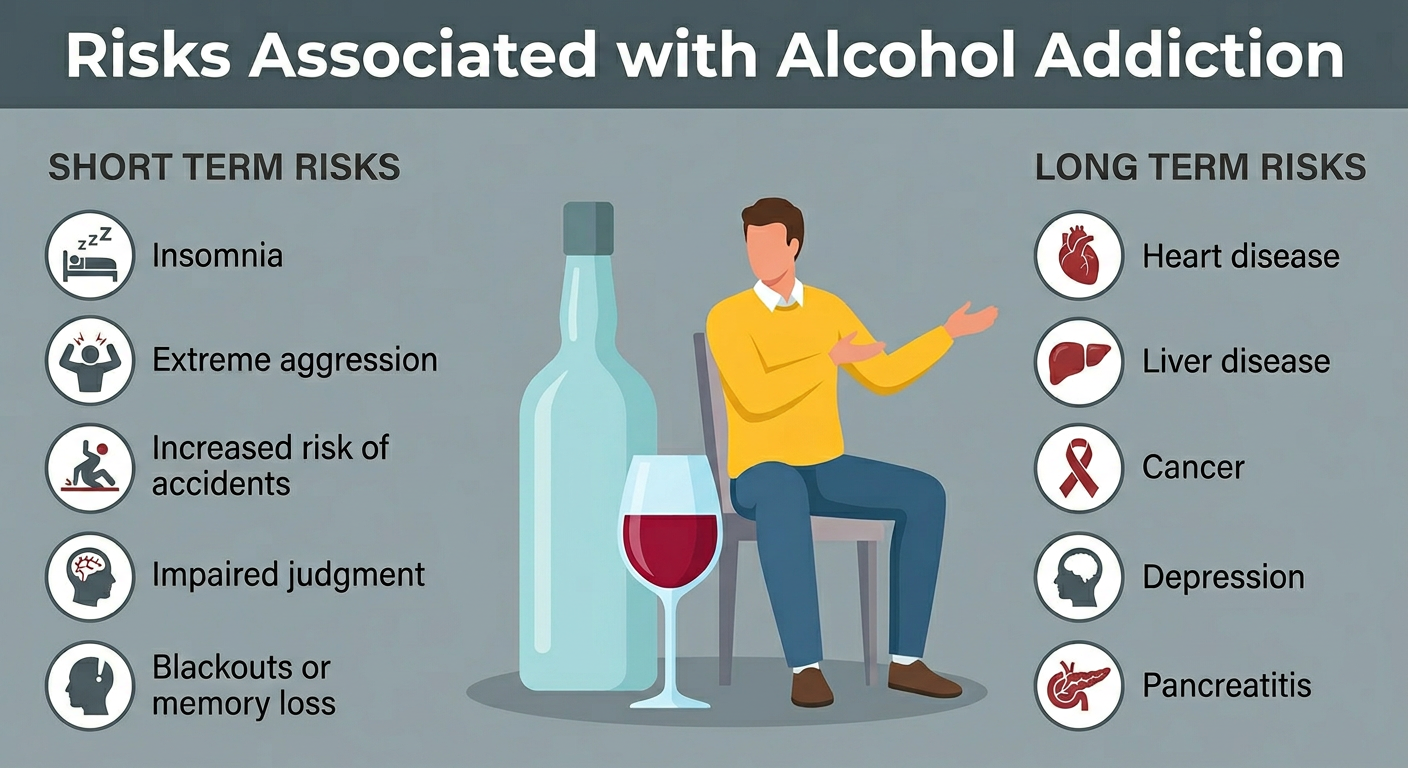
- Impaired judgment
- Changes in mood, including euphoria or irritability
These effects may appear subtle at first, but can escalate quickly with increased intake.
Impact on decision-making
Alcohol affects the prefrontal cortex, which plays a role in planning and impulse control. As a result, individuals may take risks they would typically avoid.
What Are the Short-Term Physical Effects of Alcohol?
Alcohol affects multiple physical systems shortly after consumption.
Common short-term physical responses
- Increased heart rate
- Flushed skin
- Mild dehydration
- Changes in body temperature perception
These responses depend on dosage and individual tolerance.
Short-Term Physical Effects by System
Body System | Short-Term Effect | Description |
Nervous system | Slowed signaling | Reduced coordination and alertness |
Cardiovascular | Increased heart rate | Temporary changes in circulation |
Digestive | Irritation | Stomach lining irritation |
Hydration | Fluid imbalance | Increased urination |
How Does Alcohol Affect Your Coordination and Motor Skills?
Coordination is one of the earliest abilities affected by alcohol.
Key impacts
- Reduced balance
- Slower reflexes
- Impaired hand-eye coordination
Even small amounts can affect activities that require precision, such as driving or operating machinery.
Why coordination declines
Alcohol disrupts communication between the brain and muscles. This leads to delayed responses and reduced physical control.
How Does Alcohol Affect Your Digestion and Hydration?
Alcohol irritates the digestive tract and affects fluid balance.
Digestive effects
- Nausea or discomfort
- Increased acid production
- Temporary appetite changes
Hydration effects
Alcohol increases urine production, leading to fluid loss. This contributes to symptoms like thirst, headaches, and fatigue.
How Does Alcohol Affect Your Sleep and Mood?
Alcohol may initially promote relaxation, but it disrupts normal sleep cycles.
Sleep-related effects
- Reduced REM sleep
- Frequent waking
- Lower sleep quality
Mood-related changes
Mood can fluctuate depending on dosage and individual response. Some people experience temporary relaxation, while others may feel anxiety or irritability.
Ready to take the next step? Call Solutions Healthcare and let us help you find the right support for your needs.
How Do You Recognize Early Signs of Alcohol Misuse?
Early awareness can help individuals make informed decisions about alcohol use.
Patterns that may indicate concern
- Drinking to cope with stress
- Difficulty limiting intake
- Continued use despite negative outcomes
Addressing these patterns early can help reduce long-term risks.
How Do the Short-Term Effects of Alcohol Affect Work and Social Life?
Alcohol-related impairment can affect performance and safety in various environments.
Social settings
- Miscommunication
- Reduced awareness of surroundings
Work-related risks
- Decreased productivity
- Safety hazards in physical tasks
Understanding these risks supports responsible choices.
How Is Occasional Drinking Different From Frequent Alcohol Use?
Short-term effects may vary depending on how often alcohol is consumed.
Occasional use
Effects are typically temporary and dependent on intake.
Frequent use
Repeated exposure may increase tolerance, potentially masking impairment while still affecting coordination and judgment.
Why Do the Short-Term Effects of Alcohol Matter?
Short-term effects are not isolated; they can influence behavior, safety, and decision-making.
Understanding these effects provides a foundation for evaluating personal habits and making informed choices.
Solutions Healthcare provides professional support programs designed to address alcohol use through coordinated care, education, and ongoing guidance tailored to individual needs.
Medical Disclaimer: This article is for informational purposes only and is not a substitute for professional medical advice.
Concerned about your alcohol use? Call Solutions Healthcare and we’ll help you understand your options.
Key Takeaways
- Alcohol affects brain function within minutes of consumption
- Short-term effects include impaired judgment and coordination
- Physical responses vary based on individual factors
- Hydration and food influence absorption but do not eliminate effects
- Short-term risks include accidents and decision-making errors
- Repeated short-term patterns may indicate broader concerns
FAQs
What are the immediate effects of alcohol consumption?
Alcohol can quickly affect brain function, leading to reduced inhibition, slower reaction times, and altered mood. Physical effects may include increased heart rate and mild dehydration. These changes vary depending on the amount consumed, body composition, and whether food was eaten beforehand, influencing overall short-term impact significantly.
How does alcohol affect coordination and balance?
Alcohol interferes with communication between the brain and muscles, leading to reduced balance and slower reflexes. This impairment can occur even at low intake levels. As consumption increases, coordination worsens, making activities like driving or handling machinery unsafe due to delayed responses and reduced physical control.
Can short-term alcohol use affect sleep quality?
Yes, alcohol can disrupt normal sleep patterns despite initially promoting relaxation. It reduces REM sleep, increases nighttime awakenings, and lowers overall sleep quality. This can lead to fatigue and reduced cognitive performance the following day, even if total sleep duration appears sufficient.
What factors influence alcohol’s short-term effects most?
Key factors include body weight, metabolism rate, age, food intake, and frequency of alcohol use. These variables determine how quickly alcohol is absorbed and processed. As a result, individuals may experience different levels of impairment even when consuming similar amounts in comparable situations.
When should short-term alcohol effects raise concern?
Short-term effects may become concerning when they lead to repeated risky situations, difficulty controlling intake, or noticeable behavioral changes. Increasing tolerance or reliance on alcohol for coping may also indicate a need for evaluation and professional support to better understand and manage usage patterns.
References
- https://www.mayoclinic.org/drugs-supplements/oxycodone-oral-route/description/drg-20074193
- https://www.cdc.gov/stopoverdose/stigma/index.html
- https://www.nimh.nih.gov/health/topics/substance-use-and-mental-health
- https://www.drugabuse.gov/publications/drugs-brains-behavior-science-addiction/treatment-recovery