
In This Blog:
- Standard timelines for residential programs
- Factors that determine individual stay length
- The role of physical stabilization in timing
- Benefits of extended-duration support
- Transitioning through different levels of care
- How insurance influences the recovery window
- Identifying the right timeline for your needs
The decision to join a professional program is an important choice in life and the most common question concerns the time dedication. Even though most people want a fast fix, it is true that the length of a stay is extremely personalized. Professional programs are crafted to tackle the biological and psychological intricacies of substance use that hardly fits in a strict calendar.
Mean length of stay is generally calculated in 30-day blocks, although it is not a set of rules. Some people could be more stable in a shorter span, and others who will greatly appreciate a longer and more engaging experience.
This guide examines the typical schedules of contemporary recovery environments. We can learn more about the journey ahead by knowing how these windows are affected by various factors, including the intensity of use, comorbidity of other health requirements, and individual progress.
Expert Advice: Longer stays often provide a more solid foundation for lasting lifestyle changes.
How Long Do Most Drug Rehab Programs Last?
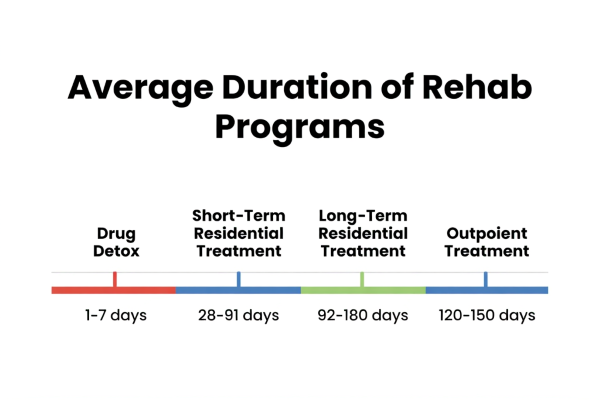
Although all of them are individual, the majority of facilities use systematic periods to assist in arranging the stages of recovery. There are certain milestones provided by these windows, including physical clearing, behavioral therapy, and aftercare planning.
- 30-Day Programs: 30-day programs provide a focused environment for initial stabilization and basic education.
- 60-Day Programs: 60-day programs are a middle ground that offers more time to practice new skills and address deeper psychological triggers.
- 90-Day Programs: 90-day programs are often considered the gold standard, this duration allows for significant brain healing and habit formation.
FACT: Most professional programs offer 30, 60, or 90-day residential options.
First Days of Drug Rehab
The first few days of any stay are dedicated to physical stabilization. During this time, the body clears substances under professional oversight to ensure safety and comfort.
- Physical Clearing: Typically lasts between 3 and 7 days depending on the substance.
- Monitoring: Professionals track vital signs and manage physical reactions around the clock.
- Transition: Once stable, the individual moves into the more intensive therapeutic phase.
100% Confidential Support is Available 24/7
No matter what you’re going through, you’re not alone. Our dedicated team is here to provide a safe, judgment-free space where you can talk openly and honestly. Whether you need emotional support, resources, or just someone to listen.
We’re here for you—completely confidential and always respectful of your privacy. Call us today!
Why Does Drug Rehab Last Longer for Some People?
The “average” stay is a starting point, but personal variables often lead to adjustments in the timeline.
- Severity of Use: Long-term or heavy use may require more time for the body and brain to stabilize.
- Co-occurring Conditions: Co-occurring conditions address mental health challenges alongside substance use often extend the stay.
- Progress Rate: Some individuals may need extra time to process certain therapeutic milestones.
Contact Solutions Healthcare
Battling with Drug and Alcohol Addition? Remember, you are not alone and we are here to help you!
How Does Your Body Heal During Drug Rehab?
The brain requires time to physically heal from the impact of substances. Neurotransmitters like dopamine must return to baseline levels, which is a biological process that cannot be rushed.
- Metabolism: Unique body chemistry affects how quickly the system clears chemicals.
- Organ Health: The efficiency of the liver and kidneys impacts the overall recovery rate.
- Age: Younger systems may sometimes stabilize faster than older ones.
Program Type | Typical Focus | Average Length |
Short-term Residential | Stabilization & Education | 28 to 30 Days |
Long-term Residential | Behavioral Change | 60 to 90 Days |
Extended Care | Community Integration | 90+ Days |
Why Do Longer Drug Rehab Stays Lead to Better Outcomes?
Research consistently shows that longer periods of support are associated with higher rates of long-term success. This is because extended stays allow for the “newness” of recovery to wear off while still in a protected environment.
- Habit Formation: It takes time to replace old patterns with healthy routines.
- Social Skills: Group work provides a space to practice new ways of interacting.
- Confidence: Leaving after 90 days often feels more secure than leaving after 30.
Have questions about how long drug rehab takes? Call Solutions Healthcare at (386) 866-3600 and we’ll help you figure out the right timeline for you.
What Happens After You Finish Drug Rehab?
Many individuals do not simply leave a program and return to “normal” life; they step down through different levels of intensity.
- Partial Hospitalization: Partial hospitalization is a high level of support during the day while living in a supportive environment.
- Intensive Outpatient: Intensive outpatient provides continuing therapy while beginning to reintegrate into daily responsibilities.
- Aftercare: Ongoing weekly check-ins and support groups to maintain stability.
100% Confidential Support is Available 24/7
No matter what you’re going through, you’re not alone. Our dedicated team is here to provide a safe, judgment-free space where you can talk openly and honestly. Whether you need emotional support, resources, or just someone to listen.
We’re here for you—completely confidential and always respectful of your privacy. Call us today!
How Does Insurance Affect How Long You Stay in Drug Rehab?
While clinical needs are the priority, administrative factors like insurance coverage can influence the length of a stay.
- Authorizations: Insurance companies often approve stays in short increments.
- Medical Necessity: Documentation must show that a high level of care is still required.
- Verification: Staff members advocate for the individual to ensure they receive the full time needed.
What Are Step-Down Programs After Drug Rehab?
Many individuals do not simply leave a residential program and return to their previous environment; they often transition through different levels of intensity. This “step-down” approach ensures that the person remains supported as they begin to reintegrate into daily life.
- Partial Hospitalization: Provides a high level of daytime support while the individual lives in a supportive setting.
- Intensive Outpatient: Intensive outpatient allows for continued therapy while the individual begins to handle work or school responsibilities.
- General Outpatient: Consists of weekly check-ins and support groups to maintain long-term stability and health.
100% Confidential Support is Available 24/7
No matter what you’re going through, you’re not alone. Our dedicated team is here to provide a safe, judgment-free space where you can talk openly and honestly. Whether you need emotional support, resources, or just someone to listen.
We’re here for you—completely confidential and always respectful of your privacy. Call us today!
What is the Difference Between 30, 60, and 90-Day Drug Rehab?
The duration of a stay is often tied to specific clinical milestones required for long-term health.
Program Length | Primary Clinical Focus | Expected Outcome |
Short-Term (30 Days) | Physical stabilization and initial education | Safe clearance of substances and basic coping tools |
Moderate (60 Days) | Behavioral change and deep therapeutic work | Identification of triggers and habit modification |
Long-Term (90+ Days) | Habit formation and community integration | Significant brain healing and established support networks |
How Does Family Support Affect Your Drug Rehab Timeline?
The involvement of loved ones can sometimes influence the timeline. If a home environment is not yet stable, a longer stay might be recommended to ensure the individual is strong enough to handle outside pressures.
- Family Therapy: Mending relationships takes time and professional mediation.
- Boundary Setting: Learning how to interact with others in a healthy way.
- Environment: A longer stay provides more time to prepare the home for a successful return.
Recovery Phase | Primary Goal | Estimated Time |
Stabilization | Physical Safety | 3 to 10 Days |
Intensive Therapy | Addressing Root Causes | 3 to 6 Weeks |
Aftercare Planning | Transition Prep | 1 to 2 Weeks |

What Can Make Your Drug Rehab Stay Shorter?
In some instances, a stay might be shorter than the average due to specific circumstances or rapid progress.
- Step-Down Ready: An individual may show rapid stability and be ready for outpatient care.
- Work/Life Commitments: Some choose shorter, intensive programs to return to essential duties.
- Prior Progress: Those who have been in a program before may require a shorter “tune-up” stay.
Ready to take the next step? Call Solutions Healthcare at (386) 866-3600 and let us help you find a drug rehab program that fits your needs.
What Does a Typical Day in Drug Rehab Look Like?
A key component of the experience is following a consistent daily structure designed to help the brain relearn how to function in a productive and organized way.
- Morning Routines: Starting the day with intention, often including self-care or mindfulness activities.
- Scheduled Sessions: Dedicating specific blocks of time to individual therapy, group work, or educational workshops.
- Rest and Reflection: Allowing the mind time to process the day’s progress and prepare for the next stage.
Why is Staying the Full Length of Drug Rehab Worth It?
Ultimately, the length of a stay is about quality, not just quantity. Whether you stay for 30 days or 90, the most important factor is the depth of the work performed and the strength of the aftercare plan created.
Investing the necessary time now can save years of future distress. By following professional recommendations and staying for the full duration of a program, you provide yourself with the best possible chance at a healthy and stable future.
Solutions Healthcare offers professional programs focused on delivering evidence-informed care through every phase of the recovery journey. Our team provides a safe and supportive environment where individuals can focus on stabilization, therapy, and long-term wellness. We are dedicated to helping you build a sustainable path toward a healthier and more fulfilling life.
Medical Disclaimer: This article is for informational purposes only and is not a substitute for professional medical advice.
Key Takeaways
- Average residential stays are typically 30, 60, or 90 days.
- The first phase involves physical stabilization, which takes about a week.
- Individual progress, health history, and severity of use determine the final timeline.
- Longer stays are statistically linked to better long-term outcomes.
- Aftercare planning is a vital part of the final week of any stay.
FAQs
Why is 90 days often recommended?
A 90-day window is often suggested because it provides the brain with sufficient time to begin the physical process of healing and habit formation. This longer duration allows individuals to practice healthy behaviors in a protected environment before returning to daily stressors.
Will insurance cover a longer stay?
Insurance coverage depends on your specific policy and the established medical necessity of the care. Facilities work closely with insurance providers to provide the documentation needed to authorize the appropriate length of stay for your unique situation.
Can I leave early if I feel better?
While you have the right to leave, it is highly discouraged, as feeling better physically is only the first step. The psychological work of identifying triggers and building coping skills often takes much longer than the initial physical stabilization phase.
What happens if I need more time?
If you and your team determine that more time is needed, your stay can often be extended. The goal is to ensure you are fully prepared for the transition, so the plan is regularly reviewed and adjusted based on your progress.
Does the timeline include detox?
In most integrated programs, the physical stabilization phase is considered the first part of the overall stay. This ensures a seamless transition from medical oversight into the therapeutic interventions needed for long-term health.