
In This Blog
Discover what Kratom is and how it’s made
Learn about its uses, effects, and potential risks
Understand Kratom’s impact on the brain and body
Explore legal status and safety warnings
Get insights on treatment options and safe recovery
What is the Drug Kratom?
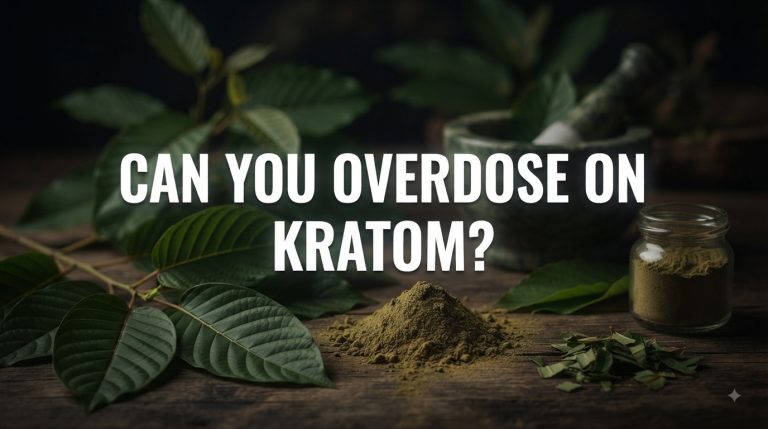
The kratom (Mitragyna speciosa) is a tree native to Southeast Asia, but is primarily located in Thailand, Indonesia, and Malaysia. It also includes compounds in its leaves that may be stimulant or opioid like and this is determined by the dosage. Traditionally, it is a centuries-old analgesic, stimulant, and mood-altering drug.
Kratom has in recent years been envisioned as an herbal supplement within the U.S as a pain reliever, anxiety reliever, and opioid withdrawal, although it is a controversial treatment in terms of safety and efficacy.
What is the Drug Kratom Made Of?
The most active Kratom compounds are mitragynine and 7-hydroxymitragynine, both of which are alkaloids and bind with opioid receptors in the brain.
- Kratom is a stimulant; at low dosages, it boosts alertness, energy, and sociability.
- At large dosages, it has sedative and analgesic effects, which are similar to opioids.
But Kratom does not belong to the opioid group, although it binds to the same receptors. It comes in powdered form, capsule, liquid extract, or dried leaf to prepare tea.
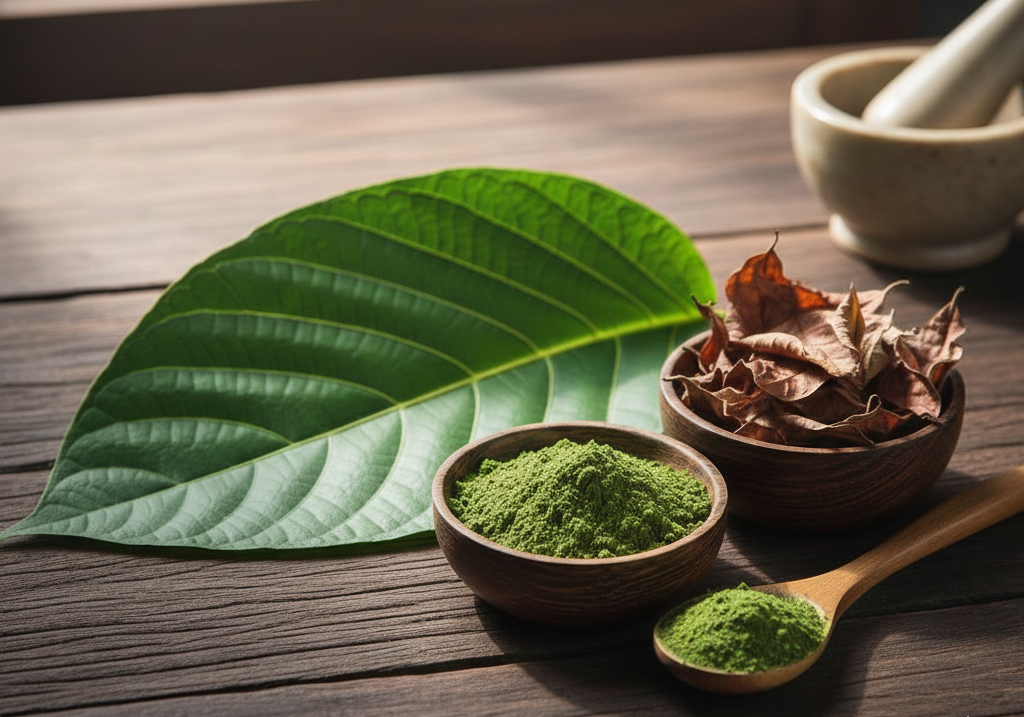
What is the Drug Kratom Used For?
There are various reasons why people can use kratom:
- Back pain or chronic pain.
- Boosting energy and focus
- Calming anxiety and depression.
- Reducing the symptoms of withdrawal from opioids or alcohol
Even though some such effects are possible and potentially positive, Kratom is not FDA-approved to be used in any medical context, and self-medication can be fatal.
How Does Kratom Affect the Body?
Kratom is a stimulant, and it has various receptors in the brain, mostly those of serotonin, dopamine, and norepinephrine that are involved in mood and stress response.
Its opioid-like substances will transmit the message to its receptors to decrease the perception of pain and anxiety, and its stimulant properties can make a person more alert and awake.
At high doses or with prolonged use, Kratom may lead to:
- Nausea or vomiting
- Constipation
- Liver toxicity
- Addiction and withdrawal process
FACTS – In 2022, the CDC reported that over 1.7 million Americans had tried Kratom at least once.
Kratom vs. Other Substances: Effects and Risks
Substance | Primary Effect | Dependency Risk | Legality (U.S.) | Common Use |
Kratom | Pain relief, mood lift | Moderate | Legal in most states | Herbal supplement |
Opioids | Strong pain relief | High | Controlled substance | Medical pain management |
Caffeine | Energy boost | Low | Fully legal | Stimulant |
CBD | Relaxation, anti-anxiety | Low | Legal (hemp-based) | Anxiety, inflammation |
This table highlights how Kratom bridges a gap — offering pain relief and stimulation, but with significant risks of dependency and misuse.
What is a Kratom Drug Test?
Though the drug never appears in the routine drug screening, specialized tests can identify its active components (mitragynine and 7-hydroxymitragynine) as long as 7 days after taking.
The use of Kratom may also interfere with the treatment process in places of work or addiction recovery, as testing may be ordered.
Kratom Side Effects and Safety Concerns
Although the reaction of people is that they become relieved and active under Kratom, the side effects of the drug exceed its effects when an individual is under normal or high doses.
Common side effects include:
- Drowsiness or dizziness
- Dry mouth
- Muscle tremors
- Itching
- Increased heart rate
- Liver injury
The older patients who are taking them over the long term have greater chances of experiencing the withdrawal symptoms associated with opioids, and it might also include irritability, craving, and insomnia.
Expert’s Advice – Use Kratom with caution—its unregulated nature and opioid-like effects can lead to dependence and serious health risks.
Special Precautions and Warnings
Some populations should not use Kratom because it may be dangerous to their health:
- Pregnant women or breastfeeding women – the risk of neonatal withdrawal.
- Individuals affected with heart diseases can quicken their heart rate.
- There is impaired liver functioning that can be experienced by patients who have liver disease.
- People with prescribed drug intake – risk of drug interaction.
Fact – The FDA had made several warnings to avoid the use of Kratom as a medical treatment because of unregulated purity and overdose.
Is Kratom Legal?
Kratom is permitted in some areas but not in others:
- Legal in most U.S. states
- Illegal in Alabama, Indiana, Rhode Island, Vermont, Wisconsin, and Arkansas.
- Regulated by the local regulations of some cities and counties.
Kratom is on the Drug of Concern list of the DEA due to its potential for abuse, yet it is not federally scheduled as of 2025. Countries like Australia, Malaysia, and the U.K. have completely banned the consumption and or possession of Kratom.

Find Treatment Options
In case you are having some problems with Kratom dependence or one of your friends is struggling, it is essential to seek help at the earliest stage.
Treatment normally includes:
- Management of withdrawal: medical detox.
- Cognitive-behavioral therapy (CBT) is a result of addiction.
- Long-term recovery support group and counseling.
Key Takeaways
- Kratom is a natural stimulant and opioid like preparation.
- It is used to alleviate pain, anxiety, and generate energy, but on the other hand is also toxic in causing addiction.
- Not approved by the FDA and can have very serious side effects, including liver damage or withdrawal.
- Status Law Legal: In other states and countries, illegal.
- Better mental health and full recovery are safe in the hands of a professional
FAQs
1. What do people use Kratom for?
Kratom is also referred to in the herbal market of the U.S. herbal market as Thom, ketum, or Biak-Biak, and kakuam or Ithang in Southeast Asia. These names are varied depending on the place where the product will be used and the usage of the product (powder, capsule, or tea).
2. What is the street name for Kratom?
In Southeast Asia Kratom is also known as Thom, Ketum or Biak-Biak, and Kakuam or Ithang in the herbal market of the U.S. herbal market. These names differ according to the place and how the product will be used (powder, capsule, or tea).
3. What does Kratom do to the brain and body?
Kratom is an opioid receptor that is a self-acting stimulant of analgesia, euphoria, and sedation in large doses. It may serve as a low-dose stimulant and get more concentrated and jovial. The extended usage can restructure the brain chemistry and bring addiction and withdrawal effects.
4. What is in Kratom that makes you feel good?
Mitragynine and 7-hydroxymitragynine are alkaloids that are opioid receptor agonists and analgesics with slight euphoric effects. This touch raises dopamine and serotonin, which in the short term improve the mood and well-being of a person, but at a risk.
5. How long does a Kratom high last?
Kratom has a duration of action of 2-6 hours that varies according to the dose, weight, and tolerance. In big amounts, it causes one to become sleepy, and in little amounts causes one to be alert and stimulated. The outcome of excessive consumption is the emergence of hangover effects..
6. What are the long-term effects of Kratom?
It can also cause long-term use of Kratom to cause tolerance, addiction, and liver damage, especially to the liver. Withdrawal symptoms that could be experienced by the users include sleeplessness, muscle aches, and anxiety. It is also capable of interfering with hormones and brain performance in the long run.
7. Does Kratom come in gummies?
Yes. Gummies or edibles, Kratom is becoming more available, and the drug is easier to consume. However, the change in dose and lack no control may make such products rather dangerous and of uncontrolled strength and delayed side effects.
8. Is Kratom good for illness?
The research studies available are few to indicate that Kratom is a safe drug in controlling diseases. It is said to cure chronic pains or anxiety, but the FDA does not recommend its use because it has not yet been clinically proven, and it also has side effects that are harmful to the user.
9. What is the strongest Kratom?
Other strains are regarded as the most potent ones, such as the Maeng Da and Red Bali, because they produce good analgesia and sedation. Nevertheless, potency too is a predisposing factor to side effects such as dependency brought about by a rise in dosages and respiratory depression.
10. How common is Kratom use?
In 2023, a National Survey on Drug Use and Health estimated that more than 2 million adults in the United States had used Kratom in the past year as self-treatment of pain, anxiety, or opioid withdrawal, although a small proportion of the users had consulted medical advice.